
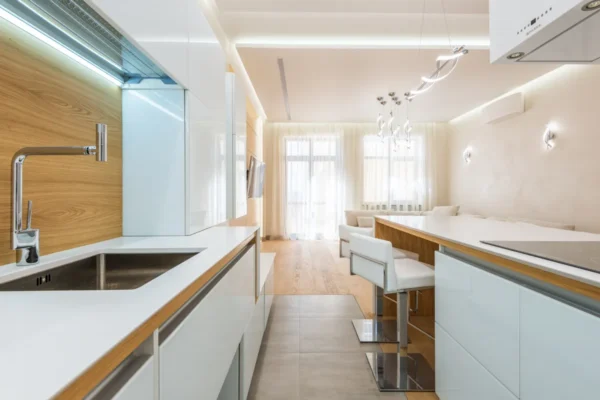
Not every kitchen surface can handle the same cleaner. What works safely on stainless steel can pit or discolor it if used the wrong way, and a cleaner that's fine on sealed granite can dull unsealed marble. This kitchen surface cleaning compatibility chart is a quick reference for matching the right cleaning approach to the right material, room by room, appliance by appliance. It's part of Kitchen Cleaning Reference & Charts, built to sit alongside the other charts and guides that cover kitchen care in more detail.
Use this chart as a starting point, not a final word. Manufacturer instructions for a specific countertop, sink, or appliance should always take priority over general guidance, since finishes, sealants, and coatings vary between brands and even between product lines.
How to Use This Kitchen Surface Cleaning Compatibility Chart
Before reaching for any cleaner, confirm what material you're actually working with. Some surfaces look alike but respond very differently. A laminate countertop and a quartz countertop, for example, can appear similar but have different tolerance for heat, abrasion, and chemical exposure.
Once you know the material, check the relevant section below for what's generally safe, what to avoid, and any specific cautions. If a surface is unfamiliar, sealed, or has a factory finish you're unsure about, test any new cleaner on a small, hidden spot first and wait a few minutes to see how it reacts before treating the whole surface.
Tools That Work Across Most Kitchen Surfaces
A small set of tools covers the majority of kitchen cleaning tasks without risking scratches:
- Soft microfiber cloths for wiping and polishing
- A non-abrasive sponge for daily cleaning
- A soft-bristle brush for grout lines and textured surfaces
- A plastic scraper for cooked-on spills (never metal on glass or coated surfaces)
- A labeled spray bottle for diluted cleaning solutions
For exact dilution ratios when using bleach, vinegar, or other concentrated cleaners, our Kitchen Cleaning Product Dilution Ratio Chart breaks down safe mixing amounts for common kitchen cleaning tasks.
Countertops
Countertop material has the biggest impact on which cleaners are safe, since many stone and engineered surfaces react poorly to acids or abrasives.
|
Material |
Safe to Use |
Avoid |
Notes |
|
Granite (sealed) |
Warm water, mild dish soap, pH-neutral stone cleaner |
Vinegar, lemon juice, bleach |
Acids can wear down sealant over time |
|
Marble |
pH-neutral stone cleaner only |
Any acidic cleaner, vinegar, citrus |
Marble etches easily and shows dulling quickly |
|
Quartz (engineered) |
Mild soap, quartz-specific cleaner |
Abrasive pads, strong solvents |
Resin finish can dull with harsh scrubbing |
|
Laminate |
Mild soap, diluted all-purpose cleaner |
Abrasive powders, scouring pads |
Scratches don't buff out on laminate |
|
Butcher block / wood |
Mild soap, food-safe mineral oil |
Bleach, soaking in water |
Deeper wood conditioning is covered in Surface & Material Cleaning guides |
|
Stainless steel |
Mild soap, diluted vinegar for spots |
Bleach, steel wool |
Wipe with the grain to avoid streaking |
Stone countertops in particular depend heavily on whether they're sealed and how recently, so if in doubt, a plain pH-neutral cleaner is the safer default over anything acidic.
Sinks
Sink material affects both what removes buildup safely and what can permanently dull the finish.
|
Material |
Safe to Use |
Avoid |
Notes |
|
Stainless steel |
Mild soap, baking soda paste, diluted vinegar |
Bleach, steel wool |
Bleach can cause pitting with repeated use |
|
Enamel or porcelain |
Mild soap, baking soda |
Abrasive powders, harsh acids |
Abrasives dull the glossy glaze |
|
Composite granite |
Mild soap |
Bleach, abrasive pads |
Bleach can fade the matte finish |
|
Fireclay |
Mild soap |
Abrasive scrubbers |
Similar care to porcelain |
|
Copper |
Mild soap |
Vinegar, acidic cleaners |
Acids strip the natural patina |
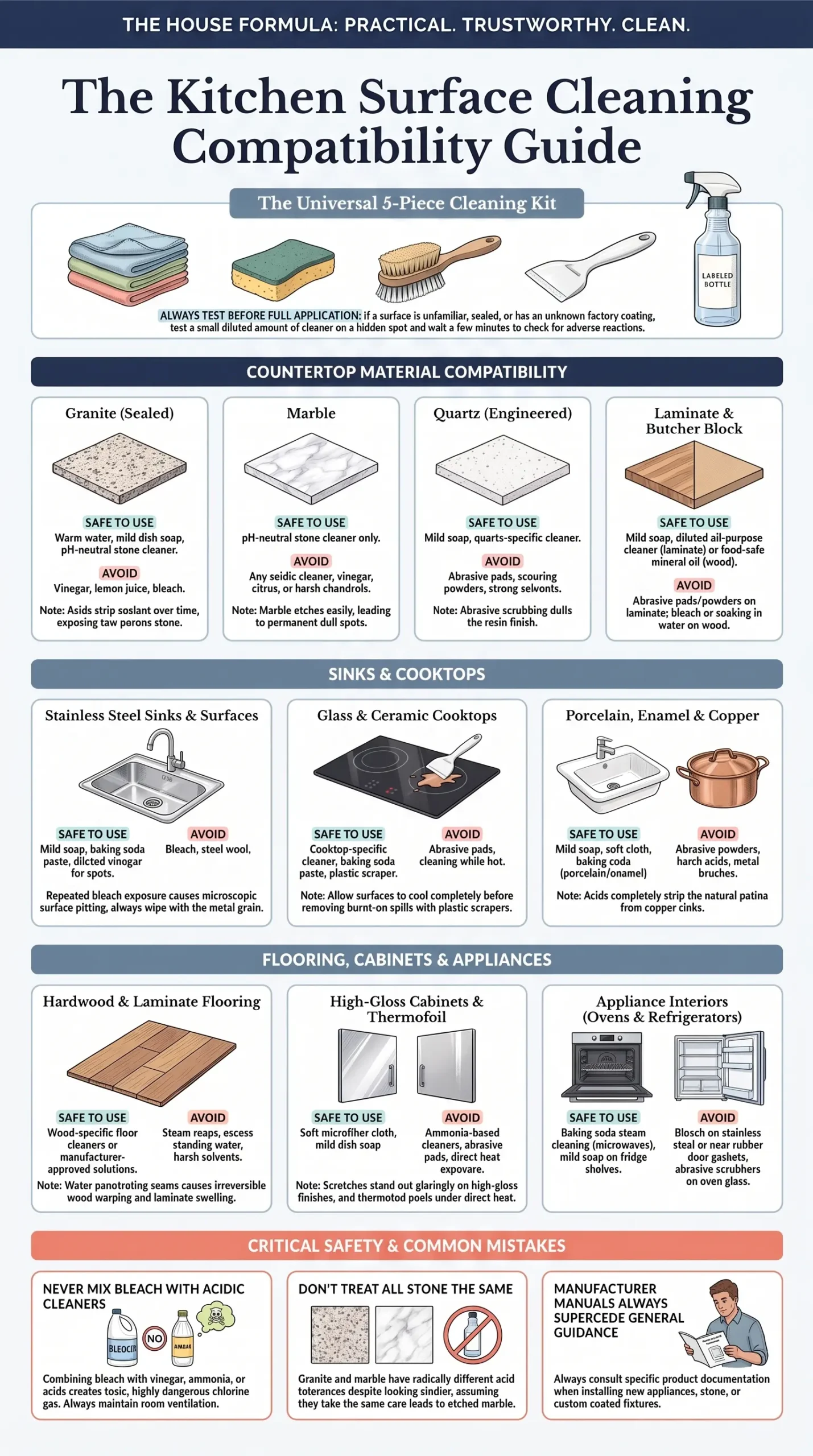
Photo Credit: Hobby Guidebook Editorial
Cabinets
Cabinet finish matters more than the wood underneath, since most damage happens at the surface coating rather than the material itself.
|
Finish Type |
Safe to Use |
Avoid |
Notes |
|
Painted wood |
Mild soap, soft cloth |
Abrasive cleaners, excess water |
Ammonia-based glass cleaners can dull paint |
|
Stained and sealed wood |
Wood-appropriate cleaner or mild soap |
Excess water, soaking |
Dry immediately after wiping |
|
Laminate or thermofoil |
Mild soap |
Abrasive pads, high heat exposure |
Thermofoil can peel near heat sources |
|
High-gloss or lacquer |
Microfiber cloth, mild soap |
Abrasive pads |
Scratches are highly visible on glossy finishes |
Stovetops and Cooktops
Cooktop material determines whether you're cleaning while cool, using a scraper, or avoiding certain cleaners entirely.
|
Type |
Safe to Use |
Avoid |
Notes |
|
Glass or ceramic cooktop |
Cooktop-specific cleaner, baking soda paste, plastic scraper |
Abrasive pads, cleaning while hot |
Let the surface cool before scraping spills |
|
Porcelain-coated grates |
Mild soap soak, soft brush |
Abrasive metal brushes |
Metal brushes chip the coating |
|
Uncoated cast iron grates |
Light soap, dry and reseason |
Soaking, dishwasher |
Soaking encourages rust |
|
Induction cooktop |
Cooktop-specific cleaner |
Abrasive pads |
Same glass surface care as ceramic cooktops |
Ovens
Oven interiors and exteriors often need different approaches, and self-cleaning cycles change what's needed beforehand.
|
Area |
Safe to Use |
Avoid |
Notes |
|
Interior (manual clean) |
Oven-safe degreaser, baking soda paste |
Bleach, abrasive pads on glass door |
Ventilate the kitchen during heavy degreasing |
|
Interior (self-cleaning models) |
Manufacturer-directed cycle |
Additional chemical cleaners during the cycle |
Follow the appliance manual for cycle length |
|
Oven door glass |
Glass cleaner, soft cloth |
Abrasive scrubbers |
Scratches on oven glass can't be buffed out |
|
Exterior (stainless or painted) |
Match to appliance finish table above |
Bleach on stainless |
See Appliance Exteriors guidance under Refrigerators |
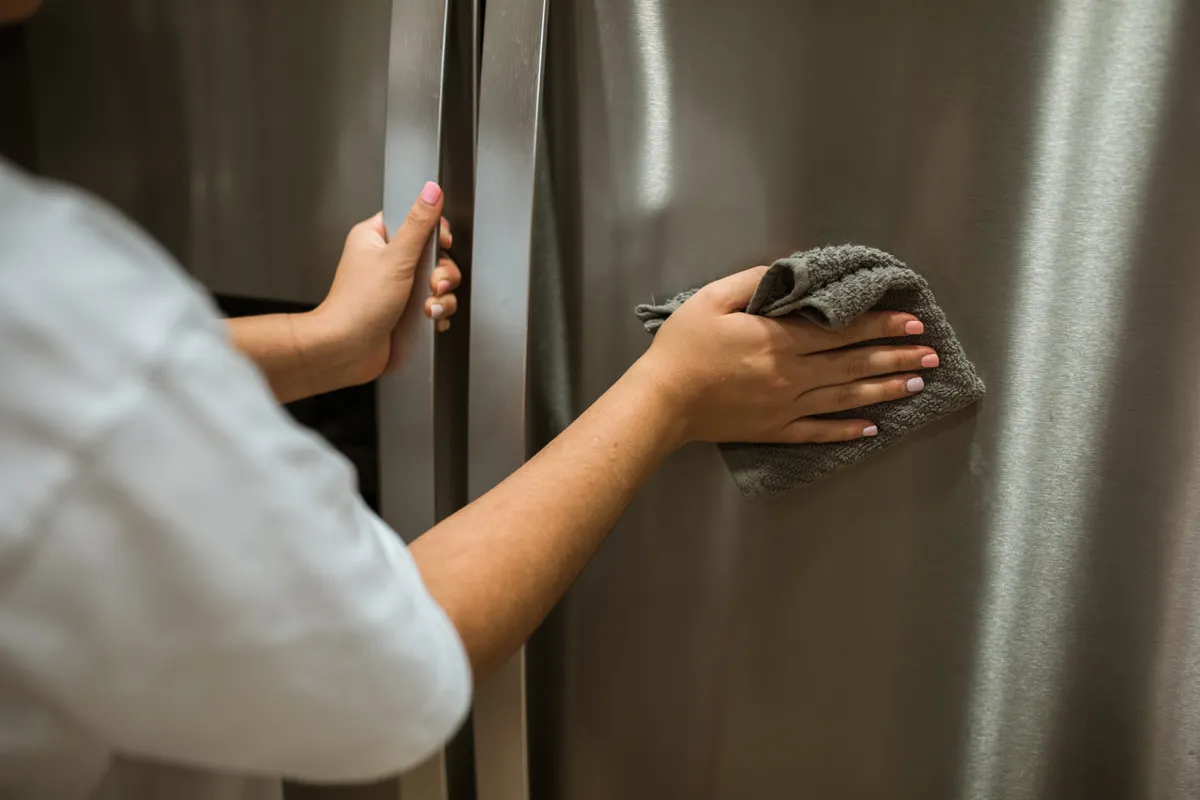
Photo Credit: RDNE Stock project
Refrigerators
Refrigerator care splits between the exterior finish and interior surfaces, which tolerate different products.
|
Area |
Safe to Use |
Avoid |
Notes |
|
Stainless steel exterior |
Stainless cleaner, diluted vinegar |
Bleach, abrasive pads |
Wipe with the grain |
|
Black stainless or matte finish |
Manufacturer-approved cleaner only |
Standard stainless polish |
Standard polish can dull matte coatings |
|
Painted or plastic exterior |
Mild soap |
Bleach on light-colored plastic |
Bleach can yellow plastic over time |
|
Interior shelves and bins |
Mild soap and water |
Bleach near rubber gaskets |
Bleach can degrade gasket material |
Dishwashers
Dishwasher tubs and exteriors need attention separately, since the interior involves rinse cycles rather than direct scrubbing.
|
Area |
Safe to Use |
Avoid |
Notes |
|
Stainless steel tub |
Dishwasher-safe cleaner, occasional vinegar rinse cycle |
Bleach in the tub |
Bleach and stainless don't mix well over repeated cycles |
|
Plastic tub |
Dishwasher-safe cleaner |
Bleach unless label confirms compatibility |
Some plastic tubs tolerate bleach, many don't |
|
Exterior panel |
Match to appliance finish table above |
Abrasive pads |
Same rules as refrigerator exteriors |
|
Door gasket and seal |
Mild soap, soft cloth |
Bleach, harsh solvents |
Gasket material can crack with harsh chemicals |
Microwaves
Microwave interiors respond well to steam-based loosening rather than scrubbing, which also protects the interior coating.
|
Area |
Safe to Use |
Avoid |
Notes |
|
Interior coating |
Mild soap, steam from water and vinegar or lemon in a microwave-safe bowl |
Abrasive pads, metal scrubbers |
Steam loosens splatter before wiping |
|
Turntable (glass) |
Mild soap |
Abrasive pads |
Handle carefully, glass turntables chip easily |
|
Exterior panel |
Match to appliance finish table above |
Bleach on plastic |
See Refrigerator exterior guidance |
Floors
Kitchen floor material affects both cleaning products and how much water is safe to use.
|
Material |
Safe to Use |
Avoid |
Notes |
|
Ceramic or porcelain tile |
Mild soap, pH-neutral cleaner |
Vinegar on unsealed grout |
Vinegar can erode grout over time |
|
Natural stone floor |
pH-neutral stone cleaner only |
Vinegar, acidic cleaners |
Same etching risk as stone countertops |
|
Vinyl or linoleum |
Mild soap |
Solvent-based cleaners, ammonia |
These can dull or discolor the surface |
|
Hardwood |
Wood-specific floor cleaner |
Excess water, steam mops |
Water damage on hardwood is often permanent |
|
Laminate flooring |
Manufacturer-approved cleaner |
Excess water |
Water causes swelling at the seams |
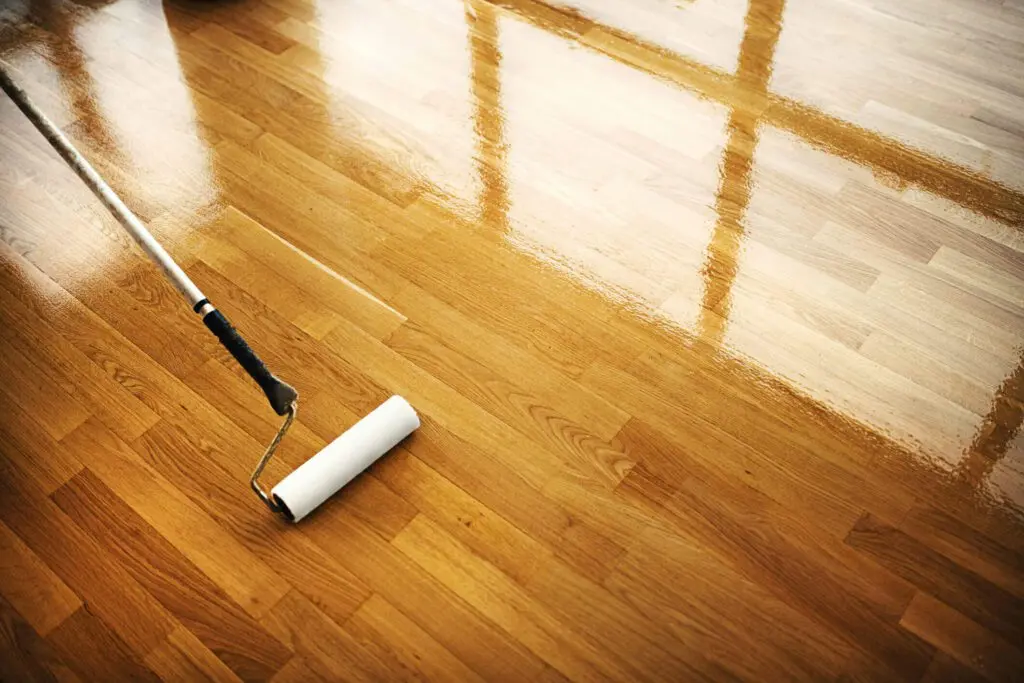
Photo Credit: Internet
Backsplash
Backsplash tile is often more decorative than functional, so scratch resistance matters as much as chemical compatibility.
|
Material |
Safe to Use |
Avoid |
Notes |
|
Ceramic or porcelain tile |
Mild soap, degreaser as needed |
Abrasive pads on glazed tile |
Glaze scratches show permanently |
|
Glass tile |
Glass cleaner, mild soap |
Abrasive pads |
Glass scratches more easily than most tile |
|
Natural stone backsplash |
pH-neutral cleaner |
Acidic cleaners |
Same etching concerns as stone countertops |
|
Stainless steel backsplash |
Stainless cleaner, diluted vinegar |
Bleach |
Wipe with the grain to avoid streaks |
Common Mistakes to Avoid With This Chart
A few recurring mistakes cause most of the surface damage seen in kitchens:
- Using abrasive pads on soft or coated finishes. Glass cooktops, quartz, and glossy cabinets all show scratches permanently.
- Assuming stainless steel tolerates bleach regularly. Occasional exposure is often fine, but repeated use leads to pitting.
- Treating all "stone" the same way. Granite and marble have very different acid tolerance despite looking similar.
- Skipping the small test spot. This is the fastest way to catch a bad reaction before it spreads across a visible surface.
- Mixing cleaners without checking compatibility. Never combine bleach with vinegar, ammonia, or other acidic cleaners, since this produces hazardous chlorine gas.
For a schedule of how often each of these surfaces actually needs attention, our Kitchen Cleaning Frequency Chart breaks routine tasks down by area so cleaning stays proactive rather than reactive.
When to Recheck or Update This Chart
Manufacturers occasionally update care instructions for finishes, coatings, and appliance surfaces, so it's worth rechecking product-specific guidance if you notice a new warning label, a finish that behaves differently than expected, or if you've recently had a countertop, sink, or appliance replaced. A general compatibility chart like this one is meant to guide everyday decisions, but the packaging or manual for a specific product always takes priority when the two disagree.
If you're setting up similar reference points for another room, our Bathroom Surface Material Cleaning Compatibility Chart covers tile, grout, fixtures, and other bathroom-specific materials that behave differently than kitchen surfaces.
Frequently Asked Questions
What should a useful reference for the kitchen include? A useful kitchen reference should identify the material, list what's generally safe to use on it, flag what to avoid, and note any specific handling cautions, such as sealing needs or heat sensitivity.
What information should a kitchen reference include? Beyond safe and unsafe products, it helps to include the tools that work best for each surface and any situations where testing a small area first is worth the extra step.
Which measurements or categories matter most for the kitchen? Material type matters most, followed by finish (sealed, glazed, coated, or raw), since two surfaces that look similar can have very different chemical tolerance.
How should a kitchen reference or chart be used? Identify the material first, check the relevant section, and test any unfamiliar cleaner on a small hidden spot before applying it across the full surface.
How often should a kitchen reference be updated? Recheck it whenever you replace a countertop, sink, or appliance, or if a manufacturer updates care instructions for a specific finish.
For the complete room-by-room routine that this chart supports, view the full kitchen cleaning guide.
A Note on Safe Use
Always defer to manufacturer care instructions when they're available, since they take priority over general guidance like this chart. Never mix bleach with vinegar, ammonia, or other acidic cleaners, as this combination produces hazardous gas. Work in a ventilated space when using degreasers or concentrated cleaners, and wear gloves if you have sensitive skin. If a stain, mold issue, or damaged finish doesn't respond to routine care, a professional may be better equipped to assess the material and recommend a safe fix.





Leave a Reply