

Wiping a countertop and calling it disinfected is one of the most common mistakes in kitchen cleaning. Disinfectants don't work the moment they touch a surface. They need to stay wet for a set amount of time, called the contact time or dwell time, before they can actually reduce germs the way the label promises. This kitchen disinfecting contact time chart is part of Kitchen Cleaning Reference & Charts, and it's meant to help you understand how long different products need to sit, which kitchen surfaces they're suited for, and what to check before you rely on any of them.
What a Disinfecting Contact Time Chart Should Include
A useful chart isn't just a list of product names. To actually help someone in the kitchen, it needs to answer a few practical questions at a glance:
- What type of product is it (bleach solution, disinfecting wipe, alcohol spray, hydrogen peroxide spray)
- How long the surface needs to stay visibly wet for the product to work as intended
- Which kitchen surfaces it's commonly used on
- What precaution matters most for that product
These four categories matter more than anything else because they're the ones that actually change how you clean. Contact time is the category people skip most often, since it's tempting to spray and wipe in one motion. Surface compatibility matters because a product that's fine on a sealed countertop may not be right for stone, wood, or certain metals. Precautions matter because some disinfectants, bleach in particular, can react dangerously if combined with the wrong household product.
Kitchen Disinfecting Contact Time Chart
Contact times below reflect general ranges commonly found on disinfectant product labels. They vary by brand, concentration, and formulation, so the number printed on your specific bottle always takes priority over any general chart.
|
Disinfectant Type |
Typical Label Contact Time |
Common Kitchen Use |
Key Precaution |
|
Diluted household bleach solution |
Often 1 to 10 minutes; surface must stay visibly wet |
Sealed countertops, sinks, plastic cutting boards |
Never mix with vinegar, ammonia, or other acids |
|
EPA-registered disinfecting wipes (quaternary ammonium) |
Often 4 to 10 minutes |
Countertops, appliance handles, cabinet pulls |
Surface must stay wet the full time, not just wiped once |
|
Alcohol-based disinfecting sprays |
Often 30 seconds to a few minutes, depending on concentration |
Quick touch-ups on small hard surfaces |
Flammable; keep away from open flame or a hot stovetop |
|
Hydrogen peroxide-based sprays |
Often 1 to 5 minutes |
Countertops, sinks |
Check compatibility before use on stone or certain metals |
|
Vinegar (acetic acid) |
Not an EPA-registered disinfectant; no verified contact time |
General grime and light odor control only |
Should not be relied on to disinfect after raw meat contact |
Always confirm the exact time on your product's label before treating this chart as your final answer. Manufacturers reformulate products, and contact times can differ even between two bottles that look similar on a store shelf.
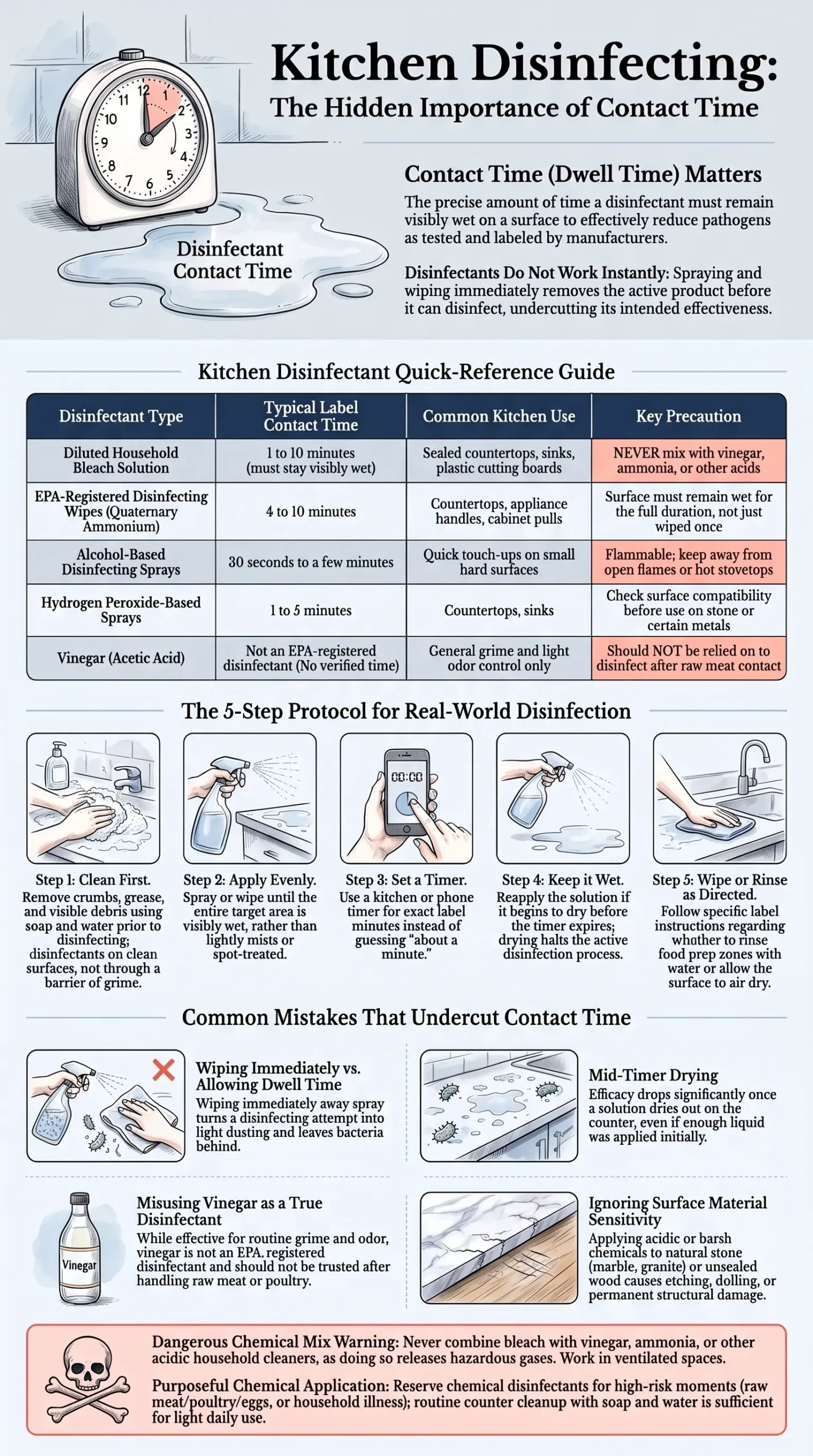
Photo Credit: Hobby Guidebook Editorial
How to Use This Chart in a Real Kitchen
Knowing the contact time doesn't help much if you don't build it into how you actually clean. Here's a practical way to apply it:
- Clean the surface first. Wipe away crumbs, grease, and visible debris with soap and water. Disinfectants work on already-clean surfaces, not through a layer of grime.
- Apply the product evenly. Spray or wipe so the entire surface is visibly wet, not just lightly misted.
- Set a timer. Use your phone or a kitchen timer for the exact minutes listed on the label. Guessing "about a minute" tends to undercut the actual time needed.
- Keep the surface wet. If it starts drying out before time is up, reapply rather than letting it sit dry.
- Wipe or rinse as directed. Some products need to be rinsed afterward, especially in food prep zones; others can air dry. The label will say which applies.
- Stop and reassess if the surface looks damaged. Discoloration, dulling, or a sticky residue means the product isn't a good match for that material, and you should switch to a gentler approach or check with the surface manufacturer.
If you're also trying to figure out which cleaning tool to use for each step, and how long that sponge or cloth is actually safe to keep using, our Kitchen Cleaning Tool Lifespan Chart pairs well with this one, since a worn-out sponge can undo even a correctly timed disinfecting step.
Common Mistakes That Undercut Contact Time
Even careful people shortcut this step without realizing it. The most frequent mistakes include:
- Wiping immediately after spraying. This removes the product before it's had time to work, turning a disinfecting step into a light dusting.
- Letting the surface dry out mid-timer. Once a solution dries, its effectiveness drops, even if you started with the correct amount.
- Assuming all disinfectants work the same way. A bleach solution and an alcohol spray don't behave the same on the same surface, and treating them interchangeably skips real differences in how they're meant to be used.
- Using vinegar as a stand-in for disinfecting. Vinegar is useful for routine grime and odor, but it isn't a registered disinfectant and shouldn't be trusted after handling raw meat or poultry.
- Ignoring surface compatibility. Applying a disinfectant made for sealed countertops onto natural stone or unsealed wood can cause etching, discoloration, or a shortened lifespan for that surface.
Matching Contact Time to the Right Surface
Contact time only matters if the product is appropriate for the surface in the first place. Stainless steel, sealed laminate, and plastic cutting boards generally tolerate most EPA-registered kitchen disinfectants when diluted and used as directed. Natural stone, such as marble or granite, is more sensitive, and acidic or highly alkaline products can etch or dull the finish over time. Unsealed wood surfaces absorb liquid differently than sealed ones, which can affect both how long a product stays wet and whether it's appropriate at all.
Because surface material changes so much about what's safe, it helps to check compatibility before you check contact time. Our Kitchen Surface Material Cleaning Compatibility Chart breaks down which materials tolerate which products, so you can confirm a disinfectant is even appropriate for that countertop or cutting board before timing anything.
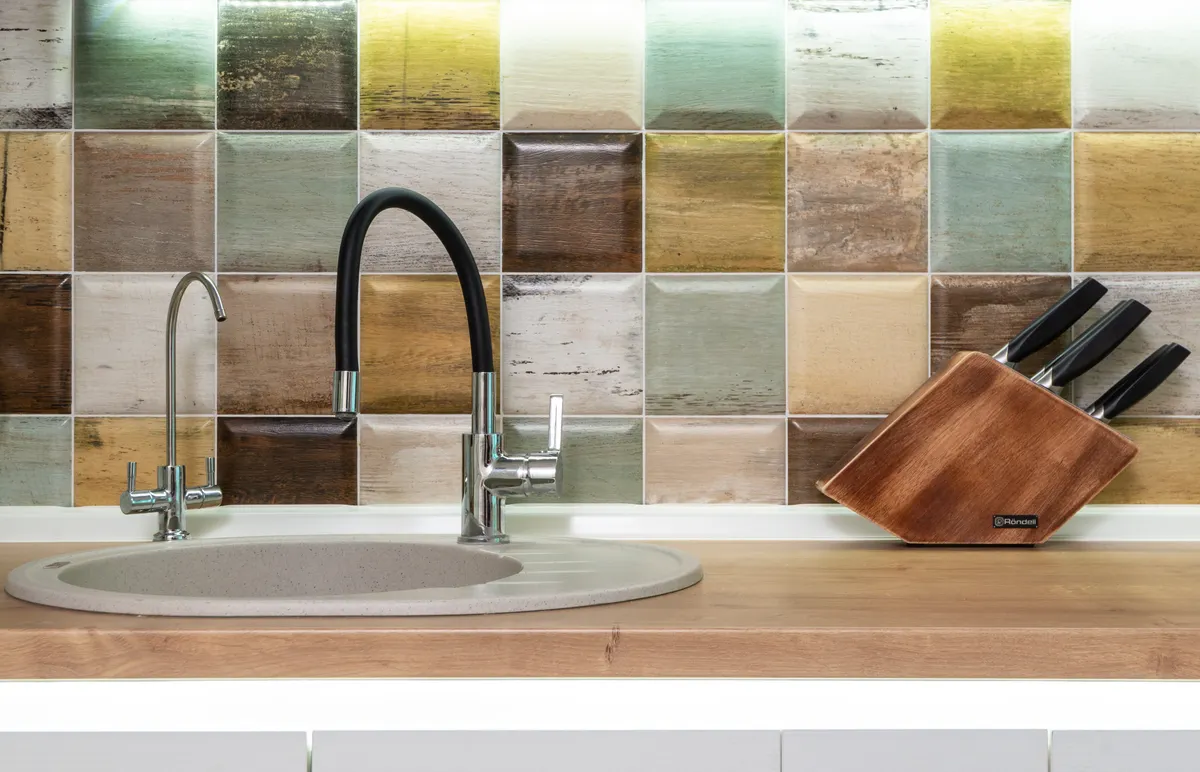
Photo Credit: Max Vakhtbovych
Building Contact Time Into a Realistic Routine
Not every kitchen surface needs full disinfection every day. Countertops that only see light food prep, like slicing bread or setting down a coffee mug, are often fine with routine soap-and-water cleaning or a light vinegar wipe for grime and odor. Reserving disinfectants for higher-risk moments, after raw meat, poultry, or egg contact, or when someone in the household is sick, keeps chemical use purposeful instead of constant. This is also the more eco-friendly way to approach kitchen cleaning overall, since it avoids using stronger chemicals more often than the situation actually calls for.
If you're paying for a professional cleaning service, it's reasonable to ask whether they follow labeled contact times as part of their process. Rushing a disinfecting step doesn't usually change the cost of a service, but it does change whether the disinfecting actually happened. A professional who understands contact time will spend a few extra minutes per surface rather than spraying and wiping in one pass.
A simple way to keep this consistent at home is to pair contact time with a broader cleaning schedule. If you're unsure how often each surface actually needs a full disinfecting pass versus a quick wipe, a Kitchen Cleaning Frequency Chart style reference can help you decide which days call for soap and water and which call for a timed disinfectant.
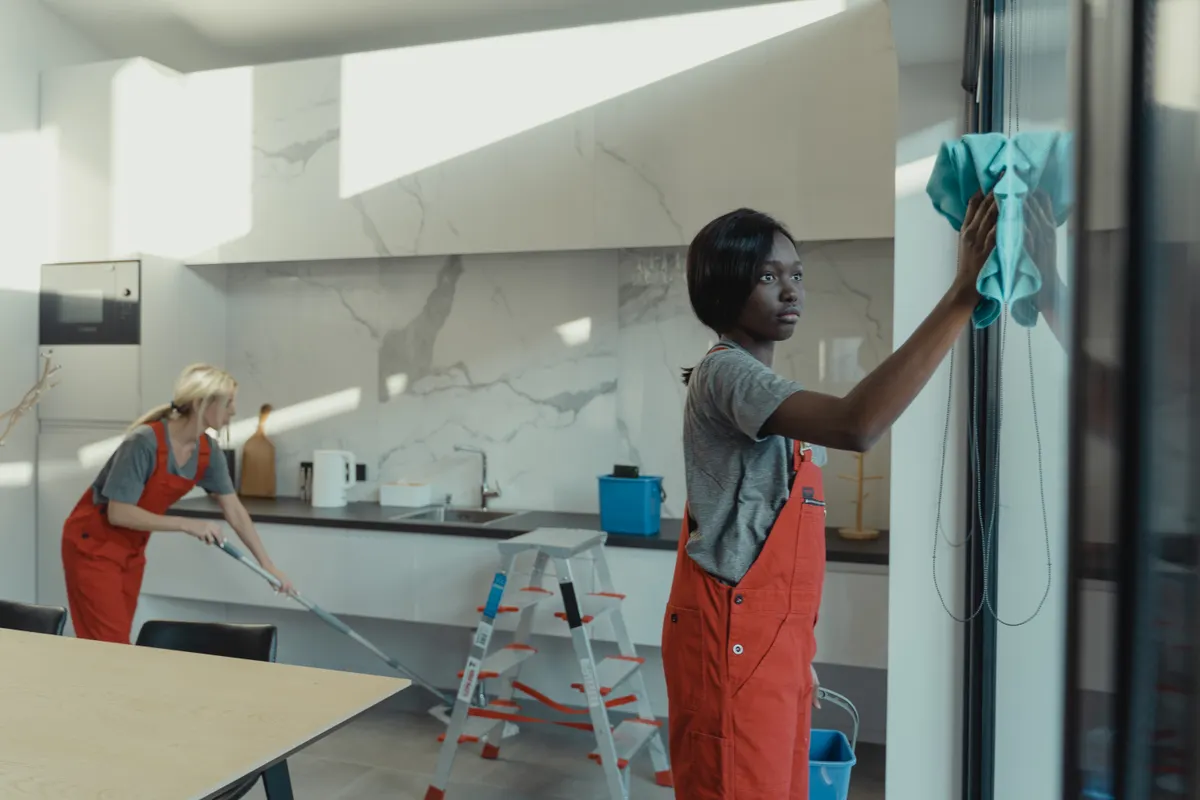
Photo Credit: Tima Miroshnichenko
When to Stop and Call a Professional
Most contact time questions can be solved by reading the product label and giving the process a few extra minutes. But there are situations where DIY disinfecting isn't enough. If mold has spread across a porous surface, if a wood surface has already started to deteriorate, or if you're dealing with a persistent odor or residue that doesn't clear after correct cleaning, it's worth bringing in a professional rather than repeating the same disinfecting steps. Repeated attempts with the same product on a surface that clearly isn't responding usually means the problem is bigger than contact time, and continuing to apply chemicals to it isn't a safer path forward.
Frequently Asked Questions
What should a useful reference for the kitchen include? It should include the product type, how long it needs to stay wet, which surfaces it suits, and the main precaution to watch for. A reference that skips any of these leaves out the part that actually changes how you clean.
What information should a useful kitchen reference include? Beyond contact time, a solid kitchen reference should note surface compatibility and any products that shouldn't be combined, since those two details prevent the most common and the most dangerous mistakes.
Which measurements or categories matter most for the kitchen? For disinfecting specifically, contact time in minutes and surface material compatibility matter most. Dilution ratio also matters when a product requires mixing before use.
How should a kitchen reference or chart be used? Use it as a starting point, then confirm the exact number against your product's actual label, since formulations and concentrations vary between brands and even between versions of the same product.
How often should a kitchen reference be updated? Whenever you switch to a new disinfectant brand or formulation, since contact times aren't standardized across all products. It's worth a quick label check any time you buy a replacement bottle, even of something you've used before.
If bathroom surfaces come with their own contact time questions, our Bathroom Disinfecting Contact Time Chart covers the same idea applied to tile, grout, and fixtures.
A Note on Safe Use
Always follow the contact time, dilution ratio, and surface guidance printed on your specific product's label, since it takes priority over any general chart. Never mix bleach with vinegar, ammonia, or other acidic cleaners, as doing so can produce hazardous gas. Work in a ventilated space when using stronger disinfectants, and test any new product on a small, hidden area first if you're unsure how a surface will react. If mold, damage, or a persistent problem doesn't resolve with correct disinfecting, a professional assessment is a safer next step than repeated DIY attempts.
For more kitchen cleaning references and routines, read the full kitchen cleaning guide.



Leave a Reply