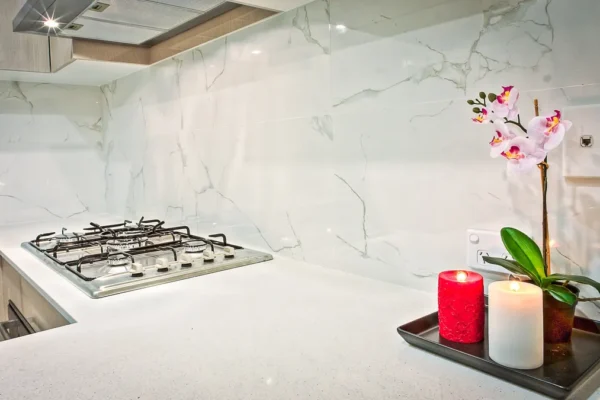
Kitchen walls and backsplashes absorb more daily grime than most people realize. Cooking oil, steam, food splatter, and hand marks near light switches and cabinet edges all build up gradually, often without being obvious until the surface starts to look dull or sticky. A steady kitchen wall cleaning routine keeps that buildup from turning into a bigger job later. This guide covers a full kitchen wall & backsplash cleaning checklist, step-by-step methods, and material-specific advice, so you know exactly what to use and what to avoid. For the wider picture of keeping the whole kitchen in good shape, see our Back to the complete kitchen cleaning guide.
Not every wall surface in a kitchen behaves the same way. Painted drywall, tile backsplash, stainless steel panels, and glass backsplash all respond differently to moisture, degreasers, and scrubbing. This guide is written as kitchen wall & backsplash cleaning for beginners, but it also covers enough material-specific detail to be useful for anyone trying to protect a specific finish. It stays focused on kitchen walls and backsplashes; for deeper stain removal on fabric, grout, or other surfaces, a dedicated stain removal method is usually more effective than general wall cleaning advice.
The Fastest Way to Clean a Kitchen Wall and Backsplash (Quick Answer)
For most kitchen walls and backsplashes, this basic sequence covers routine cleaning:
Dust or wipe down loose debris with a dry microfiber cloth.
Mix warm water with a small amount of mild dish soap, or use a degreaser suited to grease buildup.
Wipe in sections, working from the top down so drips land on areas you have not cleaned yet.
Rinse with a clean, damp cloth to remove soap residue.
Dry the surface, especially around outlets, switches, and any seams near the backsplash edge.
This works well for painted walls, sealed tile, and most sealed backsplash materials. The exact cleaner and technique should be adjusted based on the specific surface, which is covered in detail below.
How Often Should You Clean Kitchen Walls and Backsplash?
Kitchen walls and backsplash areas near the stove need more frequent attention than walls in the rest of the house, since cooking generates airborne grease that settles on nearby surfaces. A general wipe-down once a week keeps light buildup from turning into a stubborn film, with a deeper clean about once a month.
How long a full kitchen wall & backsplash clean takes depends on the size of the kitchen and how much grease has built up, but a routine wipe-down of the backsplash and nearby wall areas typically takes 15 to 25 minutes. A full deep clean, including cabinet-adjacent walls and light switch areas, usually takes closer to 45 minutes to an hour.
Task
How Often
Why It Matters
Wipe backsplash near stove
Weekly
Grease builds up fastest closest to the cooktop
Wipe general wall surfaces
Every 2 weeks
Prevents dust and light grease film from settling
Deep clean (grout, seams, switch plates)
Monthly
Reaches buildup a quick wipe-down misses
Full wall wash (painted areas)
Every few months, or as needed
Keeps paint looking fresh without over-scrubbing
Photo Credit: Polina Tankilevitch
Kitchen Wall & Backsplash Cleaning Checklist
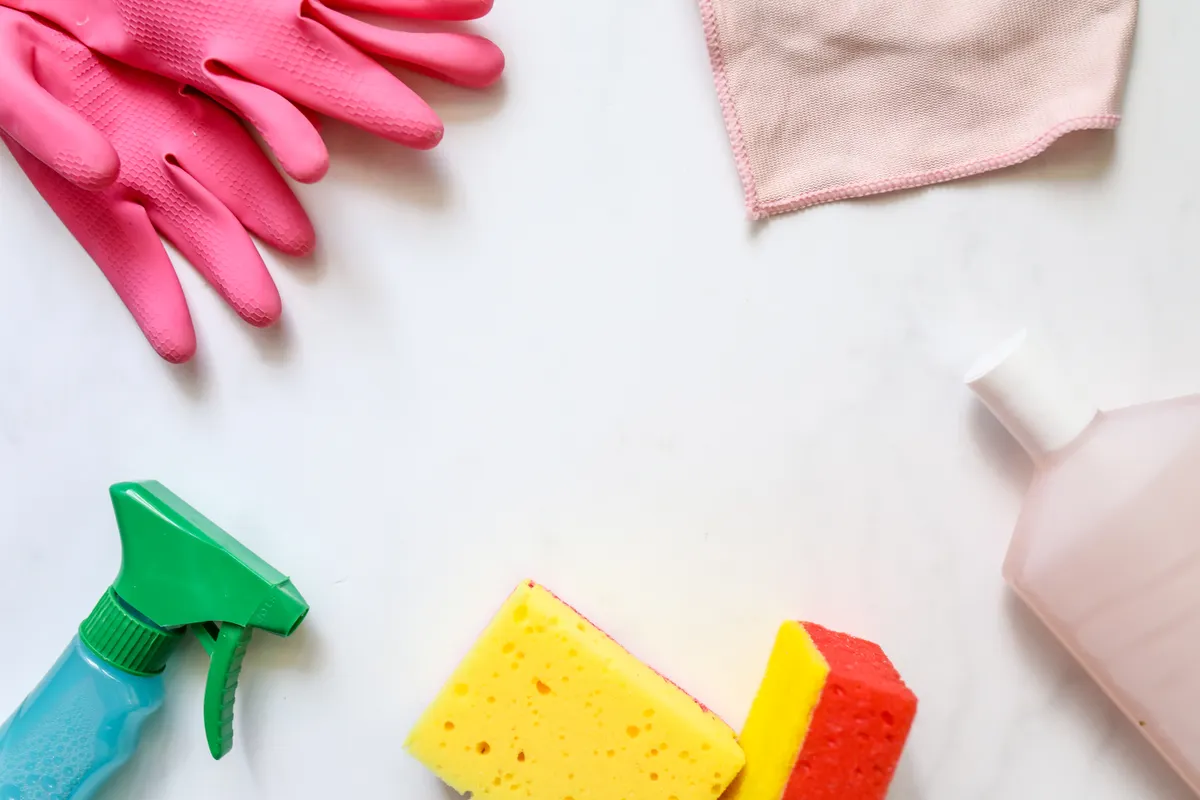
Before starting, gather what you need so you are not stopping mid-task to find supplies:
Microfiber cloths (at least two, one for cleaning and one for drying)
Mild dish soap or a degreaser rated safe for your wall material
A soft-bristle brush for grout lines on tile backsplash
A spray bottle for diluted cleaning solution
Rubber gloves if using a stronger degreaser
A dry towel for switch plates and outlet areas
If you have a single-wall kitchen layout, your backsplash and wall space often carry more visual weight since there is less counter and cabinet space to break things up. Keeping that wall section clean matters more in a compact layout, and pairing a good cleaning routine with smart storage can make a real difference. Our guide to One-Wall Kitchen Organization covers how to keep that single wall functional as well as clean.
Step-by-Step Kitchen Wall and Backsplash Cleaning Process
Clear the counter beneath the wall or backsplash. Move small appliances and items out of the way so you can reach the full surface without obstruction.
Dry dust first. A quick pass with a dry microfiber cloth removes loose dust and cobwebs before introducing any liquid.
Mix your cleaning solution. Warm water with a small amount of mild dish soap works for most painted walls and sealed tile. For heavier grease near the stove, a degreaser labeled safe for your specific wall material is a better fit.
Work from the top down. Wipe in sections, starting near the upper wall or top of the backsplash and moving downward, so any drips land on unfinished areas rather than surfaces you already cleaned.
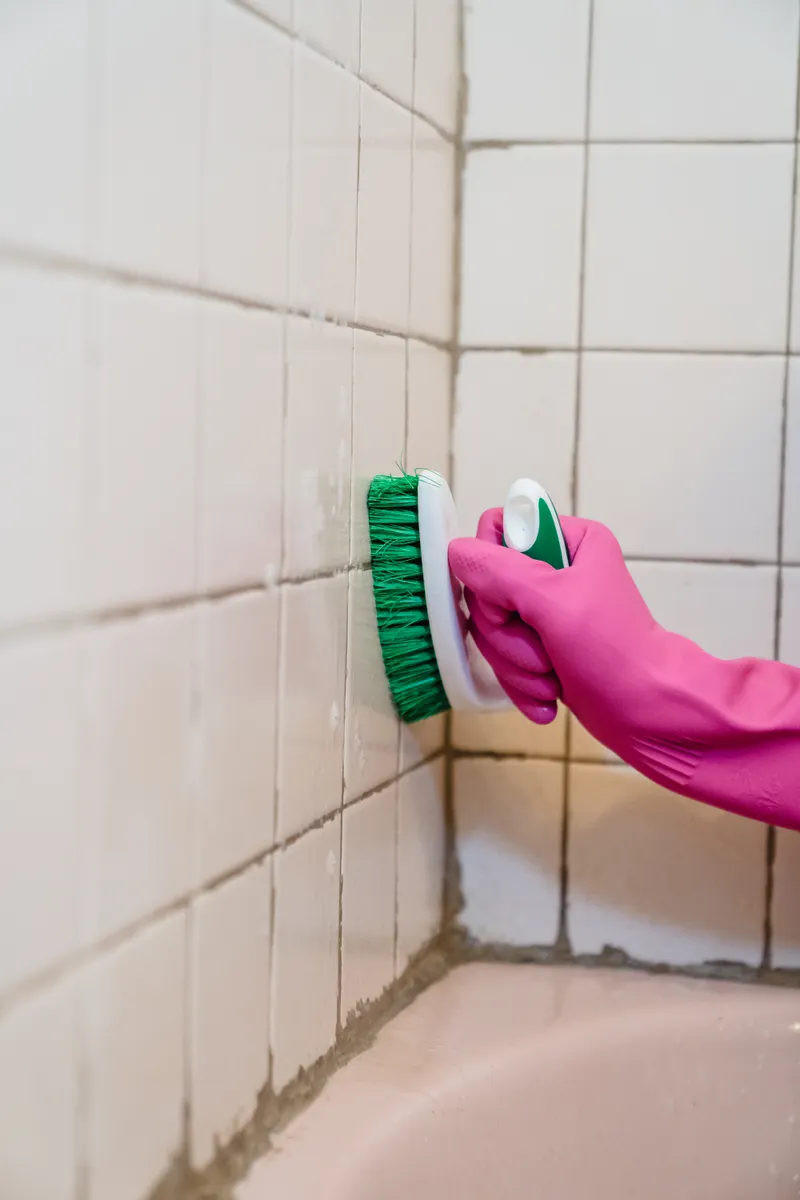
Pay extra attention to grout lines on tile backsplash, using a soft-bristle brush with a small amount of cleaner to lift grease out of the recessed lines.
Rinse with a clean, damp cloth. Soap residue left behind can attract dust and leave the surface looking streaky.
Dry the surface, especially around outlets, switch plates, and any seams where moisture could seep behind the wall material.
Reassess grease-prone areas near the stove and range hood, since these often need a second pass even after a full wipe-down.
Cleaning Kitchen Walls and Backsplash by Material
The general process above works as a starting point, but the specific material behind your stove and around your kitchen determines which products are safe.
Tile Backsplash
Tile backsplash is one of the more durable surfaces in the kitchen, but the grout between tiles is porous and can absorb grease over time if not cleaned regularly. A mild dish soap solution handles routine grease, while a soft-bristle brush helps lift buildup from grout lines without scratching the tile surface. Avoid harsh abrasive powders on glazed tile, since they can dull the finish over repeated use. For a full breakdown of routine and deeper grout care specific to this surface, see our guide to Tile Backsplash Cleaning.
Photo Credit: Liliana Drew
Painted Kitchen Walls
Painted walls near the kitchen, especially areas close to the stove, tend to collect a light film of grease and steam residue over time. A gentle approach works best here: warm water with a small amount of mild dish soap, applied with a soft cloth rather than a scrub brush. Semi-gloss and satin finishes hold up better to wiping than flat or matte paint, which can show marks or lose sheen if scrubbed too aggressively. Always test a small, hidden area first if you are unsure how the paint will react to moisture. For a full method built specifically around painted surfaces, including how to handle scuffs without damaging the finish, see our guide to Painted Kitchen Wall Cleaning.
Stainless Steel Backsplash
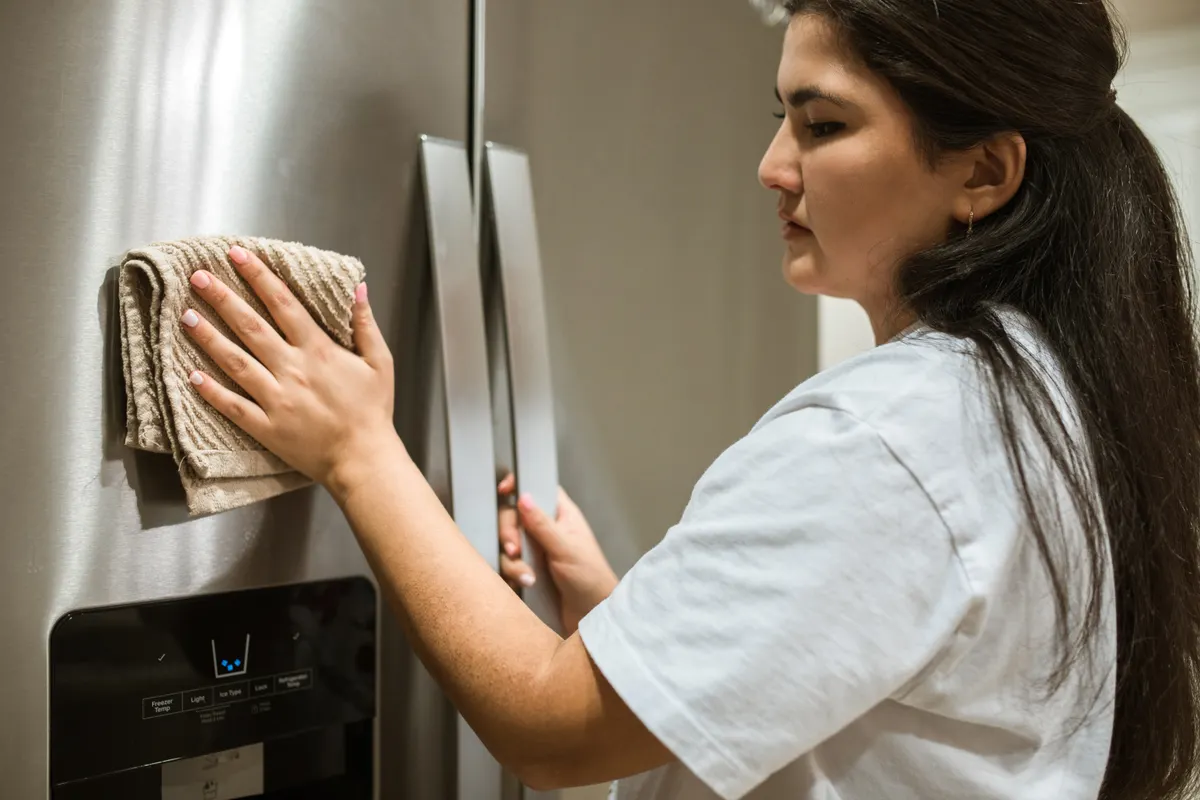
Stainless steel panels resist grease buildup better than most materials, but they show fingerprints and streaks easily. A mild soap solution wiped in the direction of the steel's grain, followed by a dry cloth, keeps the surface looking clean without streaking. Avoid abrasive pads, which can leave permanent scratch marks on the finish.
Glass Backsplash
Glass backsplash is non-porous and generally easy to maintain, but it shows streaks more visibly than other materials. A diluted glass cleaner or a simple water and mild soap mix, wiped with a lint-free cloth, usually leaves a clean, streak-free finish. Avoid ammonia-based cleaners if the glass panel has any tinted or coated finish, since some coatings can be damaged by ammonia over repeated use.
Wall or Backsplash Type
Safe Everyday Cleaner
Avoid
Notes
Tile backsplash
Mild dish soap solution
Harsh abrasive powders on glazed tile
Grout needs separate attention with a soft brush
Painted wall
Warm water, mild soap, soft cloth
Aggressive scrubbing, especially on flat paint
Test hidden area first
Stainless steel
Mild soap, wipe with the grain
Abrasive pads
Dry immediately to avoid streaking
Glass backsplash
Diluted glass cleaner or mild soap
Ammonia on coated or tinted glass
Use a lint-free cloth for a streak-free finish
What Cleaning Products Are Safe for Kitchen Wall and Backsplash?
For most surfaces, a mild dish soap and warm water solution is the safest everyday choice, since it cuts light grease without being harsh on paint, sealants, or grout. A few additional notes:
Degreasers work well on grease-heavy areas near the stove but should be checked against your specific wall material first, since stronger formulas can strip paint sheen or dull certain finishes.
Vinegar-based cleaners are sometimes used on sealed tile but should be used sparingly on grout, since repeated acidic exposure can wear it down over time.
Bleach solutions can disinfect tile grout in small amounts but should never be mixed with ammonia, vinegar, or other acidic cleaners, as this can produce hazardous fumes.
Ammonia-based glass cleaners are fine for plain glass backsplash but should be avoided on tinted, frosted, or coated glass panels.
When a product label conflicts with general advice, follow the label. Manufacturer instructions account for the exact finish or sealant used on your specific surface.
What Should You Avoid When Cleaning Kitchen Wall and Backsplash?
A few habits cause more damage than people expect over time:
Using abrasive scrubbers on painted walls, glazed tile, or stainless steel, which can dull or scratch the finish.
Letting grease sit for weeks. Once grease film hardens, it takes more aggressive cleaning to remove, which increases the risk of damaging the surface underneath.
Skipping grout lines on tile backsplash until stains set in deeply.
Mixing cleaning products, particularly bleach with ammonia, vinegar, or other acidic cleaners.
Using too much water near outlets and switch plates, which is both a safety hazard and a way to damage the wall behind the fixture.
How Can You Clean Kitchen Wall and Backsplash Without Damaging Them?
The safest approach is to match the cleaner to the material rather than reaching for the strongest product available. A few habits help protect any wall or backsplash surface over time:
Test any new cleaner in a small, hidden area first, especially on painted walls or glass with a coated finish.
Wipe with the grain on stainless steel to avoid visible scratch marks.
Dry surfaces after cleaning, particularly around outlets, switches, and grout lines, to avoid trapped moisture.
Address grease near the stove weekly rather than letting it build up into a harder job.
Follow manufacturer care instructions for any specialty backsplash material, since they reflect the exact coating or sealant used.
Common Mistakes to Avoid With Kitchen Wall and Backsplash
Scrubbing painted walls too aggressively, which can strip sheen or leave visible marks.
Ignoring grout maintenance on tile backsplash until stains are deeply set.
Using ammonia on coated or tinted glass, which can degrade the coating over time.
Letting water pool near outlets or switch plates, creating both a damage risk and a safety hazard.
Using the wrong cleaner for the material, such as an abrasive powder on stainless steel.
Waiting too long between routine wipe-downs, which turns a quick weekly task into a much longer deep clean.
Photo Credit: RDNE Stock project
A Quick Note on Safety
Kitchen wall and backsplash cleaning generally carries low risk, but a few precautions matter. Always check product labels first, since manufacturer instructions take priority over general guidance. Never mix bleach with ammonia, vinegar, or other acidic cleaners, as this combination can release hazardous fumes. Work with a window open or good airflow when using a strong degreaser, and avoid letting water pool near electrical outlets or switch plates. If you notice mold behind a backsplash, water damage, or a stain you cannot identify, it is worth getting professional advice rather than treating it with household products alone.
Frequently Asked Questions
What is the best way to clean kitchen wall and backsplash? Dust first, then wipe with a mild soap solution matched to your wall material, working from the top down and drying the surface afterward.
How often should you clean kitchen wall and backsplash? Wipe areas near the stove weekly, clean general wall surfaces every two weeks, and do a deeper clean covering grout and switch plates about once a month.
What cleaning products are safe for kitchen wall and backsplash? A mild dish soap and warm water solution is safe for most surfaces. Match stronger products, such as degreasers or bleach, to materials that can tolerate them, and avoid ammonia on coated glass.
What should you avoid when cleaning kitchen wall and backsplash? Avoid abrasive scrubbers, letting grease sit for long periods, mixing bleach with ammonia or vinegar, and using excess water near outlets and switches.
How can you clean kitchen wall and backsplash without damaging them? Test new cleaners in a small area first, wipe stainless steel with the grain, dry surfaces after cleaning, and follow manufacturer care instructions for specialty materials.
What common mistakes should you avoid with kitchen wall and backsplash? The most common mistakes are scrubbing too aggressively, ignoring grout maintenance, using the wrong cleaner for the material, and waiting too long between routine wipe-downs.
A steady wall and backsplash routine keeps grease and grime from turning into a bigger job later, and matching your cleaner to the specific material protects the finish for the long run. For more on how this fits into your overall kitchen routine, back to the complete kitchen cleaning guide.





Leave a Reply