
by
Category: Clean
Practical cleaning guidance for keeping every part of your home fresh, clean, and well maintained.
-

Move-In / Move-Out Kitchen Cleaning
Move-in and move-out kitchen cleaning is not the same as a regular weekly wipe-down. This is part of Kitchen Cleaning for Special Situations, and it calls for a deeper, more methodical approach because you are dealing with someone else's leftover grease, dust, and grime, or preparing a space for a new tenant or buyer who…
-

Kitchen Cleaning Tool Lifespan Chart
Cleaning tools wear out faster than most people realize, and using them past their useful life can actually spread bacteria and grime instead of removing it. A kitchen cleaning tool lifespan chart gives you a clear idea of how long common tools last, what signs mean it's time to replace them, and which habits shorten…
by
-

Kitchen Disinfecting Contact Time Chart
Wiping a countertop and calling it disinfected is one of the most common mistakes in kitchen cleaning. Disinfectants don't work the moment they touch a surface. They need to stay wet for a set amount of time, called the contact time or dwell time, before they can actually reduce germs the way the label promises.…
by
-
Kitchen Cleaning Frequency Chart
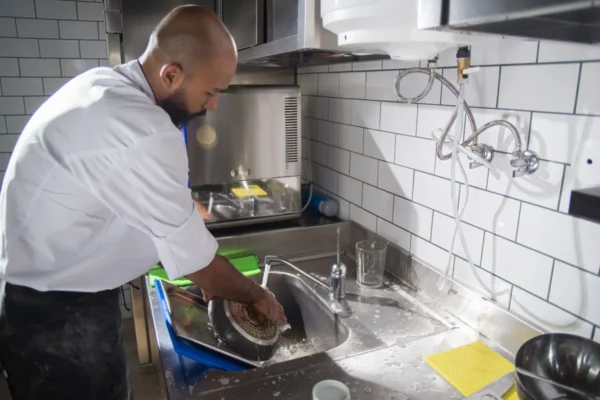
Knowing what to clean and when is one of the biggest sources of confusion in kitchen care. A kitchen cleaning frequency chart solves that problem by breaking tasks into daily, weekly, monthly, and seasonal categories, so nothing gets forgotten and nothing gets over-cleaned. This guide is part of the Kitchen Cleaning Reference & Charts collection,…
by
-

Kitchen Cleaning Product Dilution Ratio Chart
Using too much cleaning product does not mean a cleaner kitchen. In many cases, it means more residue, more rinsing, and a higher chance of damaging a surface or wasting product. A cleaning product dilution ratio chart gives you a quick reference for how much concentrate to mix with water for common kitchen tasks, so…
by
-

Kitchen Surface Material Cleaning Compatibility Chart
Not every kitchen surface can handle the same cleaner. What works safely on stainless steel can pit or discolor it if used the wrong way, and a cleaner that's fine on sealed granite can dull unsealed marble. This kitchen surface cleaning compatibility chart is a quick reference for matching the right cleaning approach to the…
by
-

Do I Need to Clean My Kitchen Every Day?
If you've ever wondered whether you really need to clean your kitchen every single day, the short answer is yes, but not in the way most people imagine. You don't need to scrub every surface daily. You do need a short daily routine that keeps food residue, grease, and moisture from building up between deeper…
by
-

Best Order to Clean a Kitchen (Top to Bottom)
Cleaning a kitchen in the wrong order usually means redoing work you already finished. Wipe the counters first, then knock crumbs off the cabinets above them, and you've just undone your own progress. The best order to clean a kitchen follows a simple rule: start high and work down, and start dry before you go…
by
-
How to Clean a Kitchen Without Harsh Chemicals
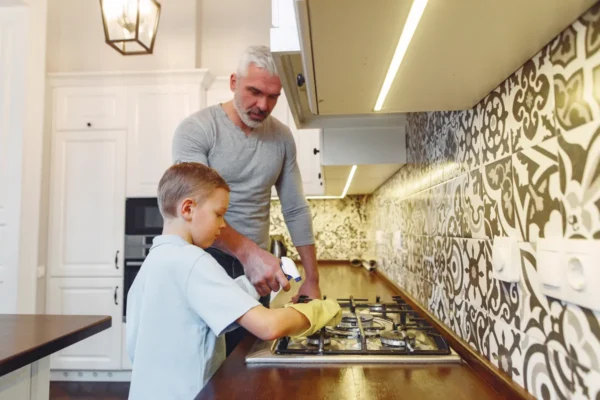
A lot of kitchens get cleaned with whatever spray is under the sink, without much thought about what's actually in the bottle. If you'd rather skip the fumes, the warning labels, and the guesswork, you can clean a kitchen without harsh chemicals and still get it fully clean, from the countertops to the floor. This…
by
-
Vinegar vs Bleach for Kitchen Cleaning
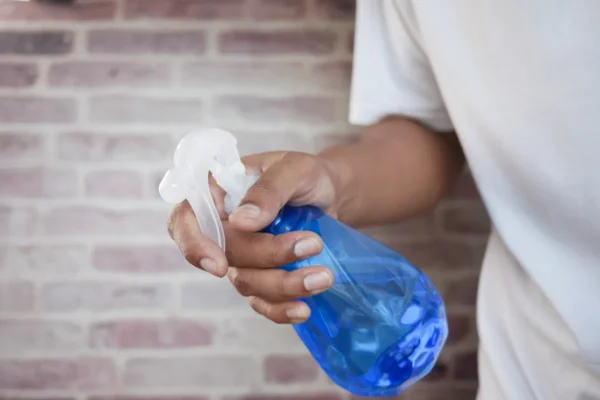
Vinegar and bleach both show up in kitchen cleaning routines, but they don't do the same job, and reaching for the wrong one can waste effort or damage a surface. Vinegar is a mild acid that works well on everyday grime, water spots, and light odor, while bleach is a disinfectant meant for killing bacteria…
by