

A slow cooker earns its keep on busy weeknights, simmering soups, stews, and roasts for hours with barely any attention needed. But that long, low heat also means food has plenty of time to bake onto the ceramic insert, and the lid seal can trap smells that linger long after the dish is gone. Slow cooker cleaning is straightforward once you know which parts can handle a good soak and which need gentler care.
This guide covers cleaning the ceramic insert, caring for the lid and base, and how often each part needs attention. It's part of the Small Kitchen Appliance Cleaning Guide, which covers care for other everyday kitchen appliances beyond the slow cooker.
The Best Way to Clean a Slow Cooker (Quick Answer)
For most slow cookers, this approach works well:
- Let the ceramic insert cool completely before washing, since sudden temperature changes can crack it.
- Soak the insert in warm soapy water to loosen baked-on food, then wash with a soft sponge.
- Wipe the lid inside and out, paying attention to the seal or rim where residue collects.
- Wipe the exterior base with a damp cloth, never submerging it in water.
The ceramic insert is the part that takes the most direct food contact and needs the most careful handling, since it's prone to cracking if it goes from very hot to cold water too quickly.
Cleaning the Ceramic Insert
The insert is the removable pot that sits inside the slow cooker's outer base, and it's usually the piece that needs the most attention after a long cook.
- Let the insert cool to room temperature before washing it. Placing a hot ceramic insert directly into cold water can cause thermal shock, which may crack or damage the glaze.
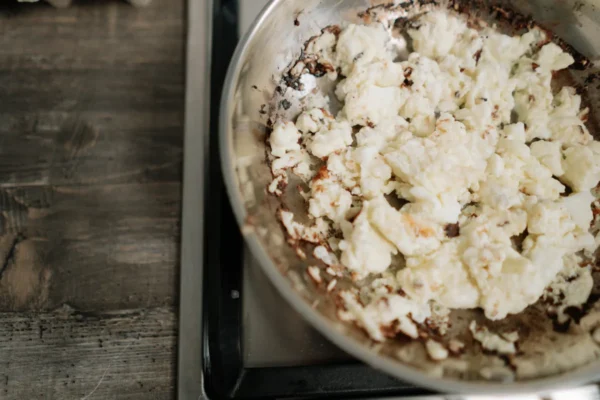
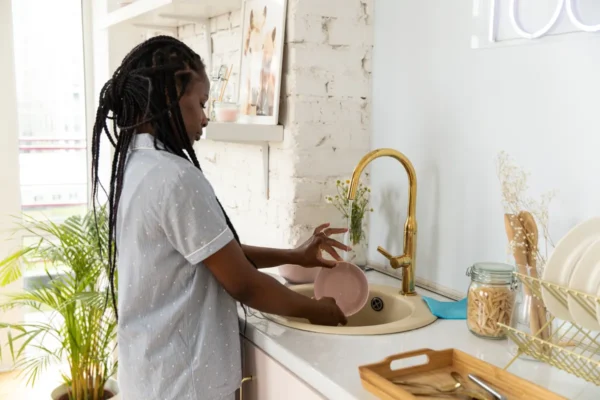
- Soak in warm water with a bit of dish soap for 15 to 20 minutes if food has baked onto the sides or bottom. This softens residue significantly before scrubbing.
- Wash with a soft sponge, working in circular motions around any stuck-on spots rather than pressing hard with a scraper.
- Check the manufacturer's manual to confirm whether your specific insert is dishwasher-safe, since this varies between brands and models.
- Dry thoroughly with a towel or let it air dry fully before storing it back in the base.
Most ceramic inserts tolerate regular dish soap and warm water well, and many are dishwasher-safe, but always check the manual first since some glazes or decorative finishes may have different care instructions.
Cleaning the Lid
The lid, usually glass or a clear plastic-topped design, collects condensation and food splatter during cooking, and the rim where it meets the insert is a common spot for residue to build up unnoticed.
- Wash the lid in warm soapy water, using a soft sponge to clean both the inside and outside surfaces.
- Pay close attention to the rim or seal area, wiping into any grooves where steam and food particles tend to settle during long cook times.
- Rinse thoroughly to clear soap residue, then dry fully before placing it back on the insert.
If the lid has a separate rubber gasket or seal, that piece may benefit from being removed and cleaned individually, similar to how a dishwasher door seal is checked separately from the rest of the tub.
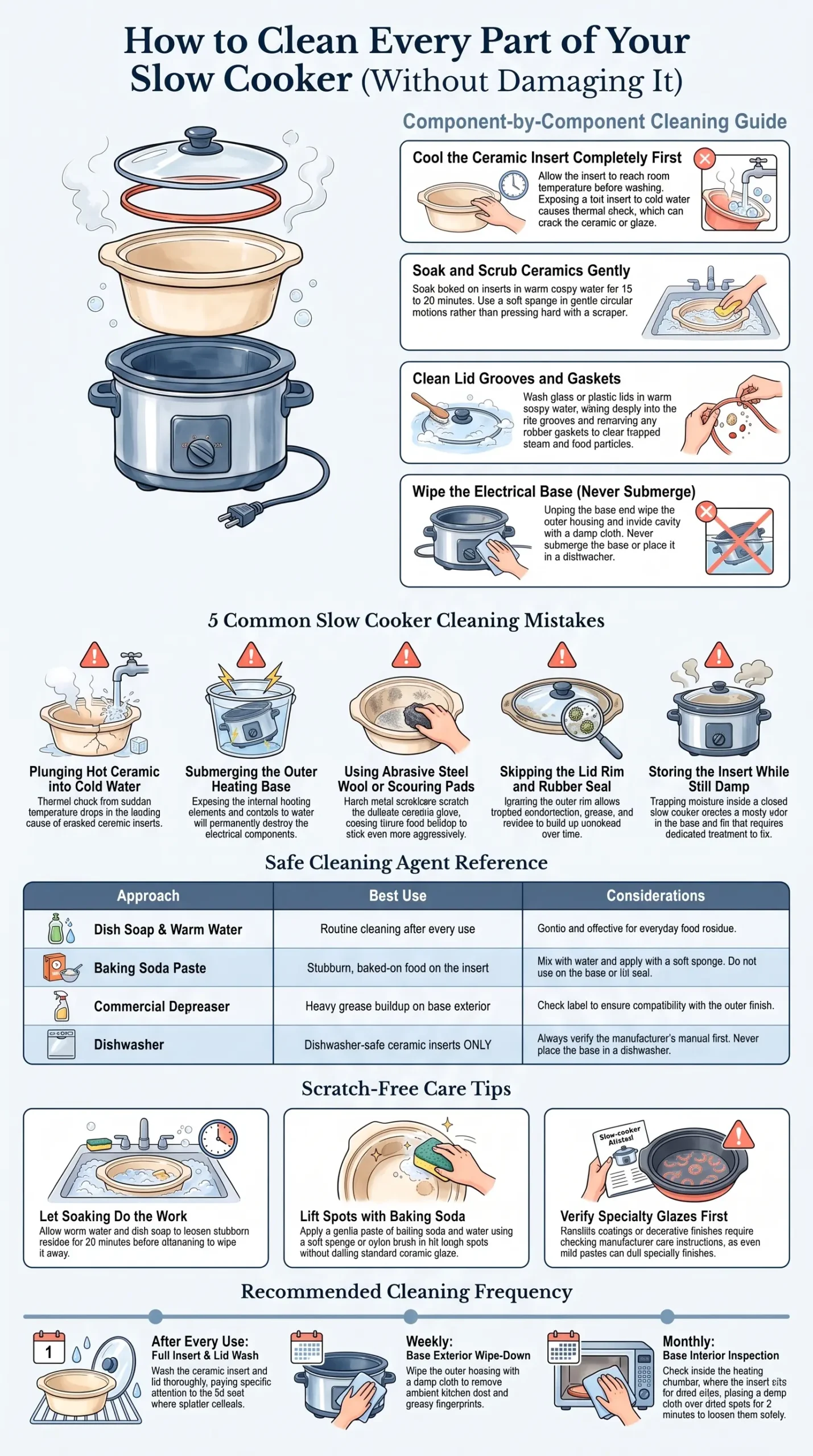
Photo Credit: Hobby Guidebook Editorial
Cleaning the Base and Heating Element
The outer base, which houses the heating element and electrical components, needs a very different cleaning approach than the insert and lid.
- Unplug the base before cleaning it in any way.
- Wipe the interior of the base (where the insert sits) with a damp cloth to clear any spills that may have dripped down during cooking.
- Wipe the exterior with a damp cloth and a small amount of mild dish soap if needed for greasy fingerprints or splatter.
- Never submerge the base in water and never place it in a dishwasher, since doing so risks damaging the heating element and other electrical components permanently.
- Dry the base fully with a separate cloth before plugging it back in.
If a spill has dripped down into the base and dried, a slightly damp cloth left resting on the spot for a minute or two usually loosens it enough to wipe away without needing to scrape at the surface.
Common Mistakes When Cleaning a Slow Cooker
- Placing a hot ceramic insert into cold water. This is one of the most common ways an insert cracks, so letting it cool fully first matters more than saving a few minutes.
- Submerging the base in water. The heating element and controls inside the base aren't designed to handle water exposure.
- Using abrasive scrubbers on the ceramic glaze. Steel wool or harsh scouring pads can scratch the glaze, which makes future buildup stick more easily.
- Skipping the lid rim or seal. This area collects condensation and food residue that a quick wipe of the flat surfaces alone won't catch.
- Storing the insert while still slightly damp. Trapped moisture can lead to a musty smell developing in the base or under the lid over time, which is a different problem from regular food residue and often needs its own fix. Our guide on Removing Slow Cooker Lingering Smell covers how to track down and clear that kind of persistent odor.
Photo Credit: olga Volkovitskaia
Cleaning Without Scratching the Surface
The ceramic insert's glaze is more delicate than it looks, and the wrong tool can leave fine scratches that make the surface harder to clean in the future.
- Use a soft sponge or nylon brush rather than steel wool or metal scouring pads.
- Let soaking do the work on stubborn, baked-on spots instead of scrubbing hard right away.
- A baking soda paste (baking soda mixed with a small amount of water) can help lift stuck-on residue gently, applied with a soft sponge rather than anything abrasive.
- Avoid sudden temperature changes, which affect the ceramic glaze more than the actual cleaning method does.
Baking soda paste is generally gentle enough for regular ceramic inserts, but if your model has a nonstick coating or a decorative glaze, checking the manufacturer's care instructions first helps avoid dulling a finish that a plain ceramic surface wouldn't have to worry about.
Commercial Cleaner vs. Natural Method
|
Approach |
Best Use |
Considerations |
|
Dish soap and warm water |
Routine cleaning after every use |
Gentle and effective for most everyday residue |
|
Baking soda paste |
Stubborn baked-on food on the insert |
Apply with a soft sponge, not for the base or lid seal |
|
Commercial degreaser |
Heavy grease buildup on the base exterior |
Check label for compatibility with the base's outer finish |
|
Dishwasher (insert only, if labeled safe) |
Convenience for dishwasher-safe inserts |
Never place the base in a dishwasher |
For most households, dish soap and warm water handle routine cleaning well, with a baking soda paste as a natural option for tougher, baked-on spots on the insert itself. Mineral buildup isn't usually a concern for a slow cooker the way it is for appliances that heat standing water repeatedly, such as a coffee maker's reservoir, which is covered in more detail in our Coffee Maker Cleaning & Descaling guide.
How Often Should You Clean a Slow Cooker
A full wash of the insert and lid after every use is the simplest way to prevent buildup from setting in, since food residue only gets harder to remove the longer it sits. Beyond that:
- Wipe the base exterior once a week, or more often with frequent use, to clear dust and grease from the outer housing.
- Check the lid rim and seal area every use, since this spot builds up faster than the flat surfaces of the lid.
- A deeper check for baked-on residue inside the base, where the insert sits, works well once a month to catch spots that don't get regular attention during quick wipe-downs.

Photo Credit: cottonbro studio
Caring for Other Small Appliances
Slow cookers aren't the only appliance that benefits from knowing which parts can be washed freely and which need gentler care. Electric kettles face their own version of this issue, though the buildup there comes from minerals in the water rather than food residue, and it collects around the heating element in a way that calls for a completely different cleaning method. Our Electric Kettle Descaling guide walks through clearing that kind of buildup without damaging the kettle's interior.
FAQ
What is the best way to clean a slow cooker? Let the ceramic insert cool fully, then soak and wash it with warm soapy water. Wipe the lid, especially the rim, and clean the base exterior with a damp cloth only.
How often should you clean a slow cooker? Wash the insert and lid after every use, wipe the base exterior weekly, and check for baked-on residue inside the base once a month.
What cleaning products are safe for a slow cooker? Mild dish soap and warm water for routine cleaning, and a baking soda paste for stubborn, baked-on spots on the ceramic insert.
What should you avoid when cleaning a slow cooker? Avoid placing a hot insert into cold water, submerging the base, using abrasive scrubbers on the ceramic glaze, and skipping the lid rim during cleaning.
How can you clean a slow cooker without damaging it? Let the insert cool before washing, use a soft sponge rather than anything abrasive, and never let water reach the base's heating element or controls.
For more appliance care throughout the kitchen, see the full kitchen cleaning guide for additional routines and schedules.



Leave a Reply