

Granite countertops hold up well to daily kitchen life, but they still need the right cleaning approach. Granite is a natural stone, and most granite countertops are sealed to protect the surface from stains and moisture. Clean it the wrong way, and you can wear down that seal faster than it should wear, leaving the stone open to stains and dulling. This guide is part of the Kitchen Countertop Cleaning Guide, and it focuses specifically on what granite needs day to day and where it differs from other countertop materials.
The Fastest Way to Clean Granite Countertop Safely
For daily cleaning, wipe the granite countertop with a soft microfiber cloth and warm water mixed with a few drops of mild dish soap. Wring the cloth so it's damp, not wet, wipe in the direction of the stone's grain, then dry the surface with a clean cloth. This simple routine removes food residue, grease, and light spills without stripping the sealant that protects the stone.
That basic method covers most daily needs. The rest of this guide explains why granite needs gentler care than some other surfaces, what to avoid, and how to handle tougher buildup without damaging the finish.
Why Granite Needs a Different Cleaning Approach
Granite is a natural stone made of tightly packed minerals, but it still has tiny pores. A sealant fills those pores and creates a barrier against liquids and stains. That sealant is the part doing most of the protective work, not the stone itself.
This matters because many common kitchen cleaners are too harsh for a sealed stone surface. Acidic products break down the sealant over time, and abrasive scrubbers can dull the polish. Once the seal wears thin, the granite becomes more porous and more likely to absorb oil, wine, or coffee, which leads to staining that is much harder to remove. Understanding this is the key to choosing safe products and building a cleaning routine that protects the surface long term.
Essential Supplies for Cleaning Granite Countertops
You don't need a large product lineup for granite. A short list of the right tools does more good than a cabinet full of mismatched cleaners.
- Microfiber cloths: soft enough to avoid scratching the polished surface
- Mild dish soap: a few drops diluted in warm water for daily wiping
- pH-neutral stone cleaner: formulated specifically for granite and other natural stone (check the label for "safe for natural stone")
- Soft-bristle brush: useful for grout lines or textured edges, never a stiff scrub brush
- Granite sealer: needed periodically, not for every cleaning session
Skip anything labeled as an all-purpose bathroom cleaner, glass cleaner, or degreaser unless the label specifically states it is safe for natural or sealed stone.
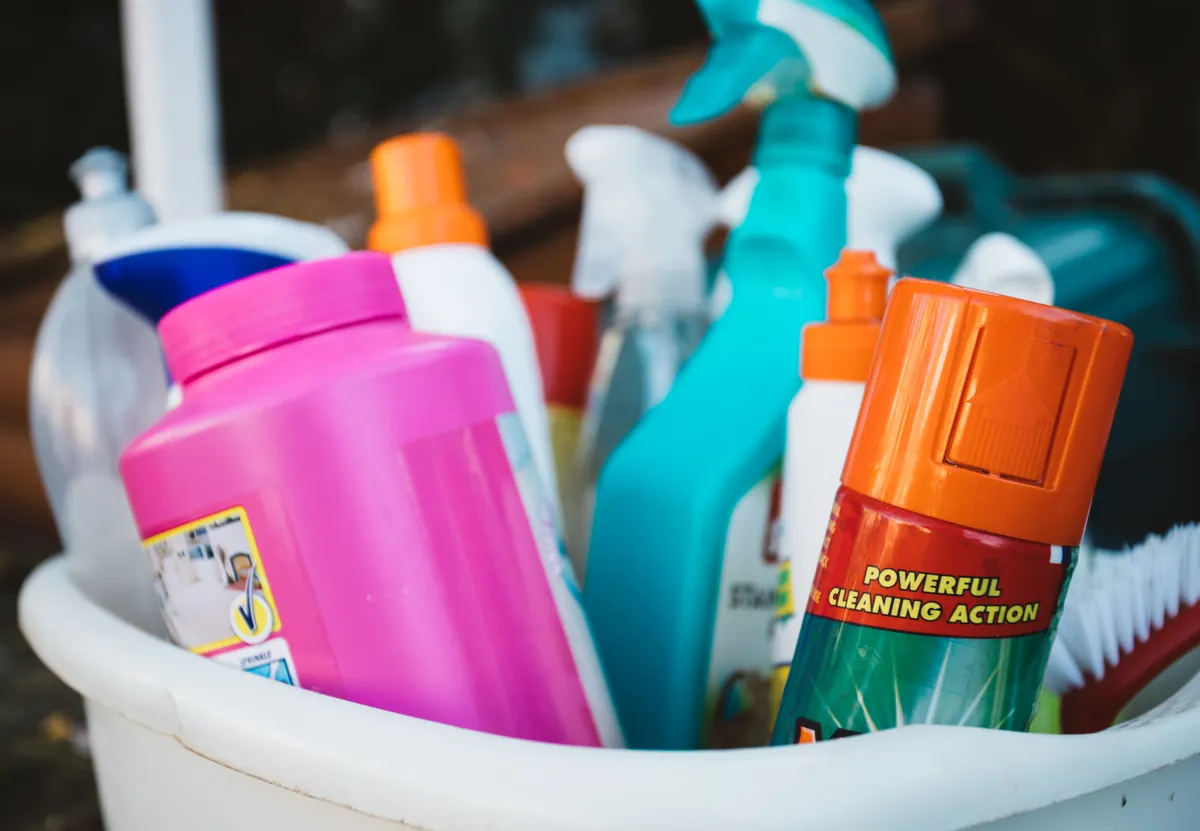
Photo Credit: Ellie Burgin
Daily and Weekly Granite Countertop Cleaning Steps
A short daily wipe-down combined with a slightly more thorough weekly clean keeps granite looking good without extra effort.
Daily routine:
- Wipe up spills as soon as they happen, especially oils, wine, and acidic foods like citrus or tomato sauce.
- Mix a few drops of mild dish soap into warm water.
- Wipe the countertop with a damp microfiber cloth, following the direction of the stone's natural pattern.
- Dry the surface completely with a separate clean cloth. Leaving water to air-dry can contribute to water spots over time.
Weekly routine:
- Spray a pH-neutral stone cleaner directly onto the countertop, following the label's instructions for contact time.
- Wipe in small sections with a soft microfiber cloth.
- For textured or busy edges, use a soft-bristle brush to lift debris without pressing hard on the polished surface.
- Rinse the cloth, wipe again with plain water to remove any cleaner residue, then dry thoroughly.
This weekly step handles buildup that a quick daily wipe might miss, without relying on anything abrasive or acidic.
What to Avoid When Cleaning Granite Countertops
Granite reacts poorly to a specific list of products and habits, and avoiding them matters more than any particular cleaning product you choose to use.
- Vinegar and lemon-based cleaners: the acid slowly etches the stone's polish and breaks down sealant
- Bleach: can discolor granite and weaken the seal with repeated use
- Ammonia-based glass cleaners: strip sealant faster than most people expect
- Abrasive powders or scouring pads: scratch the polished finish, even on a hard stone
- Mixing cleaning chemicals: never combine bleach with ammonia, vinegar, or other acids. This combination can create dangerous fumes and has no place in routine kitchen cleaning, on granite or any other surface.
If you're not sure whether a product is acidic, check the label for pH information or a "safe for natural stone" claim. When in doubt, stick to plain dish soap and water or a cleaner made specifically for granite.
Removing Hard Water Spots and Mineral Buildup
Hard water spots show up as cloudy rings or a chalky film, usually near the sink area where water sits and evaporates. Light buildup often lifts with a pH-neutral stone cleaner and a bit of extra wiping time. If the spots are more stubborn or have been building for a while, a more focused approach may be needed. For a detailed method built specifically for this problem, see Removing Hard Water Stains from Granite Countertops, which covers safe techniques that won't damage the seal.
The best prevention here is simple: dry the countertop after use, especially around the sink, rather than letting water evaporate on its own.
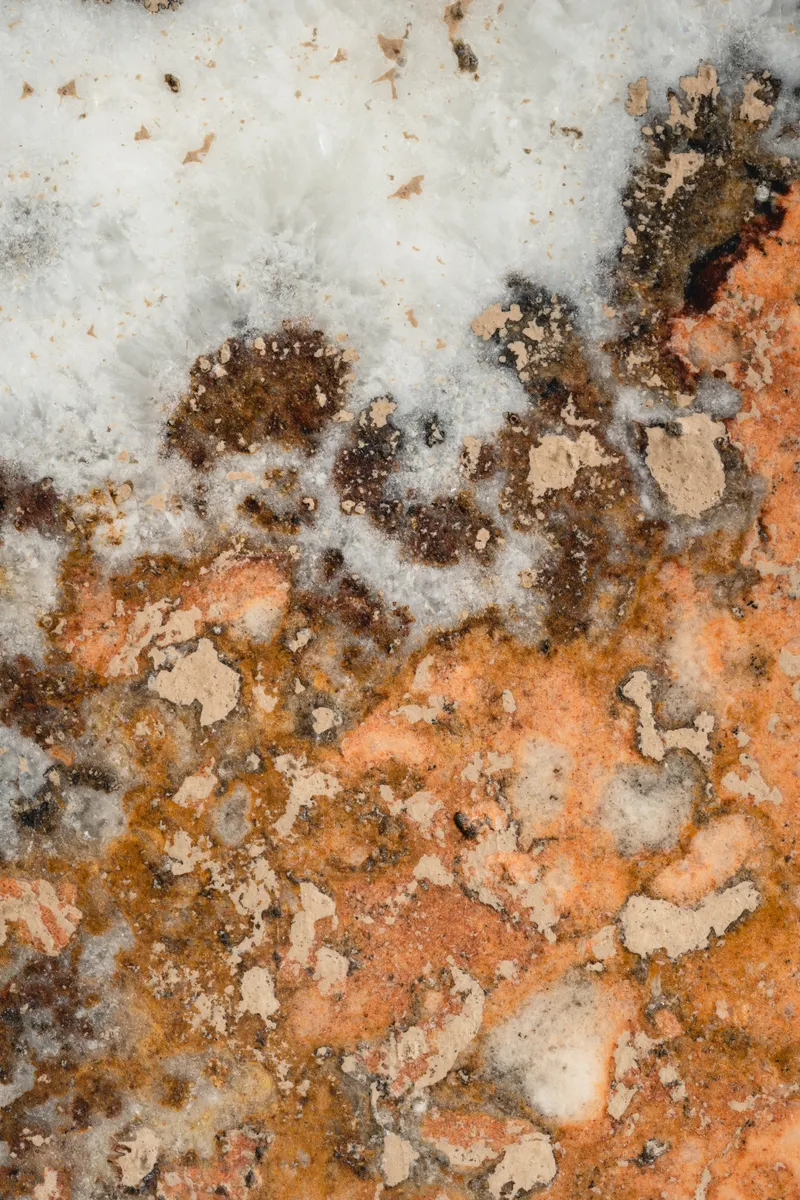
Photo Credit: Marina Leonova
Checking and Maintaining the Granite Sealant
A quick water test tells you whether your granite still has a working seal. Pour a small amount of water onto the countertop and watch what happens over 15 to 20 minutes.
- Water beads up or sits on the surface: the seal is doing its job.
- Water soaks in or darkens the stone: the seal has worn down and it's time to reseal.
Most granite countertops need resealing anywhere from once a year to once every few years, depending on the sealant product used, how much the counter is used, and how it was installed. There's no single fixed timeline that applies to every kitchen, so the water test is a more reliable guide than a calendar reminder.
Resealing is a straightforward DIY task with a penetrating stone sealer, applied according to the product's instructions, usually involving a thin coat wiped on, a wait time, then buffing off the excess. If you're not comfortable doing this yourself, or if the stone shows signs of heavier wear like dullness or noticeable staining, a professional stone care service can reseal and polish the surface. Professional granite cleaning and resealing costs vary quite a bit depending on your location, the size of the countertop, and the condition of the stone, so it's worth getting a local quote rather than expecting a fixed price.
Granite vs Quartz: Cleaning Differences That Matter
Granite and quartz look similar on the surface, but they're cleaned differently because of how each material is made. Quartz is an engineered stone, made mostly of ground quartz mixed with resin, and it isn't porous the way sealed granite can eventually become.
|
Factor |
Granite |
Quartz |
|
Sealing needed |
Yes, periodically |
No, non-porous by design |
|
Acid sensitivity |
High, avoid vinegar and citrus cleaners |
Lower, but still avoid strong acids |
|
Heat resistance |
Very good |
Good, but less heat tolerant than granite |
|
Daily cleaner |
Mild soap and water or pH-neutral stone cleaner |
Mild soap and water |
|
Risk of etching |
Higher if sealant is worn |
Lower overall |
If your kitchen has a mix of surfaces, or you're comparing the two materials before a renovation, the full Quartz Countertop Cleaning guide walks through quartz-specific care in more detail.

Photo Credit: Internet
How Often Should You Clean a Granite Countertop?
Wipe granite down daily after cooking or food prep, and give it a slightly deeper clean with a stone-safe cleaner once a week. Spills, especially oil, wine, or anything acidic, should be wiped up right away rather than left to sit. This routine is enough for most kitchens and doesn't require daily use of a dedicated stone cleaner, since mild soap and water handles most everyday mess just fine.
Frequently Asked Questions
What is the best way to clean granite countertops? Warm water with a few drops of mild dish soap, applied with a soft microfiber cloth and dried afterward, handles daily cleaning well. For a deeper weekly clean, use a pH-neutral stone cleaner made for natural stone.
How often should you clean granite countertops? Wipe daily after cooking, with a more thorough clean once a week using a stone-safe cleaner. Clean up spills immediately, especially oils and acidic foods.
What cleaning products are safe for granite countertops? Mild dish soap and water, along with cleaners specifically labeled safe for natural or sealed stone, are the safest choices. Avoid anything acidic, abrasive, or ammonia-based.
What should you avoid when cleaning granite countertops? Avoid vinegar, lemon juice, bleach, ammonia-based glass cleaners, and abrasive scouring pads. Never mix bleach with ammonia, vinegar, or other acidic products, since this can produce hazardous fumes.
How can you clean granite countertops without damaging them? Stick to soft microfiber cloths, mild or stone-specific cleaners, and gentle wiping motions. Keep the sealant in good condition through regular resealing and avoid letting acidic spills sit on the surface.
A Quick Note on Safety
Some products discussed here, including sealants and stone cleaners, should be used according to the manufacturer's label instructions, since formulas vary by brand. Never combine bleach with ammonia, vinegar, or other acidic cleaners, as this can release harmful fumes. Work in a well-ventilated kitchen when using any stone cleaner or sealant, and test a small, hidden area of the countertop first if you're trying a new product for the first time. If your granite shows deep staining, cracking, or a seal that won't hold after repeated attempts, a professional stone care specialist can assess the surface more accurately than a general cleaning guide can.
For more on caring for the rest of your kitchen surfaces, see the full kitchen cleaning guide.





Leave a Reply