

Granite composite sinks have become a popular choice for good reason: they resist scratches, hold up well to heat, and come in finishes that hide water spots better than stainless steel. But "resistant" doesn't mean indestructible, and this material has specific care needs that differ from natural stone, stainless steel, or fireclay. Granite composite sink cleaning done correctly keeps the surface looking rich and matte for years; done carelessly, it leads to dulling, mineral buildup, or a hazy film that's hard to fully remove. This guide is part of the Kitchen Sink & Faucet Cleaning Guide, and it covers exactly what this material needs, day to day and for deeper cleaning.
The Best Way to Clean a Granite Composite Sink
For everyday cleaning, wipe the sink with warm water and a soft sponge or cloth, using a few drops of mild dish soap for anything greasy. Rinse thoroughly and dry with a soft towel, since air-drying alone often leaves mineral spots behind, especially in areas with hard water. For a deeper weekly clean, a paste of baking soda and water applied with a soft brush lifts mineral buildup and light staining without scratching the composite surface. Avoid abrasive pads, bleach, and harsh acidic cleaners, all of which can dull the finish or damage the material over time.
That's the core routine. The rest of this guide explains what granite composite is actually made of, why that matters for cleaning choices, and how to handle the specific problems this material tends to develop.
What Is Granite Composite, and Why Does It Need Different Care?
Granite composite sinks are made from a blend of crushed natural granite (or sometimes quartz) mixed with acrylic or polyester resins, then molded into shape under heat and pressure. This creates a dense, non-porous surface that resists scratching and staining far better than natural stone alone, since the resin fills in the gaps between granite particles that would otherwise be vulnerable.
That resin content is the key difference from solid granite countertops. While the granite particles themselves are tough, the resin binding them together can be affected by harsh chemicals, prolonged heat exposure, or abrasive scrubbing in ways that solid stone isn't. This is why granite composite sink cleaning generally favors mild products and soft tools, even though the material feels rugged in daily use.
Daily Cleaning Routine
A short daily wipe-down prevents most of the buildup that leads to bigger cleaning problems later.
- Rinse the sink after each use, especially after washing greasy dishes or cutting boards.
- Wipe with a soft sponge or cloth, using warm water and a few drops of mild dish soap for anything with grease or food residue.
- Rinse thoroughly to remove any soap film, since leftover residue can dull the matte finish over time.
- Dry with a soft towel rather than letting the sink air-dry. This single step does more to prevent water spots and mineral buildup than almost anything else in the routine, particularly in homes with hard water.
This entire process takes about a minute or two once it becomes part of the after-dishes habit, and it's the single biggest factor in keeping a granite composite sink looking consistent over time.
Weekly Deep Clean for Granite Composite Sinks
Once a week, a slightly more thorough clean helps address mineral buildup, faint staining, and any grime that daily wiping doesn't fully catch.
- Clear the sink of dishes and any items sitting in the basin.
- Sprinkle baking soda directly onto the damp surface, covering areas with visible mineral spots or dullness.
- Add a small amount of water to form a paste, then use a soft-bristle brush or non-scratch sponge to work it gently over the surface, including the basin walls and around the drain.
- Let the paste sit for five to ten minutes on areas with noticeable buildup, giving it time to loosen mineral deposits without needing aggressive scrubbing.
- Rinse thoroughly with warm water, making sure no baking soda residue remains in corners or around the drain.
- Dry completely with a soft towel, checking that no water is left standing in low points of the basin.
This weekly routine handles the mineral spotting and light dulling that even careful daily cleaning can't fully prevent, particularly in households with harder water.
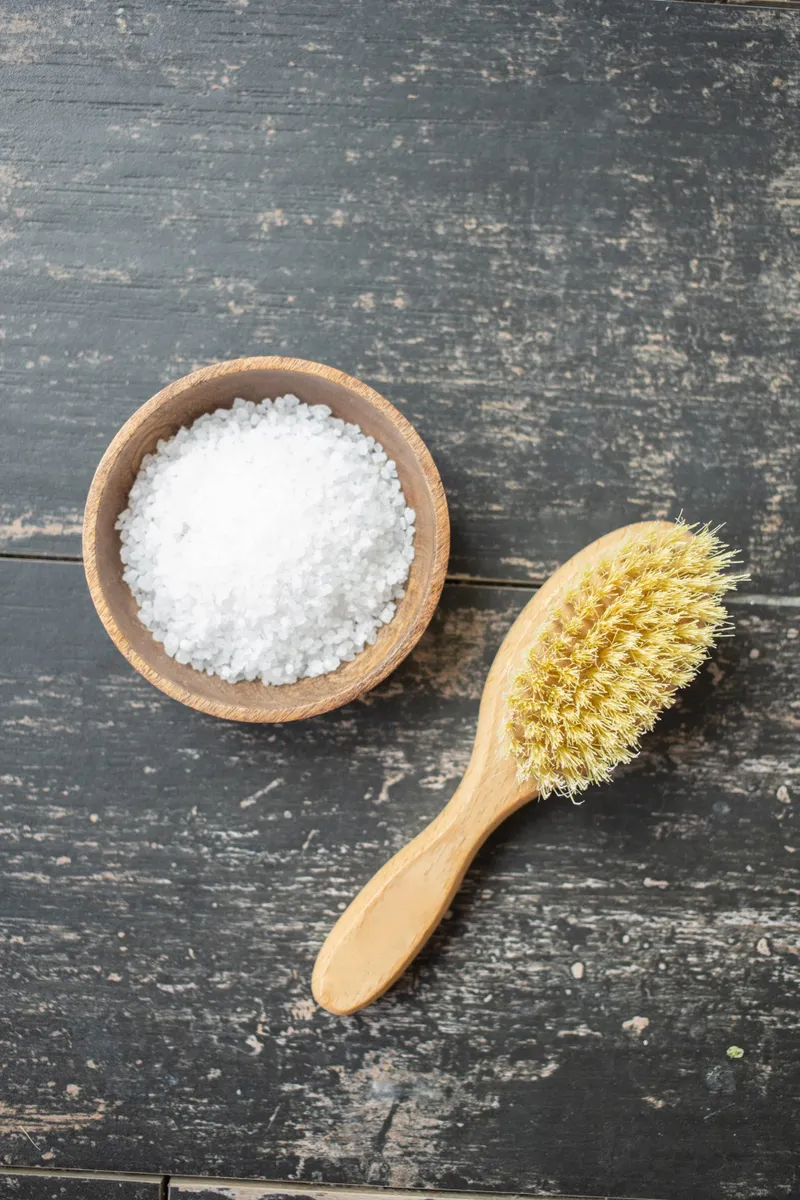
Photo Credit: Monstera Production
How to Tell If Your Granite Composite Sink Needs Cleaning
Most granite composite sinks show a few clear signs when they need more than the daily wipe-down.
- A hazy or dull film across the surface, usually from mineral deposits building up gradually with hard water
- White or chalky spots concentrated around the faucet base or drain, a common sign of mineral buildup in areas that stay wet longest
- A slightly sticky feel even after rinsing, which often points to soap residue that hasn't been fully rinsed away
- Faint discoloration in the basin, sometimes from food dyes, coffee grounds, or tea sitting against the surface for extended periods
None of these signs typically mean the sink is damaged. They're usually addressed with the baking soda paste method above, applied a bit more generously to the affected area and given slightly longer contact time before rinsing.
Cleaning Products: What Works and What to Avoid
Granite composite sinks tolerate a narrower range of products than stainless steel, and choosing the wrong one can lead to visible dulling or a compromised surface over time.
|
Product type |
Safe to use |
Notes |
|
Mild dish soap |
Yes |
Safe for daily cleaning, rinse thoroughly to avoid residue |
|
Baking soda |
Yes |
Effective for mineral spots and light staining, gentle on the resin surface |
|
Non-scratch sponge or soft brush |
Yes |
Ideal tool choice, avoids scratching the composite finish |
|
Vinegar (diluted) |
Use with caution |
Occasional light use for mineral spots is generally tolerated by most manufacturers, but frequent or undiluted use can wear down the resin over time; check manufacturer guidance first |
|
Bleach |
No |
Can discolor the surface and is not recommended by most granite composite manufacturers |
|
Abrasive powders or scouring pads |
No |
Scratches the composite surface, creating grooves where future grime collects |
|
Ammonia-based cleaners |
No |
Can degrade the resin binder with repeated use |
Vinegar deserves a closer note here, since it comes up often as a natural cleaning suggestion. Diluted vinegar used occasionally and rinsed promptly is tolerated by many granite composite sinks, but this varies by manufacturer, and frequent or prolonged acid exposure can affect the resin over time. If your sink came with manufacturer care instructions, those should take priority over general guidance, since formulations differ between brands.
Never mix bleach with vinegar, ammonia, or other acids. This combination produces hazardous fumes and has no place in sink cleaning regardless of the material involved.
Commercial Cleaner vs Natural Method
Both approaches work for granite composite sinks, and the choice often comes down to how much buildup you're dealing with and what's already in your kitchen.
|
Approach |
What it involves |
Best for |
Considerations |
|
Natural method (baking soda, mild soap) |
Household ingredients, gentle on the resin surface |
Everyday cleaning and routine mineral spot removal |
Requires slightly more manual effort for stubborn buildup |
|
Commercial granite composite cleaner |
Specialty products formulated for this exact material |
Heavier mineral buildup or restoring shine |
Check the label to confirm it's specifically rated for granite composite, not just "granite," since natural stone and composite have different sensitivities |
If choosing a commercial product, look specifically for one labeled safe for granite composite sinks rather than assuming a general granite or stone cleaner applies, since natural granite and granite composite don't always share the same chemical sensitivities.
Handling Stains and Discoloration
Coffee, tea, wine, and food dyes can leave faint discoloration on a granite composite sink if left sitting against the surface for extended periods. Because these sinks are non-porous, most surface staining lifts with the baking soda paste method described earlier, given a bit more contact time on the affected spot.
For staining that doesn't respond to this approach, or for a deeper explanation of stain types and removal techniques across different sink materials, the site's dedicated stain removal resources go into more depth than general kitchen cleaning guidance covers. Persistent or unusual discoloration that doesn't respond to gentle methods is also a reasonable point to check the manufacturer's care documentation, since some finishes have specific recommendations for stubborn marks.
Photo Credit: Magda Ehlers
What to Avoid When Cleaning a Granite Composite Sink
A handful of habits account for most of the damage or dulling seen on this material over time.
- Abrasive scouring pads or steel wool: these scratch the composite surface, and scratches trap dirt and become more visible over time
- Bleach: can cause discoloration and isn't recommended by most manufacturers for this material
- Letting standing water sit in the basin: contributes to mineral buildup, especially in hard water areas
- Skipping the drying step: air-drying alone often leaves water spots that a quick towel dry would prevent
- High heat exposure from pots pulled directly off the stove: while granite composite handles heat better than some materials, manufacturers often still recommend using a trivet or cooling rack rather than placing extremely hot cookware directly in the basin
- Undiluted or frequent vinegar use: occasional diluted use is typically fine, but repeated acid exposure can wear on the resin binder over time
If you're ever unsure whether a specific product is safe for your sink, testing it on a small, inconspicuous area first, like the back corner of the basin, is a reasonable precaution before applying it more broadly.
How Often Should You Clean a Granite Composite Sink?
Daily wiping after use, with a full dry-down, covers most of what this material needs to stay in good shape. A weekly deep clean with the baking soda paste method addresses mineral buildup before it becomes visible dulling. Households with harder water may find that mineral spots return faster, and increasing the frequency of the baking soda treatment to twice a week during that adjustment period usually keeps things under control without needing a stronger product.
Comparing Granite Composite to Other Sink Materials
Granite composite sits between natural stone and more industrial materials like stainless steel in terms of care needs. If you're deciding between sink types or already own a different material alongside a granite composite sink elsewhere in the kitchen, it helps to understand how the care routines differ.
Farmhouse sinks, often made from fireclay or a similar ceramic material, have their own specific cleaning considerations around their exposed front panel and larger basin size. The Farmhouse Sink Cleaning guide covers what that material needs, which differs meaningfully from the resin-based care approach used for granite composite.

Photo Credit: Curtis Adams
Don't Forget the Faucet
A sink cleaning routine isn't complete without attention to the faucet itself, since mineral buildup, soap scum, and grime collect on faucet surfaces just as readily as they do in the basin, sometimes faster given how often hands touch that area. Faucet finishes vary widely, from chrome to brushed nickel to matte black, and each has slightly different sensitivities to the products that work fine on a granite composite basin.
For a full breakdown of safe cleaning methods across different faucet finishes, the Kitchen Faucet Cleaning guide covers this in more detail, since faucet hardware often needs a different approach than the sink material itself.
Frequently Asked Questions
What is the best way to clean a granite composite sink? Wipe daily with warm water, mild dish soap, and a soft sponge, then dry completely with a towel. For weekly deeper cleaning, a baking soda paste applied with a soft brush lifts mineral buildup without scratching the surface.
How often should you clean a granite composite sink? Wipe and dry after each use, with a more thorough baking soda deep clean once a week. Increase the deep clean to twice a week if hard water causes mineral spots to return quickly.
What cleaning products are safe for a granite composite sink? Mild dish soap, baking soda, and non-scratch sponges are all safe choices. Diluted vinegar can be used occasionally for mineral spots, though frequent use may affect the resin binder over time, so check manufacturer guidance if available.
What should you avoid when cleaning a granite composite sink? Avoid bleach, abrasive scouring pads, ammonia-based cleaners, and letting water stand in the basin. Also avoid placing extremely hot cookware directly in the basin without a trivet, since manufacturer guidance often recommends against it despite the material's general heat resistance.
How can you clean a granite composite sink without damaging it? Stick to soft tools and mild products, dry the sink after every use, and reserve stronger cleaning for occasional mineral buildup rather than routine use. Test any new product on a small area first if you're unsure how it will react.
A Quick Note on Safety
Granite composite sink cleaning relies mostly on mild, low-risk products like dish soap and baking soda, but a few precautions are worth keeping in mind. Never mix bleach with vinegar, ammonia, or other acids, since this produces hazardous fumes regardless of sink material. If using a commercial granite composite cleaner, follow the label instructions for dilution and contact time, and check that the product is specifically rated for this material rather than assuming a general stone cleaner applies. Work in a ventilated space when using any stronger cleaning product, and refer to your sink manufacturer's care documentation when available, since specific formulations can vary between brands.
For more on keeping the rest of your kitchen clean, check out the full kitchen cleaning guide.





Leave a Reply