
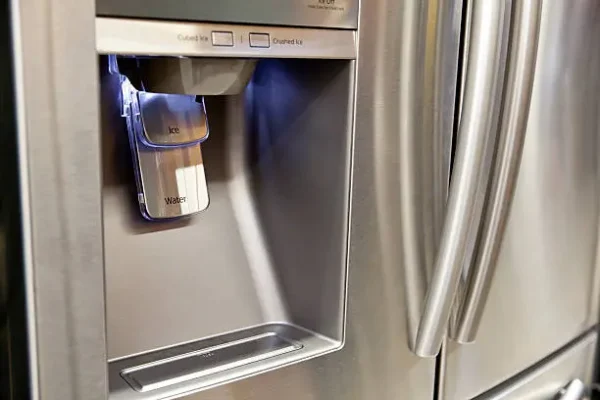
A refrigerator's water dispenser and ice maker get used constantly, often multiple times a day, yet they're one of the least-cleaned parts of the kitchen simply because they're mostly out of sight. Water sitting in internal lines, combined with the dark, cool environment inside the unit, creates conditions where mineral deposits, mold, and bacteria can build up over time even though the appliance looks perfectly clean from the outside. Refrigerator ice maker cleaning, along with the dispenser that shares many of the same components, is worth doing on a regular schedule rather than waiting until ice starts tasting off or the dispenser slows down. This guide is part of the Refrigerator Cleaning Guide, and it covers how to clean both components safely, what products are appropriate, and how to recognize when a deeper clean is overdue.
The Best Way to Clean a Refrigerator Water Dispenser and Ice Maker
Start by unplugging the refrigerator or switching off the ice maker function, then remove the ice bin and empty out any existing ice. Wash the bin with warm water and mild dish soap, rinse thoroughly, and let it air dry completely before placing it back. Wipe down the dispenser nozzle, drip tray, and surrounding area with a solution of warm water and a small amount of white vinegar, since this combination is generally effective against mineral buildup without introducing harsh chemicals near food and ice. For the internal water line and ice maker mechanism itself, most manufacturers recommend a dedicated descaling or cleaning cycle, which varies by model, so checking the appliance's manual before attempting a deeper internal clean is the safer approach.
That covers the routine version of this task. The sections below go into the ice bin, the dispenser components, water filters, and how to recognize when something beyond routine cleaning is needed.
Why This Task Gets Overlooked, and Why It Matters
Ice makers and water dispensers sit inside a dark, consistently cool environment, which sounds like it should discourage buildup, but stagnant water in internal lines and trays can still support mold and mineral deposits over time, especially if the system isn't used often or if the water supply has a high mineral content. Because everything looks clean on the surface, this part of the refrigerator often gets skipped during general kitchen cleaning, even though it directly touches drinking water and ice.
A dispenser or ice maker that hasn't been cleaned in a long time can develop a musty smell, a slightly off taste in the water or ice, or visible buildup in the ice bin or around the nozzle. None of this typically indicates a serious problem, but addressing it early is simpler than waiting for buildup to become more stubborn.
Cleaning the Ice Bin and Dispenser Area
- Turn off the ice maker using the control panel or switch, and unplug the refrigerator if you'll be working near the dispenser mechanism itself rather than just the bin.
- Remove the ice bin and empty any remaining ice into the sink or trash.
- Wash the bin with warm water and a few drops of mild dish soap, using a soft brush or cloth to reach into corners where ice can compact and stick.
- Rinse thoroughly to remove all soap residue, since leftover soap can affect the taste of ice made afterward.
- Let the bin air dry completely before placing it back. Any leftover moisture can cause new ice to clump together once the bin is refilled.
- Wipe the dispenser nozzle, drip tray, and surrounding panel with a cloth dampened in a mild vinegar and water solution (roughly one part vinegar to three parts water), which helps address mineral spots without introducing a harsher chemical near food-contact surfaces.
- Dry the exterior dispenser area with a clean cloth, then turn the ice maker back on and plug the refrigerator back in if it was unplugged.
This routine takes about 20 to 30 minutes and covers the parts of the system a homeowner can safely access without disassembling the ice maker mechanism itself.
Photo Credit: Orhan Akbaba
Cleaning the Water Line and Filter
Most refrigerators with a water dispenser use a filter that should be replaced according to the manufacturer's recommended schedule, typically found in the appliance's manual or on the filter housing itself. A filter that's overdue for replacement can contribute to a musty taste or reduced water flow, separate from any dispenser cleaning issue.
Beyond filter replacement, some manufacturers offer a specific descaling or sanitizing cycle for the internal water line, often triggered through the appliance's control panel. This process typically uses a manufacturer-approved descaling solution rather than a household product like vinegar, since the internal line and valve components can be more sensitive than the external bin and tray. Because this varies significantly between brands and models, checking your specific refrigerator's manual before attempting an internal descale is the safer approach rather than assuming a general household method applies.
What Cleaning Products Are Safe for Ice Makers and Dispensers?
A narrow set of products covers what this task actually needs, and it's worth being cautious about anything beyond this list given how close these components sit to drinking water and ice.
- Mild dish soap and water: safe for washing the removable ice bin and any external dispenser components
- Diluted white vinegar (roughly one part vinegar to three parts water): effective for mineral spots on the exterior dispenser area, nozzle, and drip tray
- Manufacturer-approved descaling solution: the appropriate choice for internal water line cleaning cycles, following the specific product and process outlined in your refrigerator's manual
- Soft cloth or soft-bristle brush: appropriate for reaching into bin corners and around the dispenser nozzle without scratching plastic components
Avoid bleach entirely in this context. Bleach isn't recommended for ice maker or dispenser cleaning by most manufacturers, since residue can linger in plastic components and end up in ice or water. Never mix bleach with vinegar or any other cleaning product, regardless of where it's being used in the kitchen, since this combination produces hazardous fumes.
Commercial Cleaner vs Natural Method
For the parts of the system a homeowner can safely access, both approaches have a place depending on how much buildup is involved.
|
Approach |
What it involves |
Best for |
Considerations |
|
Natural method (dish soap, diluted vinegar) |
Washing the bin by hand and wiping the dispenser area with a mild vinegar solution |
Routine cleaning of the ice bin, nozzle, and drip tray |
Handles most buildup without introducing stronger chemicals near ice and water |
|
Manufacturer descaling cycle or approved solution |
A built-in cleaning cycle or specific product recommended by the appliance manufacturer |
Internal water line buildup or when the manual specifically calls for this method |
Check the manual first, since using the wrong product internally can affect components not designed for household cleaners |
|
Professional appliance service |
A technician inspects and cleans the internal ice maker mechanism and water line |
Persistent odor, mold, or buildup that doesn't resolve with routine cleaning |
Costs vary by region and appliance type, but a basic ice maker cleaning or inspection service commonly falls in a modest service-call range; get a quote before booking since pricing depends on your specific refrigerator model and local rates |
For most households, the natural method paired with regular filter replacement covers what's needed. A manufacturer's descaling cycle or professional service becomes more relevant when odor or buildup persists despite consistent routine cleaning.
How to Tell If Your Ice Maker or Dispenser Needs Cleaning
A few signs point to needing more than the usual routine wipe-down.
- A musty or stale smell coming from the ice bin or dispenser area, even after emptying and rinsing the bin
- Ice that tastes slightly off or has an unusual smell, which often points to either an overdue filter or buildup somewhere in the system
- Visible mineral spots or a chalky film around the dispenser nozzle, a sign that a more thorough exterior wipe-down is due
- Ice clumping together or forming irregular shapes, which can sometimes indicate moisture sitting in the bin between uses
- Slower water flow from the dispenser than usual, which may point to a filter needing replacement rather than a cleaning issue specifically
None of these signs typically indicate anything serious, and most respond well to the routine cleaning steps covered above, combined with checking whether the water filter is due for replacement.
Photo Credit: Lena Ti
What to Avoid When Cleaning an Ice Maker or Dispenser
A handful of mistakes account for most of the problems people run into with this task.
- Using bleach anywhere in the ice maker or dispenser system: not recommended by most manufacturers due to residue concerns in components that contact ice and water
- Mixing vinegar with bleach or ammonia-based products: this produces hazardous fumes and should never happen regardless of the cleaning task
- Attempting to disassemble the internal ice maker mechanism without manufacturer guidance: this can void a warranty or cause damage that a simple exterior clean wouldn't otherwise risk
- Skipping filter replacement: even a perfectly cleaned dispenser can produce off-tasting water if the filter itself is overdue
- Placing a wet ice bin back into the freezer: this often causes new ice to clump or stick together, undoing much of the point of cleaning it in the first place
If your appliance manual explicitly recommends a specific product or cleaning cycle for your model, that guidance takes priority over general household methods, since manufacturers design these systems with specific materials and tolerances in mind.
How Often Should You Clean an Ice Maker and Dispenser?
Washing the ice bin and wiping the dispenser area every one to two months covers routine maintenance for most households. Water filters typically need replacement every six months, though this varies by manufacturer and household water usage, so checking your specific filter's guidance is worth doing rather than assuming a universal timeline. If odor, taste issues, or visible buildup appear before your next scheduled clean, addressing it right away is more effective than waiting for the regular routine to catch up.
Other Refrigerator Maintenance Worth Pairing With This Task
Since you're already working around the refrigerator's internal components, it's a reasonable time to check a few related areas that tend to get overlooked alongside the ice maker. The drip pan, which collects condensation and occasional spills from the defrost cycle, can develop odor or mold if left unchecked for long stretches. The Refrigerator Drip Pan Cleaning guide covers how to locate and clean this component, which sits in a different spot depending on the refrigerator model.

Photo Credit: RDNE Stock project
If your freezer section has visible frost buildup or hasn't been fully cleaned in a while, that's worth addressing separately as well, since a full freezer clean and defrost involves different steps than the ice maker system alone. The Freezer Cleaning & Defrosting guide walks through that process, including how to handle food safely during a full defrost.
Frequently Asked Questions
What is the best way to clean a refrigerator water dispenser and ice maker? Wash the removable ice bin with mild dish soap and water, wipe the dispenser nozzle and drip tray with a diluted vinegar solution, and let everything dry fully before reassembling. Follow manufacturer guidance for any internal descaling cycle.
How often should you clean a refrigerator water dispenser and ice maker? Clean the bin and dispenser area every one to two months, and replace the water filter roughly every six months or according to the manufacturer's specific schedule.
What cleaning products are safe for a refrigerator water dispenser and ice maker? Mild dish soap and diluted white vinegar cover most routine cleaning. Use a manufacturer-approved descaling solution for internal water line cleaning rather than a general household product.
What should you avoid when cleaning a refrigerator water dispenser and ice maker? Avoid bleach anywhere in the system, never mix vinegar with bleach or ammonia, and avoid disassembling the internal ice maker mechanism without manufacturer guidance.
How can you clean a refrigerator water dispenser and ice maker without damaging them? Stick to mild, manufacturer-approved products, let all components dry fully before reassembling, and check your appliance's manual before attempting any internal cleaning cycle beyond the exterior bin and dispenser area.
A Quick Note on Safety
Cleaning a refrigerator's water dispenser and ice maker involves components that directly contact drinking water and ice, so product choice matters more here than in general kitchen cleaning. Avoid bleach in this system entirely, and never mix vinegar with bleach or ammonia-based products, since this produces hazardous fumes. Always check your refrigerator's manual before attempting an internal descaling cycle, since manufacturer instructions take priority over general household methods for this specific component. If odor, mold, or buildup persists despite regular cleaning, a qualified appliance technician can inspect the internal mechanism further.
For more on keeping the rest of your kitchen clean, read the full kitchen cleaning guide.





Leave a Reply