
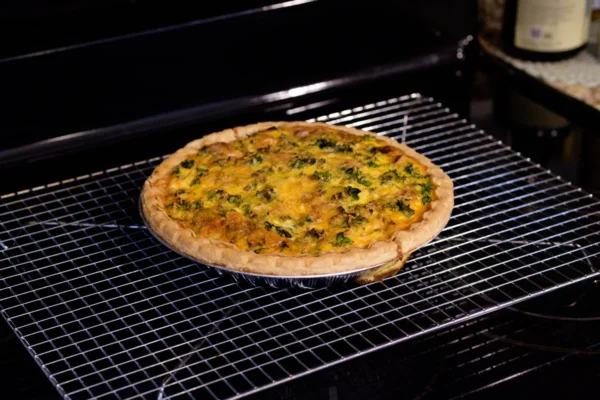
Oven racks take a beating every time something bubbles over, drips down, or bakes onto the metal at high heat. Because they sit inside a hot oven for hours at a time, buildup on oven racks tends to bake on harder than grease anywhere else in the kitchen. Cleaning oven racks properly means loosening that baked-on residue first, rather than trying to scrub it off dry, which rarely works and can scratch the metal.
This guide covers how to tell when racks need attention, the best methods for different levels of buildup, and which products are safe to use on most rack finishes. It's part of the Oven & Stovetop Cleaning Guide, which covers the rest of the oven, including the door glass and interior surfaces.
The Best Way to Clean Oven Racks (Quick Answer)
For most oven racks, this approach works well:
- Remove the racks and soak them in warm water with dish soap or a baking soda paste.
- Let them sit for at least an hour, or longer for heavy buildup.
- Scrub with a non-abrasive sponge or brush, focusing on baked-on spots.
- Rinse thoroughly and dry before placing them back in the oven.
Soaking is the step that makes the biggest difference. Trying to scrub baked-on grease without loosening it first usually just moves grime around instead of removing it.
How to Tell When Oven Racks Need Cleaning
A light dusting of flour or a few crumbs isn't usually cause for concern, but a few signs suggest it's time for a proper clean:
- Visible dark, sticky residue on the underside or edges of the racks, often from drips that baked on during previous use.
- A burning smell when the oven heats up, which often means grease or food residue is heating and smoking.
- Smoke visible around the racks during preheating, a clear sign that buildup has reached a point where it's affecting the oven's performance.
- A rough or gritty feel when running a hand along the metal, which usually means carbonized grease has built up in layers.
If you're noticing smoke or a burning smell regularly, it's worth cleaning the racks sooner rather than waiting for a scheduled deep clean, since that residue can affect food flavor and, in some cases, trigger a smoke alarm.
What You'll Need
Most of what's needed for this task is already in the kitchen:
- Dish soap
- Baking soda
- White vinegar
- A non-abrasive sponge or soft scrub brush
- An old towel to protect the sink or tub
- Rubber gloves
- A bathtub, large sink, or another basin big enough to soak full-size racks
Avoid steel wool or metal scouring pads on racks with a non-stick or enamel-style coating, since these can scratch the finish. A plain, non-coated wire rack can usually tolerate a bit more scrubbing pressure, but it's still worth starting gentle and increasing pressure only as needed.
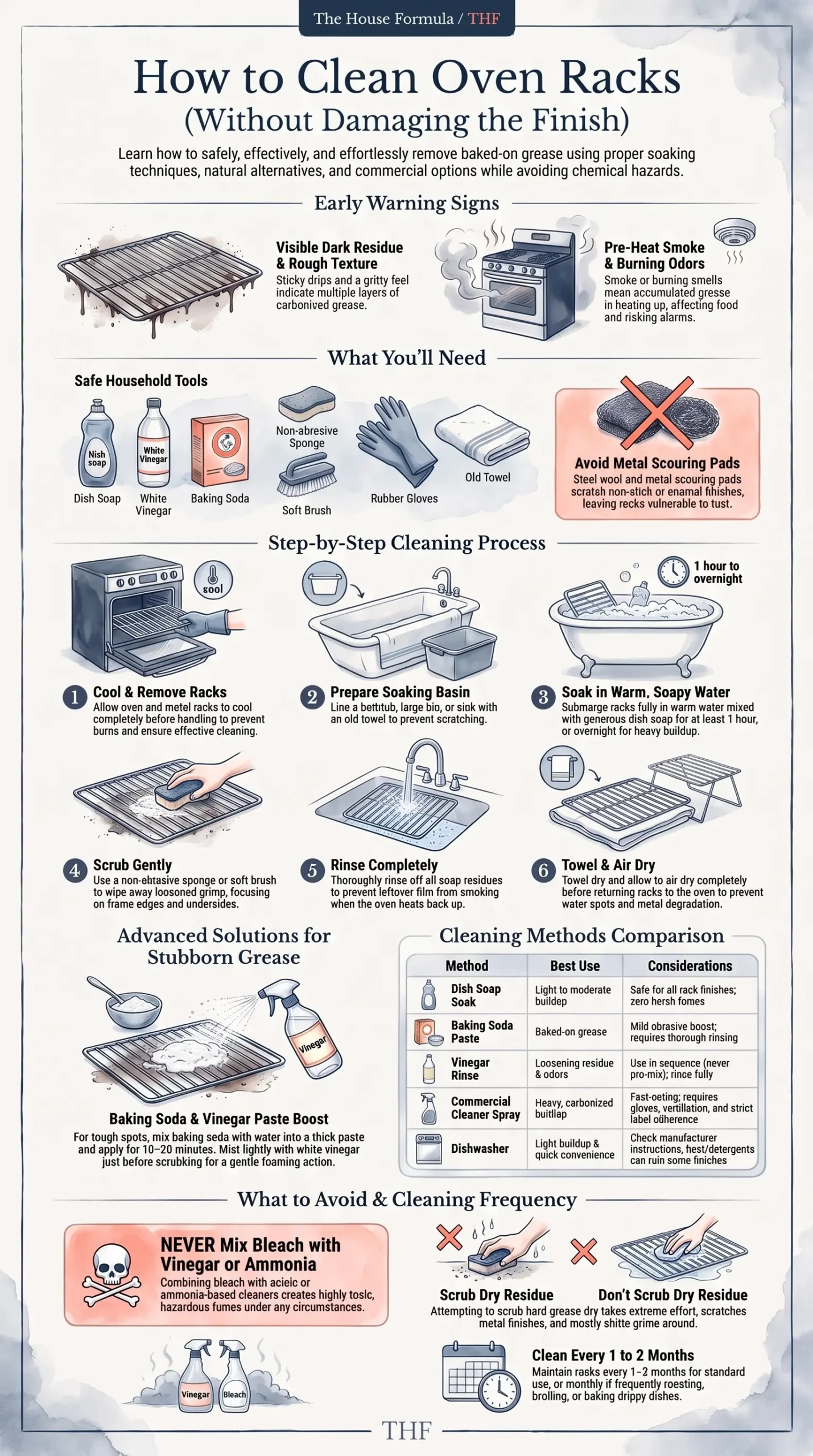
Photo Credit: Hobby Guidebook Editorial
Step-by-Step: Cleaning Oven Racks
Step 1: Remove the racks from the oven. Let the oven cool completely first. Handling hot metal racks is a burn risk, and soap and water on still-warm metal won't clean effectively anyway.
Step 2: Choose a soaking spot. A bathtub lined with an old towel works well for full-size racks, since it gives enough room to submerge them completely. A large sink or a plastic storage bin can work for smaller racks or toaster oven racks.
Step 3: Soak in warm, soapy water. Fill the tub or basin with warm water and a generous amount of dish soap. Submerge the racks fully and let them sit for at least an hour. For heavier buildup, soaking overnight loosens grime significantly and makes the scrubbing step much easier.
Step 4: Scrub with a non-abrasive sponge. After soaking, most residue should wipe away with light to moderate scrubbing. Focus on baked-on spots along the edges and undersides, where drips tend to collect and harden.
Step 5: Rinse thoroughly. Rinse each rack completely to remove all soap residue. Leftover soap can create a filmy residue that smokes when the oven heats up again.
Step 6: Dry completely before returning racks to the oven. Towel dry, then let the racks air dry fully. Placing damp racks back into a hot oven isn't a safety hazard, but it can leave water spots and doesn't do the metal any favors over time.
Vinegar and Baking Soda for Baked-On Grease
For racks with stubborn, baked-on grease that soap and water alone doesn't fully clear, a baking soda paste adds a mild abrasive boost without the risk of scratching that comes with steel wool.
Mix baking soda with a small amount of water until it forms a thick paste, then spread it directly onto the baked-on spots. Let it sit for 15 to 20 minutes, then scrub with a non-abrasive sponge. The baking soda helps lift carbonized residue that plain soap struggles to break down on its own.
White vinegar can be used alongside baking soda, but not mixed directly into a paste in a sealed container, since the combination fizzes and is more useful applied in sequence than combined ahead of time. A common approach is applying the baking soda paste first, letting it sit, then spraying a light mist of vinegar over it just before scrubbing, which creates a bit of gentle foaming action that helps loosen the grime further. Rinse thoroughly afterward to remove all residue from both products.
Avoid combining either of these with bleach or ammonia-based oven cleaners. Bleach mixed with vinegar or ammonia produces hazardous fumes, and this combination should never happen under any circumstance, even accidentally.
Soaking Longer for Heavier Buildup
For racks that haven't been cleaned in a long time, or that have thick, carbonized layers built up from repeated spills, a single hour of soaking sometimes isn't enough. Extending the soak, using a stronger dish soap solution, or repeating the soak and scrub cycle a second time often does the job without needing anything harsher.
This extended approach, including specific soak times for different levels of buildup and how to handle racks too large for a standard sink, is covered in more detail in our guide on the Soaking Method for Oven Racks, which walks through the process for racks that need more than a quick wash.
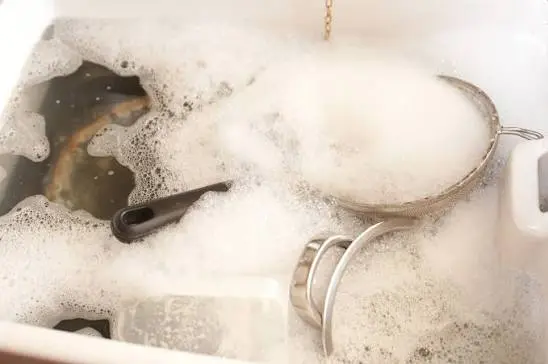
Photo Credit: Internet
Commercial Cleaner vs. Natural Method
Both approaches work, and the right choice depends on how much buildup you're dealing with and how much time you have.
|
Method |
Best Use |
Considerations |
|
Dish soap soak |
Light to moderate buildup |
Gentle on all rack finishes, no fumes |
|
Baking soda paste |
Baked-on grease |
Mild abrasive, safe with a good rinse |
|
Vinegar rinse |
Loosening residue, light odor |
Rinse thoroughly, don't combine with bleach |
|
Commercial oven cleaner spray |
Heavy, carbonized buildup |
Follow label instructions closely; often requires ventilation and gloves |
|
Dishwasher (if rack fits and is dishwasher-safe) |
Light buildup, quick convenience |
Check manufacturer guidance first; not all racks are dishwasher-safe |
Commercial oven cleaners can cut through heavy, carbonized buildup faster than a soap soak, but many contain strong alkaline chemicals that require gloves, ventilation, and careful rinsing. Always follow the product label exactly, since these cleaners vary significantly in strength and application method. For racks with a non-stick or specialty coating, check the label or manufacturer guidance before using a commercial oven cleaner, since some coatings aren't compatible with harsh degreasing chemicals.
What to Avoid When Cleaning Oven Racks
- Steel wool or metal scouring pads on coated racks. These can scratch through non-stick or enamel finishes, leaving the rack more prone to future buildup.
- Scrubbing dry, baked-on residue without soaking first. This takes far more effort and often just spreads the residue rather than removing it.
- Combining bleach with vinegar or ammonia-based oven cleaners. This produces hazardous fumes and should never be done.
- Skipping the rinse step. Leftover soap or baking soda residue can smoke slightly when the oven heats back up.
- Assuming every rack is dishwasher-safe. Some finishes can be damaged by dishwasher detergent or heat, so it's worth checking manufacturer guidance first.
- Placing racks back in a still-warm oven. Wait until the oven and racks have both cooled before starting the cleaning process.
While the racks are out for cleaning, it's also a convenient time to check the oven door glass, since baked-on splatter tends to build up on both surfaces around the same schedule. Our guide on Oven Door Glass Cleaning covers safe methods for the glass, which needs a slightly different approach than the metal racks.
How Often Should You Clean Oven Racks
Most households benefit from cleaning oven racks every one to two months, depending on how often the oven is used and how messy the cooking tends to be.
Ovens used for high-heat roasting, broiling, or frequent baking with drippy dishes tend to build up residue faster and may need attention closer to once a month. Lighter or less frequent oven use can often stretch this interval to every two to three months without noticeable buildup.
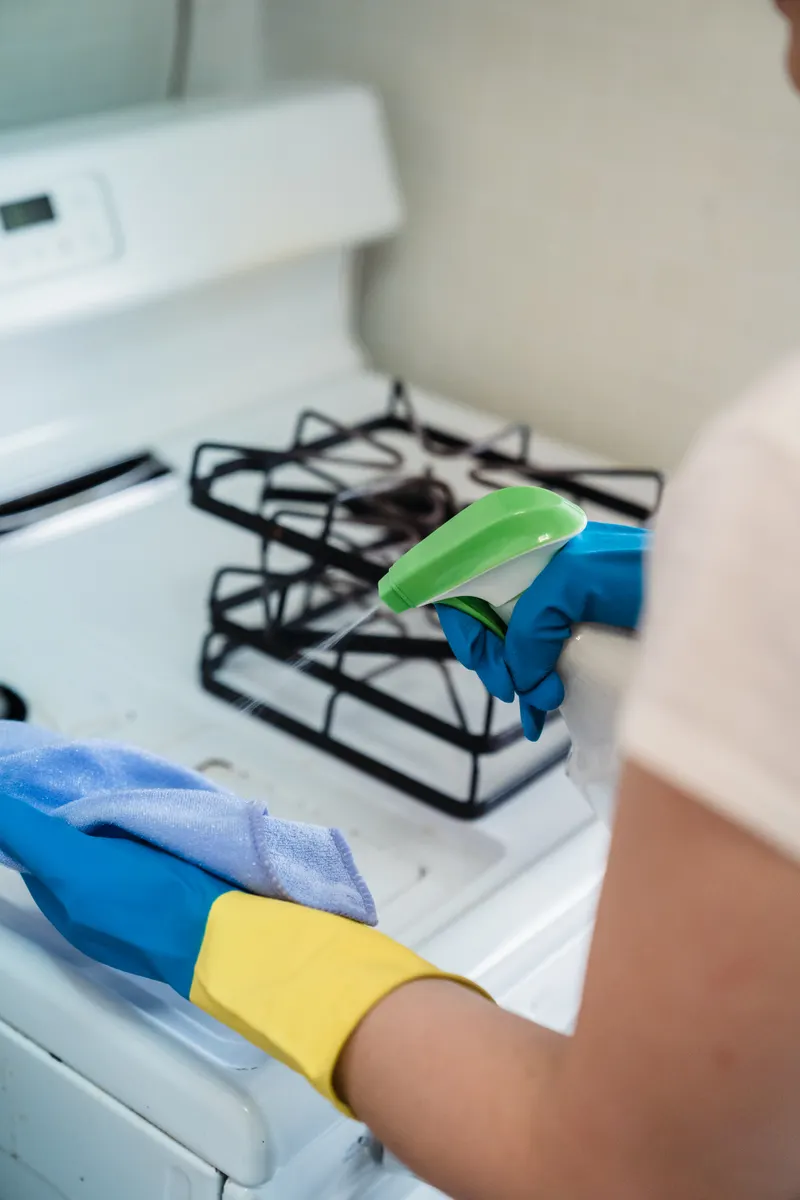
Photo Credit: Liliana Drew
FAQ
What is the best way to clean oven racks? Soak them in warm, soapy water or a baking soda paste for at least an hour, scrub gently with a non-abrasive sponge, then rinse thoroughly and dry before returning them to the oven.
How often should you clean oven racks? Every one to two months works for most households, with more frequent cleaning needed for ovens used often for roasting or broiling.
What cleaning products are safe for oven racks? Dish soap, baking soda, and diluted white vinegar are safe for most rack finishes. Commercial oven cleaners work for heavy buildup but should be used exactly as labeled, with gloves and ventilation.
What should you avoid when cleaning oven racks? Avoid steel wool on coated racks, combining bleach with vinegar or ammonia, and scrubbing dry residue without soaking first.
How can you clean oven racks without damaging them? Use non-abrasive sponges, soak before scrubbing rather than forcing residue off dry, and check manufacturer guidance before using a dishwasher or commercial cleaner on coated racks.
For more oven and stovetop care, check out the full kitchen cleaning guide for additional room-by-room instructions.
A quick safety note: always check manufacturer instructions before using a commercial oven cleaner on coated or specialty-finish racks, and use gloves and ventilation as the product label directs. Never combine bleach with vinegar or ammonia-based cleaners, since this can produce hazardous fumes. Let the oven and racks cool fully before handling to avoid burns.





Leave a Reply