
Your kitchen countertop works harder than almost any other surface in your home. It holds hot pans, raw meat, spilled coffee, and everyday clutter, often all in the same afternoon. Regular kitchen countertop cleaning keeps that surface safe for food prep and helps it last for years without scratches, dull spots, or stains. This guide walks through the full process, from quick daily wipes to deeper cleaning, so you know exactly what to do no matter what your counter is made of. Back to the complete kitchen cleaning guide for tasks beyond this one.
What Is the Best Way to Clean a Kitchen Countertop?
The safest general method works for most sealed countertop materials:
- Clear the surface and remove crumbs or debris.
- Wipe with warm water and a few drops of mild dish soap.
- Rinse with a clean, damp cloth to remove soap residue.
- Dry with a soft towel to prevent water spots and streaking.
This basic routine is gentle enough for daily use and strong enough to handle most everyday messes. Deeper cleaning or disinfecting steps are covered further down, along with the differences between countertop materials.
How Often Should You Clean Kitchen Countertops?
Countertops need attention more often than most kitchen surfaces because they touch food directly. A simple wipe-down after every meal removes crumbs, grease, and moisture before they can attract bacteria or pests. Beyond that quick daily habit, a slightly deeper clean once or twice a week helps keep the surface looking fresh and prevents buildup around edges, seams, and backsplash lines.
Kitchens that see heavy cooking, kids, or pets may need more frequent cleaning. Disinfecting is a separate step from basic cleaning and is not needed every single time you wipe the counter. It matters most after handling raw meat, poultry, seafood, or eggs, since these foods can leave bacteria behind even after a quick soap-and-water wipe.
What You Need Before You Start
Having the right supplies on hand makes kitchen countertop cleaning faster and reduces the chance of grabbing something too harsh for your surface. A basic kit covers almost every situation:
- Mild dish soap
- Warm water
- Microfiber cloths or soft sponges
- A soft-bristle brush for grooves or seams
- A pH-neutral all-purpose cleaner, if you want something stronger than soap and water
- Disinfecting wipes or a diluted disinfectant labeled for kitchen use, when needed
- A dry towel for finishing
Avoid abrasive scrub pads, steel wool, and rough scouring powders unless your countertop manufacturer specifically says they are safe. These tools can dull finishes, create fine scratches, and leave a surface looking worn over time, even on materials that seem tough.
Step-by-Step Kitchen Countertop Cleaning Guide
This routine works as a dependable kitchen countertop cleaning step-by-step guide for most sealed surfaces. If you have a specific material like granite or quartz, check the material-specific guidance further down before using anything beyond mild soap and water.
- Clear the counter. Remove appliances, dishes, and clutter so you can reach the entire surface, including corners and edges near the backsplash.
- Do a dry sweep. Use a dry cloth or brush to remove loose crumbs and debris. Wiping a wet cloth over crumbs first just turns them into a sticky paste.
- Apply a mild cleaner. Mix a few drops of dish soap with warm water, or use a pH-neutral all-purpose spray. Apply it to a cloth rather than spraying directly onto the counter, especially near seams or unsealed edges where liquid could seep in.
- Wipe in sections. Work across small areas at a time using light, even pressure. This helps you catch spots you might miss if you try to clean the whole counter in one pass.
- Address stuck-on spots. For dried food or light grease, let a damp cloth sit on the spot for a minute or two before wiping again. Avoid scraping with anything sharp, since this can scratch the surface.
- Rinse thoroughly. Wipe the counter again with a clean, damp cloth to remove all soap residue. Leftover soap can leave a dull film over time.
- Dry completely. Use a soft towel to dry the surface. This step matters more than people expect, since standing water can seep into seams, dull certain finishes, or leave water spots on darker surfaces.
- Disinfect if needed. After handling raw meat, poultry, or eggs, follow up with a disinfectant labeled safe for kitchen countertops. Let it sit for the contact time listed on the product label before wiping it away, since disinfectants generally need a few minutes of dwell time to actually work.
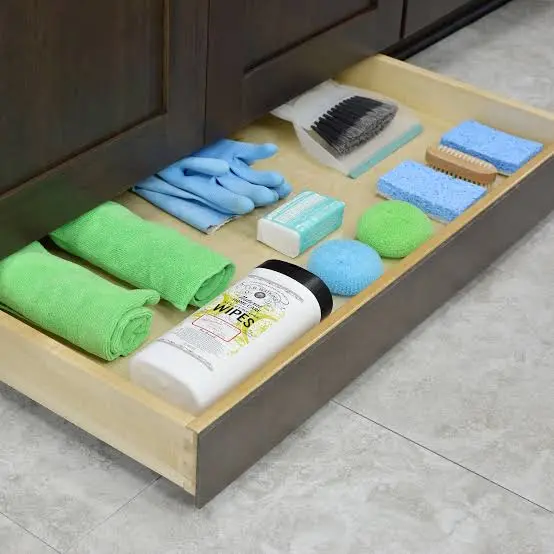
Photo Credit: Internet
Following these steps in order matters more than most people realize. Skipping the dry sweep, for example, often leads to a gritty feeling on the counter even after it has technically been "cleaned." Skipping the final drying step is one of the most common reasons countertops develop cloudy spots or faint water rings near the sink and stove.
Material Matters: Know Your Countertop Before You Clean
Not every countertop responds to cleaning products the same way. Some materials are naturally more porous and need sealing, while others are nearly nonporous and more resistant to stains. Knowing your material helps you avoid products that could dull, etch, or discolor the surface.
|
Material |
Best Basic Cleaner |
Avoid |
General Notes |
|
Granite |
Mild soap and water, or a stone-safe cleaner |
Vinegar, lemon juice, ammonia-based cleaners |
Porous stone that needs periodic sealing |
|
Quartz |
Mild soap and water |
Harsh acids, bleach in high concentration |
Nonporous engineered surface, does not need sealing |
|
Laminate |
Mild soap and water |
Abrasive scrub pads, strong solvents |
Can scratch or dull with rough tools |
|
Butcher block/wood |
Mild soap, minimal water |
Soaking, dishwasher-strength cleaners |
Needs oiling to stay sealed |
|
Stainless steel |
Mild soap and water, or a stainless-safe cleaner |
Steel wool, bleach |
Can scratch and show streaks easily |
Because stone and engineered surfaces have their own specific care needs, this guide keeps material depth light on purpose. For a closer look at sealing, stain prevention, and product safety on natural stone, see Granite Countertop Cleaning. If your kitchen has an engineered surface, Quartz Countertop Cleaning covers what makes quartz different from stone and how to keep it looking new.
Deep Cleaning and Disinfecting Countertops
A basic wipe-down handles daily messes, but countertops benefit from a deeper clean every week or two, especially around the sink, stove, and any spot where food prep happens regularly. Deep cleaning targets buildup that a quick wipe tends to miss, like grease film near the stove or grime that collects in grout lines and seams.
For general deep cleaning, a paste made from baking soda and a small amount of water can lift light grease and grime on many sealed surfaces. Apply it gently with a soft cloth, let it sit for a few minutes, then wipe clean and dry. Always test a small, hidden area first, since some finishes react differently to baking soda than others.
Disinfecting is a separate task from cleaning, even though the two often get mixed up. Cleaning removes visible dirt and grease. Disinfecting reduces germs and bacteria that you cannot see. After prepping raw meat, poultry, seafood, or eggs, clean the surface first, then apply a disinfectant labeled for kitchen countertop use. Follow the contact time on the label exactly, since wiping it away too soon reduces how well it works.
Photo Credit: Internet
Never mix cleaning products unless you know for certain the combination is safe. Bleach should never be combined with ammonia, vinegar, or other acidic cleaners, since this can create dangerous fumes. If you use a bleach-based disinfectant, rinse the surface with clean water afterward before applying any other product, and make sure the kitchen has good airflow while you work.
What to Avoid When Cleaning Kitchen Countertops
A few habits cause more long-term damage than people expect, even when the intention is just to get the counter clean.
- Using abrasive pads or steel wool on finished surfaces, which can create fine scratches that trap dirt over time.
- Applying acidic cleaners like vinegar or lemon juice on natural stone, since acid can etch and dull the surface permanently.
- Letting spills sit too long, especially oil, wine, or citrus juice, which can stain porous materials if not wiped up promptly.
- Skipping the rinse step, which leaves soap film behind and can eventually dull the finish.
- Using cutting boards directly on the counter for everything, including hot pans, since heat and blades can damage many surfaces even when they seem durable.
- Mixing cleaning chemicals without checking safety information first, which can create harmful fumes or damage the surface.
Some of these mistakes cause damage slowly, so the effects may not show up until months later. A single splash of lemon juice on granite might not leave a visible mark right away, but repeated exposure without wiping it up quickly can lead to a permanently dull spot. The same goes for using the wrong scrub pad on laminate: one use might not matter, but consistent use wears down the finish over time.
Kitchen Countertop Cleaning Checklist
Use this quick checklist as a simple reference for staying on top of countertop care:
- Wipe down after every meal or cooking session
- Do a deeper clean once or twice a week
- Disinfect after handling raw meat, poultry, or eggs
- Dry the surface completely after every clean
- Check your countertop material before using anything beyond mild soap
- Avoid mixing cleaning chemicals
- Reseal natural stone on the schedule recommended for that material
- Keep abrasive tools away from finished surfaces
This checklist works well as a general everything-you-need-to-know reference, but always defer to your countertop manufacturer's care instructions if they differ from general guidance here.

Photo Credit: Internet
Keeping Your Countertop Organized Between Cleanings
A cluttered counter is harder to clean and tends to collect crumbs, grease, and dust in places you might not notice right away. Keeping items off the counter, or grouped in a way that leaves clear space for wiping, makes daily cleaning faster and more thorough. For practical ways to organize what sits on your counter, from appliances to daily-use items, see the Kitchen Countertop Organization Guide.
Frequently Asked Questions
What is the best way to clean a kitchen countertop? For most sealed countertops, warm water with a few drops of mild dish soap, applied with a soft cloth and followed by a thorough rinse and dry, handles everyday cleaning safely.
How often should you clean a kitchen countertop? Wipe it down after every meal or cooking session, and do a deeper clean once or twice a week. Disinfect after handling raw meat, poultry, or eggs.
What cleaning products are safe for kitchen countertops? Mild dish soap and warm water are safe for almost every material. A pH-neutral all-purpose cleaner is a safe next step for tougher messes. Always check that a product is labeled safe for your specific countertop material before using it.
What should you avoid when cleaning a kitchen countertop? Avoid abrasive pads, steel wool, and harsh acidic cleaners like straight vinegar or lemon juice, especially on natural stone. Never mix cleaning chemicals without confirming the combination is safe.
How can you clean a kitchen countertop without damaging it? Stick with mild soap and water for routine cleaning, dry the surface fully afterward, and test any new cleaning product on a small hidden spot first. Identify your countertop material so you can avoid products that are too harsh for it.
What common mistakes should you avoid with kitchen countertops? The most common mistakes are using the wrong cleaner for the material, letting spills sit too long, skipping the rinse and dry step, and using abrasive scrubbing tools on finishes that scratch easily.
A Note on Safety
Always check the manufacturer's care instructions for your specific countertop material before using a new cleaning product, since some finishes and sealants have specific requirements. Never mix cleaning chemicals, particularly bleach with ammonia, vinegar, or other acidic products, since this can produce dangerous fumes. When using disinfectants, make sure the kitchen has good airflow and follow the product label's contact time exactly. If you are unsure whether a product is safe for your countertop material, test it on a small, hidden area first, or contact the manufacturer directly.
Keeping your countertop clean does not require a long list of products or complicated steps. A consistent routine, the right cleaner for your specific material, and a habit of drying the surface fully will keep your kitchen counter looking good and staying safe for food prep for years to come. Read the full kitchen cleaning guide for more room-by-room tasks, from stovetops to sinks.





Leave a Reply