
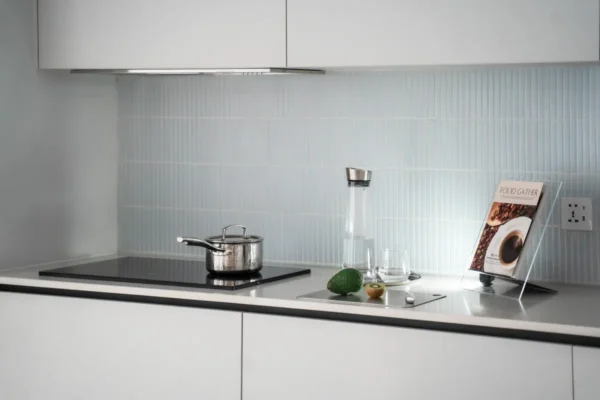
Induction cooktops look a lot like glass ceramic stovetops, but the surface itself behaves a little differently and deserves a gentler touch than people sometimes assume. Since there's no open flame or exposed coil, spills tend to sit right on the flat glass surface rather than dripping into a pan below, which means induction cooktop cleaning is mostly about protecting that glass from scratches while still getting rid of baked-on residue.
This guide covers safe daily cleaning, how to handle burnt-on spills without damaging the surface, and which products to avoid entirely. It's part of the Oven & Stovetop Cleaning Guide, which covers care for every stovetop type in the kitchen.
The Best Way to Clean an Induction Cooktop (Quick Answer)
For most induction cooktops, this approach works well:
- Let the surface cool completely before cleaning.
- Wipe daily spills with a soft cloth and a small amount of mild dish soap.
- For burnt-on residue, use a ceramic cooktop scraper held at a low angle, then wipe clean.
- Finish with a cooktop-specific cleaner or a vinegar and water rinse, then dry with a soft cloth.
The main thing to keep in mind is that induction cooktops use a smooth glass surface, and anything abrasive risks leaving permanent scratches, even if the mark isn't visible right away.
Understanding the Induction Cooktop Surface
Induction cooktops sit on top of a flat, tempered glass or glass-ceramic panel. Underneath that glass is the coil that creates the induction heating effect, but the surface itself doesn't get hot the way a traditional stovetop does. Instead, it's the pot or pan that heats up directly, and the glass around it stays relatively cool by comparison, though it will still warm somewhat from contact with a hot pan.
This means the surface can develop spill marks and light scorching from anything that boils over next to a pan, even if the glass itself never reaches high heat. Because it's still glass, it scratches the same way a ceramic or glass stovetop does, which is the main risk to watch for during cleaning.
What You'll Need
Most of what's needed is already in the kitchen:
- Mild dish soap
- Warm water
- A soft microfiber cloth
- A ceramic cooktop scraper (a specific flat-bladed tool designed for glass surfaces)
- White vinegar
- Baking soda
- A cooktop-specific cleaner, if preferred over natural methods
Avoid steel wool, scouring pads, and any cleaner labeled as abrasive. These are the most common cause of permanent scratching on induction and glass ceramic surfaces, and once a scratch is there, it doesn't come back out.
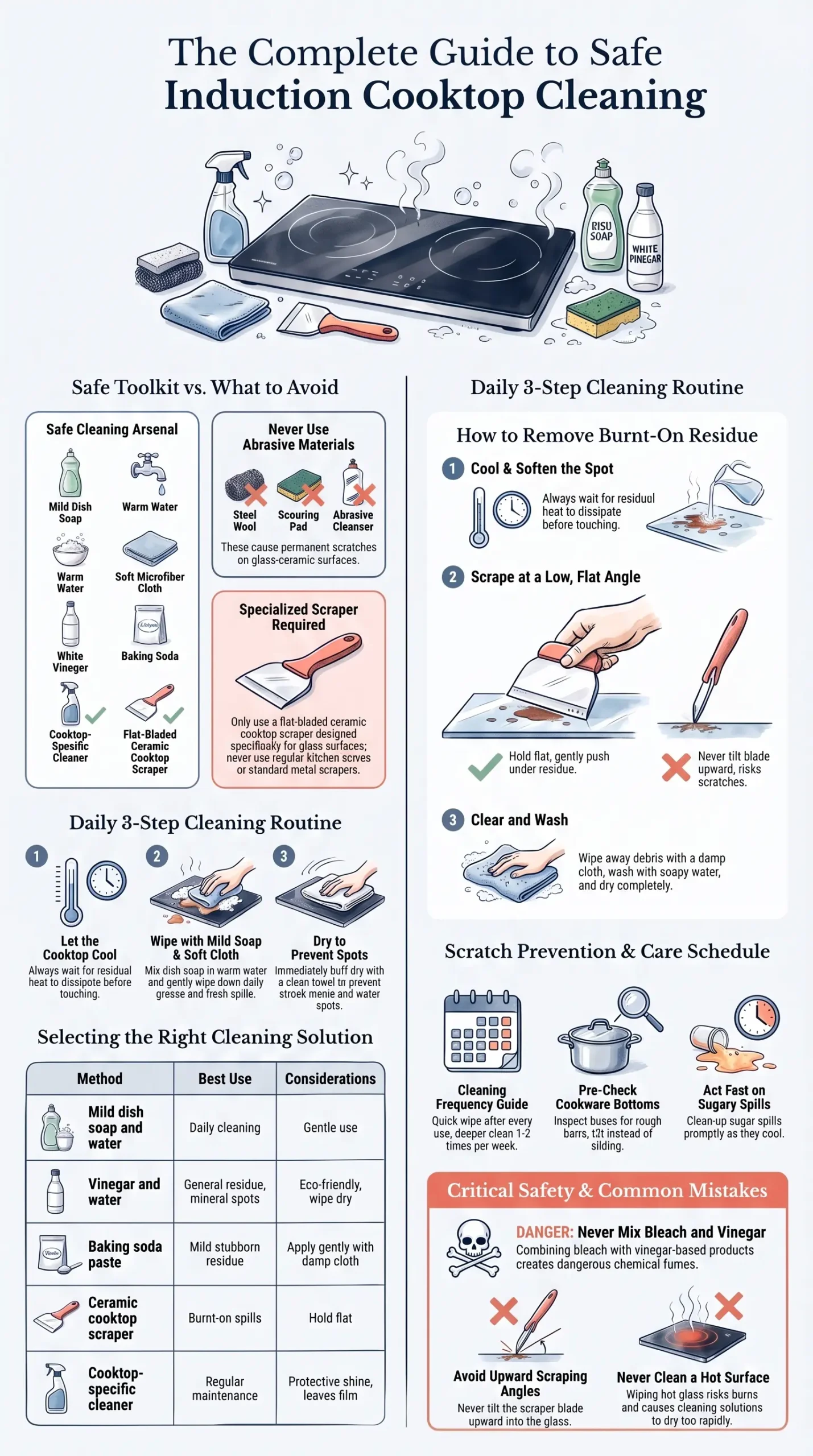
Photo Credit: Hobby Guidebook Editorial
Daily Cleaning
For everyday spills and light residue, a simple routine keeps the surface in good shape without much effort.
- Let the cooktop cool. Even though induction surfaces stay cooler than gas or coil stovetops, residual heat from the pan can still make the glass warm enough to avoid touching right away.
- Wipe with a soft cloth and mild soap. A few drops of dish soap in warm water on a microfiber cloth handles most daily spills and fingerprints.
- Dry with a clean cloth. This prevents water spots and keeps the glass looking clear rather than streaked.
This quick wipe-down after cooking prevents most spills from having a chance to bake onto the surface, which is the main goal with daily maintenance.
Cleaning Burnt-On Spills
Sometimes a spill sits too long or gets slightly scorched before it's noticed, especially with sauces or sugary liquids that can harden quickly on a warm surface.
- Let the cooktop cool completely before attempting to remove anything stuck on.
- Apply a small amount of water directly to the burnt spot to help loosen it slightly.
- Use a ceramic cooktop scraper at a low angle, close to flat against the glass, and gently push under the edge of the residue. Never angle the blade upward into the glass, since this increases scratch risk.
- Wipe away the loosened residue with a soft cloth.
- Follow up with soap and water to clean the area fully once the bulk of the residue is removed.
A cooktop scraper is a specific tool designed for this exact task, with a blade edge made to glide flat against glass without digging in. Using a regular kitchen knife or a metal scraper not designed for this purpose is one of the more common ways people accidentally scratch their induction surface.
Vinegar and Baking Soda for Induction Cooktops
Vinegar and baking soda both have a place in induction cooktop cleaning, used carefully and with attention to how the glass surface responds.
Diluted white vinegar works well as a light cleaner for general residue and can also help cut through mineral deposits left by hard water spots. Spray or wipe it on, let it sit briefly, then wipe clean with a soft cloth. It's a reasonably eco-friendly option for households that prefer to limit commercial cleaning products, since it's inexpensive and doesn't leave behind harsh chemical residue.
Baking soda, made into a light paste with water, can help with slightly stubborn residue, but it should be used gently and with a soft cloth rather than scrubbed in with pressure, since even a mild abrasive used too aggressively can dull the glass surface over time. Apply the paste, let it sit for a few minutes, then wipe (not scrub hard) with a damp cloth.
These two shouldn't be combined directly in a sealed container, since the reaction fizzes and works better used one after the other rather than mixed ahead of time. Neither should ever be combined with bleach, since mixing bleach with vinegar produces hazardous fumes that should never be allowed to happen, even by accident.
Commercial Cleaner vs. Natural Method
|
Method |
Best Use |
Considerations |
|
Mild dish soap and water |
Daily cleaning, light spills |
Gentle and safe for regular use |
|
Vinegar and water |
General residue, mineral spots |
Eco-friendly option; wipe dry to avoid streaking |
|
Baking soda paste |
Mild stubborn residue |
Use gently, avoid heavy scrubbing pressure |
|
Ceramic cooktop scraper |
Burnt-on spills |
Hold flat against glass; never angle upward |
|
Cooktop-specific cleaner |
Regular maintenance, shine |
Formulated for glass surfaces; follow label directions |
Cooktop-specific cleaners are formulated to be safe for glass surfaces and often leave a light protective residue that helps prevent future spills from sticking as easily. Natural methods like vinegar work well for households that prefer to avoid commercial products, though they don't offer the same protective residue that a dedicated cooktop cleaner does. Either approach works, and the choice mostly comes down to preference and how much residue buildup you're typically dealing with.
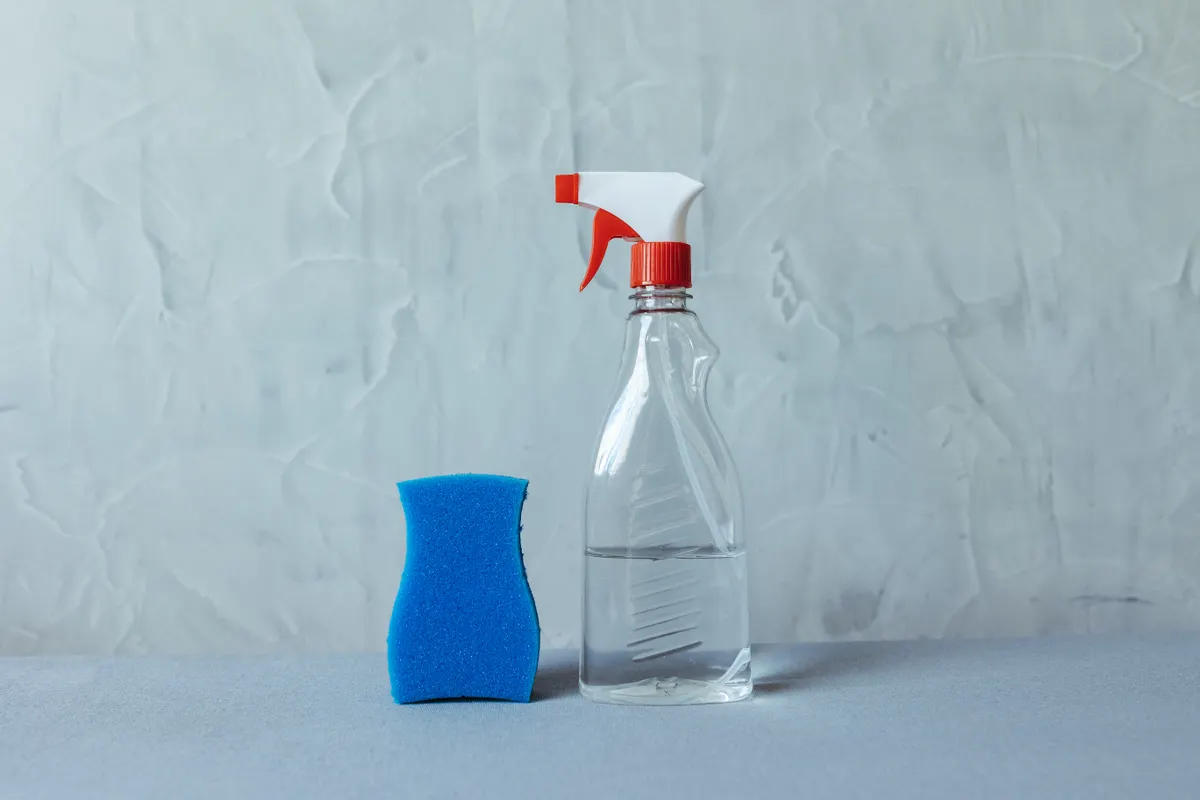
Photo Credit: Jonathan Borba
Cleaning Without Scratching the Surface
A few habits make the biggest difference in keeping an induction surface scratch-free over time:
- Always use soft cloths or sponges, never anything with a rough or gritty texture.
- Check cookware for rough bottoms before setting it on the cooktop, since a pan with a burred or damaged base can scratch the glass even without any cleaning involved.
- Avoid sliding pots and pans across the surface, since grit trapped underneath a pan can scratch the glass during normal cooking, not just during cleaning.
- Use a cooktop scraper only for its intended purpose, holding it flat rather than at an angle that could catch and drag against the glass.
- Wipe up sugary spills quickly, since sugar-based residue can bond tightly to the glass if left to cool and harden, sometimes requiring more scraping effort later.
Following these habits during normal cooking, not just during cleaning, does more to prevent scratches than any specific cleaning product choice.
How Induction Cooktop Care Connects to the Rest of the Kitchen
Grease and residue from cooking don't stay confined to the cooktop surface. Steam and airborne grease from whatever's cooking on the induction surface often drift upward, which means the range hood and vent filter above the stovetop tend to need attention on a similar schedule. Our guide on Range Hood & Vent Cleaning covers how to clean the filter and housing, which is easy to overlook since it's not directly part of the cooking surface itself.
If your kitchen setup includes a separate oven beneath or near the induction cooktop, keeping both on a similar cleaning rhythm tends to work better than treating them separately. Our guide on Oven Interior Deep Cleaning walks through that process in detail, including how often a full interior clean is genuinely needed.
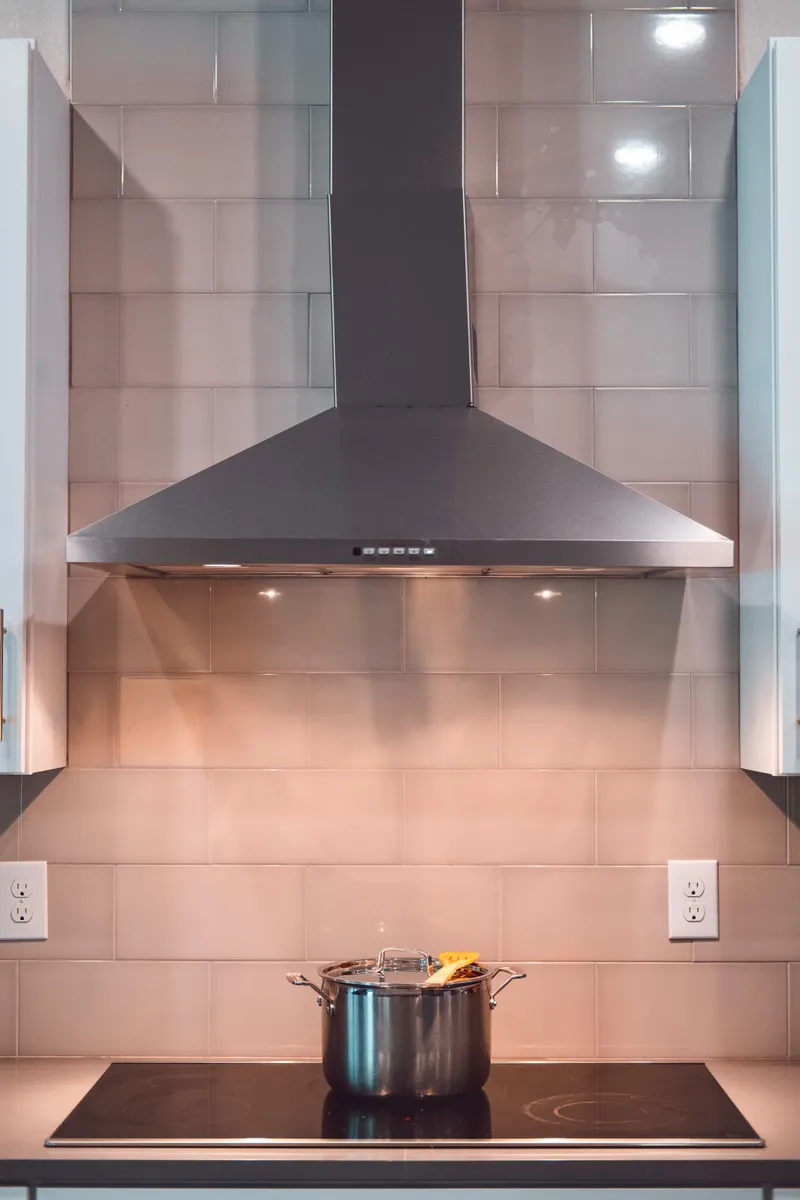
Photo Credit: Connor Scott McManus
How Often Should You Clean an Induction Cooktop
A quick wipe after each use is the most important habit for this surface, since it prevents spills from having time to bake on. This daily wipe takes less than a minute and does more to keep the cooktop looking good than any deep cleaning session.
A more thorough clean, using a cooktop-specific cleaner or a vinegar rinse to remove any lingering film, works well once or twice a week for most households. Kitchens that cook frequently with sauces or sugary ingredients that tend to spill and scorch may benefit from this deeper clean a bit more often.
Common Mistakes to Avoid
- Using steel wool or abrasive scouring pads. These are the most common cause of permanent scratches on glass induction surfaces.
- Scraping at an upward angle. This can catch the glass edge and cause a scratch rather than gliding cleanly under the residue.
- Cleaning while the surface is still hot. Waiting for the cooktop to cool avoids burns and makes cleaning products work more effectively.
- Using cookware with rough or damaged bottoms. This can scratch the glass during normal cooking, unrelated to the cleaning process itself.
- Combining bleach with vinegar-based cleaners. This produces hazardous fumes and should never be done.
- Letting sugary spills sit too long. These tend to bond more firmly to the glass the longer they're left, making them harder to remove later.
FAQ
What is the best way to clean an induction cooktop? Let the surface cool, wipe daily spills with mild soap and a soft cloth, and use a ceramic cooktop scraper held flat for any burnt-on residue, finishing with a cooktop-specific cleaner or diluted vinegar.
How often should you clean an induction cooktop? Wipe after every use to prevent spills from baking on, and do a more thorough clean once or twice a week depending on how often you cook.
What cleaning products are safe for an induction cooktop? Mild dish soap, diluted white vinegar, a gentle baking soda paste, and cooktop-specific glass cleaners are all safe choices when used with a soft cloth.
What should you avoid when cleaning an induction cooktop? Avoid steel wool, abrasive scouring pads, scraping at an upward angle, and combining bleach with vinegar-based cleaners.
How can you clean an induction cooktop without damaging it? Use soft cloths, hold a cooktop scraper flat against the glass, check cookware for rough bottoms before use, and avoid sliding pots across the surface during cooking.
For more stovetop and kitchen appliance care, view the full kitchen cleaning guide for additional room-by-room instructions.
A quick safety note: always let the cooktop cool before cleaning, and use only tools designed for glass surfaces, like a ceramic cooktop scraper, to avoid scratching. Never combine bleach with vinegar-based cleaners, since this can produce hazardous fumes.





Leave a Reply