
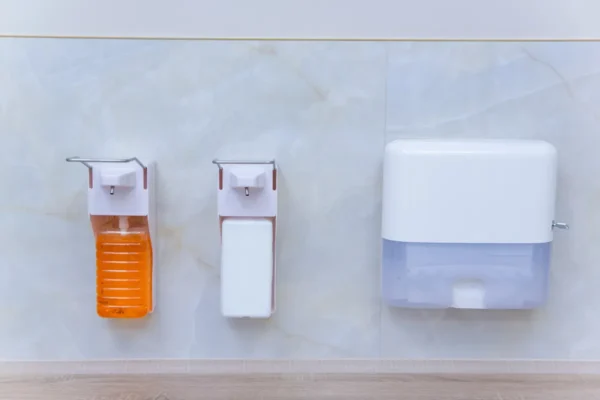
Soap dishes, toothbrush holders, cup dispensers, robe hooks, and tissue holders sit in some of the wettest, most touched spots in a bathroom, yet they often get skipped during a regular cleaning routine. Bathroom accessory cleaning matters because these small items collect soap film, toothpaste residue, and moisture faster than larger fixtures, and their small size and tight corners make buildup easy to miss.
This guide covers the best way to clean bathroom accessories, which tools and products actually work, how often the task needs doing, and how to tell when a particular item has moved past a quick wipe and needs a deeper clean. This article is Part of Bathroom Fixture & Fitting Cleaning Guide, which covers care for the fixtures and fittings throughout a bathroom.
The Best Way to Clean Bathroom Accessories
- Sort accessories by material first, since ceramic, glass, plastic, and metal each respond differently to cleaning products, and a method safe for one can dull, crack, or discolor another.
- Remove any loose contents, such as a toothbrush cup or a soap bar, before cleaning the accessory itself, which prevents residue from those items getting reintroduced right after cleaning.
- Wipe down with a damp microfiber cloth to lift loose grime and dust before applying any cleaning solution, since starting with a dry wipe keeps the deeper clean from just redistributing debris.
- Mix a small amount of mild dish soap with warm water for regular cleaning on most materials, applying it with a cloth or sponge rather than soaking items with electronic or adhesive-mounted components.
- Use a soft-bristled toothbrush for grooves, hinges, and tight corners, particularly on soap dishes and toothbrush holders where residue tends to dry and cling.
- Soak removable items in warm soapy water for 10 to 15 minutes when buildup is heavier, which works well for glass tumblers, ceramic soap dishes, and plastic organizers that can be fully submerged.
- Rinse thoroughly and dry immediately with a clean cloth, since leftover moisture on metal accessories, in particular, is what leads to water spots and eventually rust at joints or screws.
For accessories mounted with adhesive rather than screws, avoid oversaturating the base with water or cleaner, since excess moisture can weaken the adhesive bond over time and cause the item to loosen from the wall.
Tools Needed for Bathroom Accessory Cleaning
A short list of basic tools handles nearly every bathroom accessory in the room.
- Soft microfiber cloths for wiping down surfaces without scratching
- A soft-bristled toothbrush for grooves, hinges, and tight corners
- A small bowl or basin for soaking removable items like cups or soap dishes
- Mild dish soap for general cleaning across most materials
- White vinegar for mineral buildup on glass, ceramic, or metal accessories
Nothing on this list is specialized or expensive, and most households already have these items on hand without needing a dedicated bathroom cleaning kit.
How to Tell a Bathroom Accessory Needs Cleaning
A few signs point to an accessory that's overdue for attention.
- A cloudy or spotted film on glass or ceramic items, usually from hard water mineral buildup
- A sticky or tacky feel on soap dishes or dispensers, which points to dried soap or lotion residue
- Small orange or reddish specks on metal hooks or holders, often an early sign of rust starting at a screw or joint
- A dull, faded look on a plastic accessory compared to how it appeared when new, which can indicate soap film that's built up in fine surface scratches over time
Catching these signs early keeps buildup from working further into grooves or surface texture, since residue and mineral film that sit for weeks are noticeably harder to fully clear than something addressed within the first week or two.
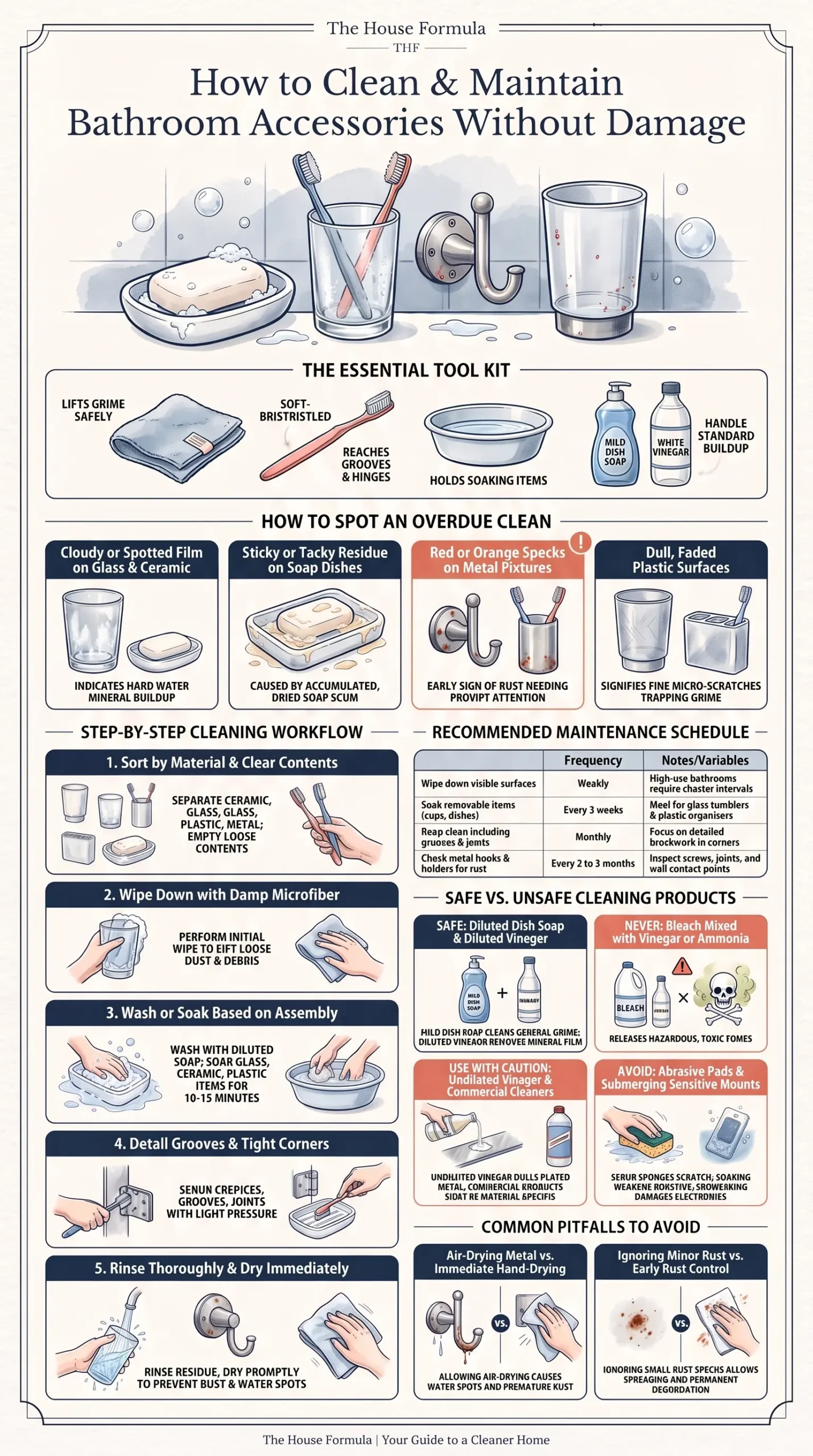
Photo Credit: Hobby Guidebook Editorial
How Often Should You Clean Bathroom Accessories
|
Task |
Suggested Frequency |
|
Wipe down visible surfaces |
Weekly |
|
Soak removable items (cups, dishes) |
Every 2 weeks |
|
Deep clean including grooves and joints |
Monthly |
|
Check metal hooks and holders for rust |
Every 2 to 3 months |
Bathrooms with heavy daily use or multiple people sharing the space typically need the soaking and deep clean steps closer to the shorter end of these ranges, since more frequent contact means faster buildup of soap residue and toothpaste film. A guest bathroom used less often can often stretch these tasks out a bit longer without much visible difference.
What Cleaning Products Are Safe for Bathroom Accessories
Generally safe:
- Mild dish soap diluted in warm water for regular cleaning on ceramic, glass, and plastic
- White vinegar diluted with water for mineral film on glass, ceramic, or metal
- Baking soda paste for stubborn residue in grooves, applied gently and rinsed well
Use with caution:
- Undiluted vinegar, which works faster on mineral buildup but can dull certain plated or coated metal finishes with repeated use
- Commercial glass or metal cleaners, safe when the label specifically confirms the product suits the accessory's exact material
Avoid:
- Mixing bleach with vinegar or ammonia, which can release hazardous fumes and should never be attempted
- Abrasive scouring pads on plastic or coated metal, which create fine scratches that trap grime more easily afterward
- Fully submerging accessories with adhesive mounts or electronic components, such as a motion-sensor soap dispenser
Checking the material and, where available, any manufacturer guidance before using vinegar or a commercial cleaner is a reasonable step for accessories with a coated or specialty finish.
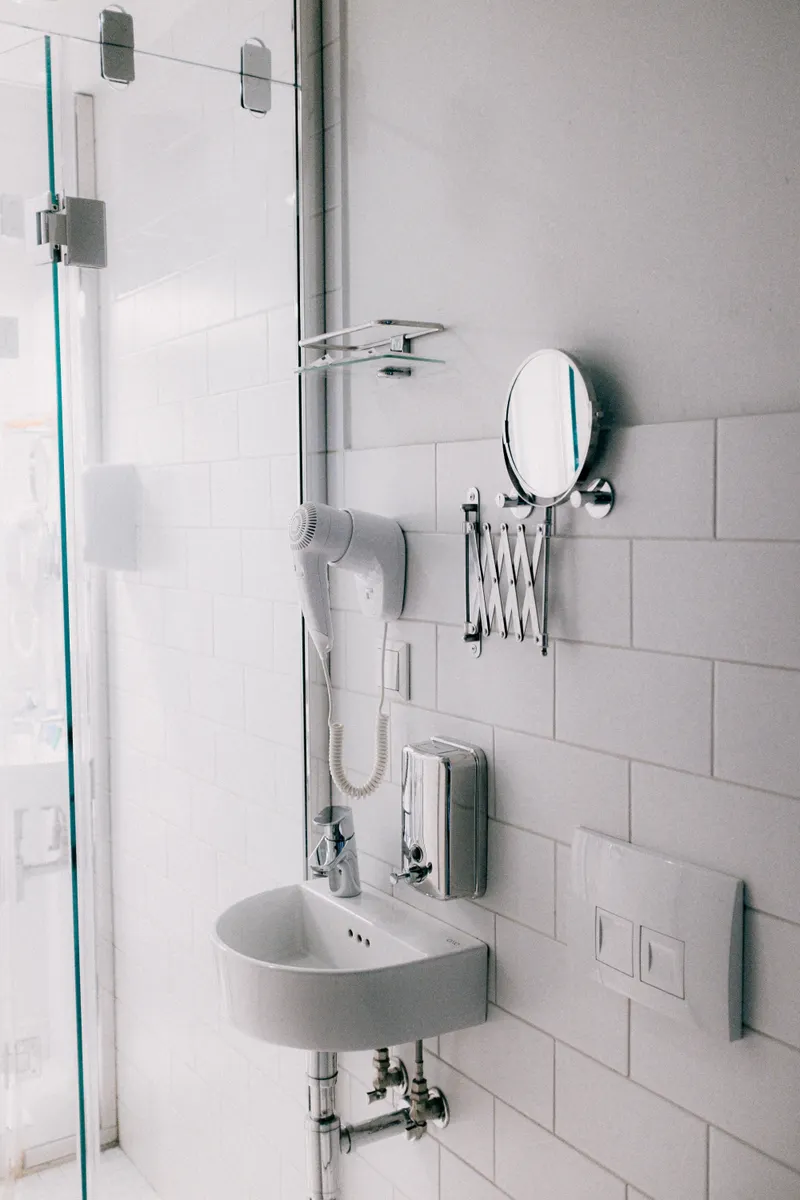
Photo Credit: La Miko
How Can You Clean Bathroom Accessories Without Damaging Them
Scratches on plastic or metal accessories do more than affect appearance, since the fine grooves they create actually hold onto soap residue and mineral film more easily than a smooth surface. A soft cloth or gentle toothbrush handles the large majority of buildup without any real risk, and light pressure is usually enough to lift dried residue without scrubbing hard.
Testing a new cleaner, including diluted vinegar, on a small hidden section is worth doing when working with an accessory that has a coated, painted, or specialty finish, since these can react differently than plain glass, ceramic, or chrome. Drying accessories fully and promptly after cleaning also matters more than it might seem, since lingering moisture is what typically starts the rust process on metal hooks, holders, and screws.
Metal drain covers and grates near the tub or sink often face similar buildup issues as smaller accessories, though their placement and exposure to standing water call for a slightly different approach, covered in Bathroom Drain Cover & Grate Cleaning for households dealing with buildup around drains specifically.
Best Product for Bathroom Accessory Cleaning
There isn't a single best product for every bathroom accessory, since the right choice depends heavily on the material involved. For most ceramic, glass, and plastic items, diluted mild dish soap handles daily grime effectively without any risk of damage. For mineral film and hard water spots on glass or metal, diluted white vinegar is generally the more effective option, though it should be wiped away rather than left to sit on plated finishes for extended periods. Chrome and other metal accessories in particular benefit from a slightly different routine than ceramic or plastic pieces, covered in more detail in Cleaning Chrome & Metal Bathroom Fixtures for readers focused specifically on metal hardware throughout the bathroom.
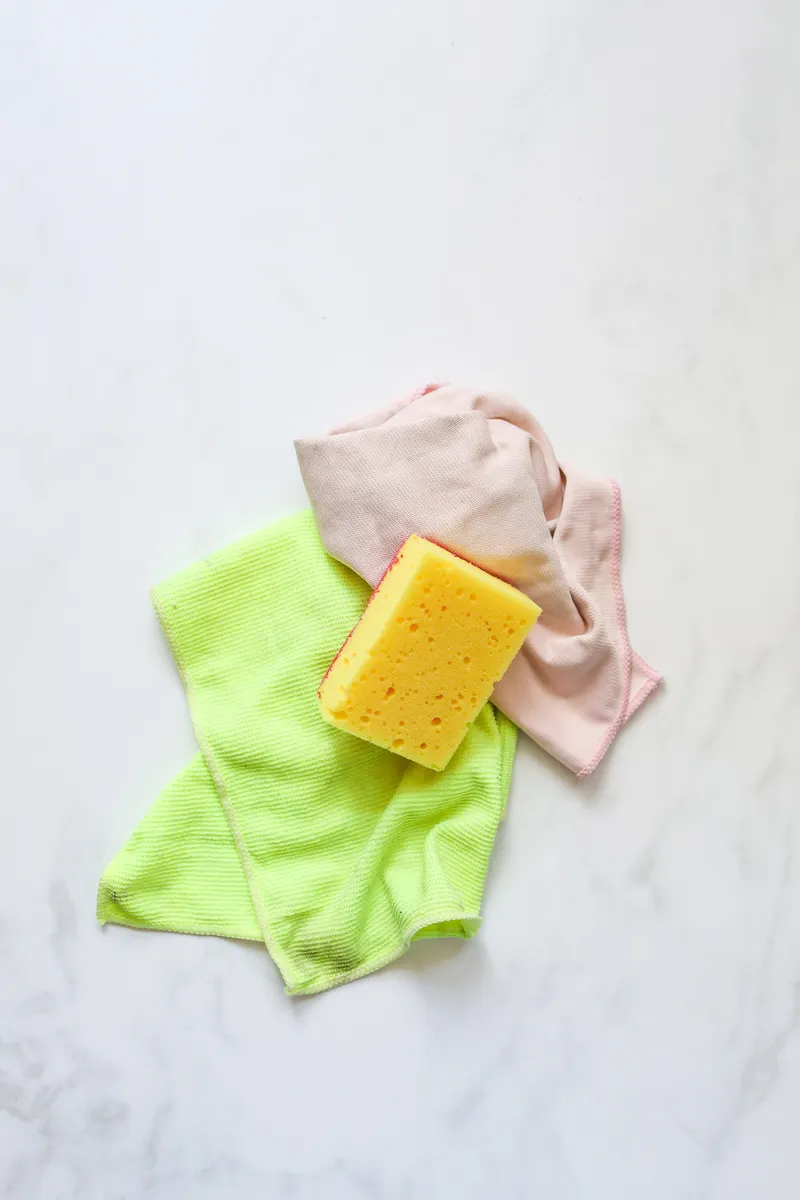
Photo Credit: Polina Tankilevitch
Common Mistakes When Cleaning Bathroom Accessories
- Using the same cleaner on every material in the bathroom. Ceramic, glass, plastic, and metal don't all respond the same way, and something safe for one can damage another.
- Letting water sit and air dry on metal accessories. This is one of the most common causes of new water spots and, eventually, rust at joints and screws.
- Scrubbing with abrasive pads. These scratch plastic and coated metal permanently, and scratched surfaces hold onto future grime more easily.
- Mixing bleach with vinegar or ammonia. This combination should never be attempted, regardless of how stubborn the residue looks.
- Soaking accessories with adhesive mounts or electronic parts. Full submersion can weaken adhesive bonds or damage internal components on items like motion-sensor dispensers.
- Ignoring small rust specks on metal hooks because they seem minor. Left untreated, rust tends to spread rather than stay contained to its original spot.
Frequently Asked Questions
What is the best way to clean bathroom accessory? Wipe down with a soft cloth and mild soap and water weekly, use a soft toothbrush for grooves and joints, and soak removable items like cups or soap dishes every couple of weeks for a deeper clean.
How often should you clean bathroom accessory? Wipe visible surfaces weekly, soak removable pieces every two weeks, do a full deep clean monthly, and check metal hooks and holders for rust every two to three months.
What cleaning products are safe for bathroom accessory? Mild dish soap and diluted white vinegar are safe for most ceramic, glass, and metal accessories. Commercial cleaners should only be used if labeled for the specific material involved.
What should you avoid when cleaning bathroom accessory? Avoid abrasive pads, mixing bleach with vinegar or ammonia, and fully submerging accessories that have adhesive mounts or electronic components.
How can you clean bathroom accessory without damaging it? Use a soft cloth or gentle toothbrush rather than scrubbing hard, test new products on a small hidden area first, and dry accessories fully and promptly after cleaning to prevent water spots and rust.
See the full bathroom cleaning guide for how accessory care fits into complete bathroom maintenance.
A Quick Safety Note
Cleaning bathroom accessories is generally low risk, but a few precautions are worth keeping in mind. Never mix bleach with vinegar or ammonia, since this combination can release hazardous fumes. Check the material of each accessory before using vinegar or a commercial cleaner, particularly on coated, painted, or specialty finishes, and test any new product on a small hidden area first. If an accessory shows spreading rust, cracking, or a mounting that feels loose from the wall, it may be more practical to replace it than to continue cleaning around the damage.



Leave a Reply