

The refrigerator is one of the most-touched surfaces in the kitchen, covered in fingerprints, splatters from nearby cooking, and the occasional sticky handprint from a kid grabbing a snack. It also comes in more finish types than most appliances, stainless steel, matte black, white or black enamel, and panel-ready fronts that match surrounding cabinetry. Refrigerator exterior cleaning that works well on one finish can streak, dull, or damage another, so knowing what you're working with changes which products and tools make sense. This guide is part of the Refrigerator Cleaning Guide, and it covers the routine, the finish-specific details, and the mistakes worth avoiding.
The Best Way to Clean a Refrigerator Exterior
Wipe the exterior with warm water and a few drops of mild dish soap on a soft microfiber cloth, working in the direction of the finish's grain if it has one, such as with stainless steel. Rinse the cloth and go over the surface again with clean water to remove soap residue, then dry immediately with a separate dry cloth to prevent streaking or water spots. For fingerprints and light smudges between deeper cleans, a dry microfiber cloth alone often does the job without needing any product at all.
That covers the everyday approach. The sections below go deeper into what changes by finish type, how to handle the door seals and handles that collect the most grime, and how often this routine actually needs to happen.
Know Your Refrigerator Finish First
The finish on your refrigerator determines which products are safe and which tools might scratch or dull the surface. Taking a moment to identify it before cleaning prevents most of the common mistakes people make with this appliance.
|
Finish type |
Cleaning approach |
What to avoid |
|
Stainless steel |
Mild soap and water, wiped in the direction of the grain; a stainless-steel-specific polish can restore shine |
Abrasive pads, and wiping against the grain, which can leave visible streaking |
|
White or black enamel |
Mild soap and water; baking soda paste for stubborn marks |
Abrasive scrubbers, which can dull the glossy finish over time |
|
Matte black stainless |
Mild soap and a soft cloth, dried immediately to prevent water spots showing on the matte texture |
Standard stainless steel polish, which isn't formulated for the matte coating and can leave a residue |
|
Panel-ready or custom cabinetry front |
Follow the cabinetry material's specific care guidance, since the panel is often wood or laminate rather than appliance-grade metal |
Appliance-specific cleaners not intended for wood or laminate surfaces |
If you're not sure what finish your refrigerator has, checking the manufacturer's use and care manual, often available through the brand's website using the model number found on the appliance's interior label, is the most reliable way to confirm before using anything beyond mild soap and water.
Step-by-Step Cleaning Process
- Clear anything off the front and sides, including magnets, photos, or notes, so the entire surface is accessible.
- Dampen a soft microfiber cloth with warm water and a few drops of mild dish soap. Avoid soaking the cloth, since excess water can seep into door seams or control panels.
- Wipe the entire exterior, working top to bottom. For stainless steel, follow the direction of the brushed grain lines, which are usually visible under good lighting.
- Pay extra attention to the door handles, which typically collect more grime than any other spot on the appliance from constant hand contact.
- Rinse a clean cloth with plain water and wipe the surface again to remove any soap residue, since leftover soap film can attract dust and cause streaking later.
- Dry immediately with a separate dry microfiber cloth. This step matters most on stainless steel and matte finishes, where air-drying alone tends to leave visible water spots.
- Check the top of the refrigerator, which often collects a layer of dust and grease that goes unnoticed since it's above eye level for most people.
The full process takes about ten to fifteen minutes for most standard refrigerators, and doing it regularly keeps buildup from becoming the kind of grime that needs a stronger product to remove.

Photo Credit: Kindel Media
Cleaning Door Handles and Frequently Touched Areas
Door handles deserve extra attention since they're touched dozens of times a day, often with hands that just handled food, dishes, or cleaning products. A soft-bristle toothbrush works well for reaching into handle grooves or decorative ridges where a flat cloth can't get full contact. For handles with textured or ridged designs, a slightly damp cloth wrapped around a finger can also reach into narrow grooves without needing extra tools.
If your household wants a bit more than routine cleaning on handles specifically, particularly after someone has been sick or after handling raw meat nearby, a light disinfecting wipe formulated for kitchen surfaces can be used on the handle area, following the product's label instructions for contact time. This isn't necessary for daily maintenance, but it's a reasonable step during flu season or after specific higher-risk food handling.
What Cleaning Products Are Safe for Refrigerator Exteriors?
Product choice depends heavily on the finish, but a few options work broadly across most refrigerator surfaces when used correctly.
- Mild dish soap and water: safe for nearly all refrigerator finishes and the default choice for regular cleaning
- Distilled white vinegar (diluted with water): an eco-friendly option that works well on stainless steel and enamel finishes for cutting through light grease, though it should be avoided on matte black finishes where the mild acidity can affect the coating over repeated use
- Baking soda paste: gentle enough for enamel and stainless steel, useful for lifting stuck-on splatters without scratching
- Stainless-steel-specific cleaner or polish: formulated to clean and restore shine specifically on stainless steel, not appropriate for enamel or matte finishes
- Commercial multi-surface kitchen cleaner: convenient for general use, but check the label to confirm it's safe for your specific finish, especially matte or panel-ready surfaces
Never mix bleach with vinegar, ammonia, or other acids. This produces hazardous fumes and has no place in refrigerator cleaning. If a disinfecting step is needed on the handle or exterior, use a single product rather than layering multiple cleaning chemicals on the same surface.
Eco-Friendly Cleaning for Refrigerator Exteriors
For households wanting to reduce reliance on commercial products, a simple mix of warm water and a small amount of dish soap handles most day-to-day cleaning without needing anything else. Diluted white vinegar (roughly equal parts water and vinegar) offers a reasonable eco-friendly alternative for cutting through grease on stainless steel and enamel finishes, though it should be tested on a small area first and avoided on matte black coatings, where repeated acid exposure can dull the finish over time.
Baking soda paste is another accessible option, made by mixing a small amount of baking soda with just enough water to form a spreadable paste. Applied gently with a soft cloth, it lifts stuck-on food splatters and light grime without needing an abrasive scrub or a harsher chemical product. These simple, low-cost ingredients cover the vast majority of what a refrigerator exterior actually needs, reserving stronger commercial cleaners for occasional deeper cleaning or stubborn buildup.
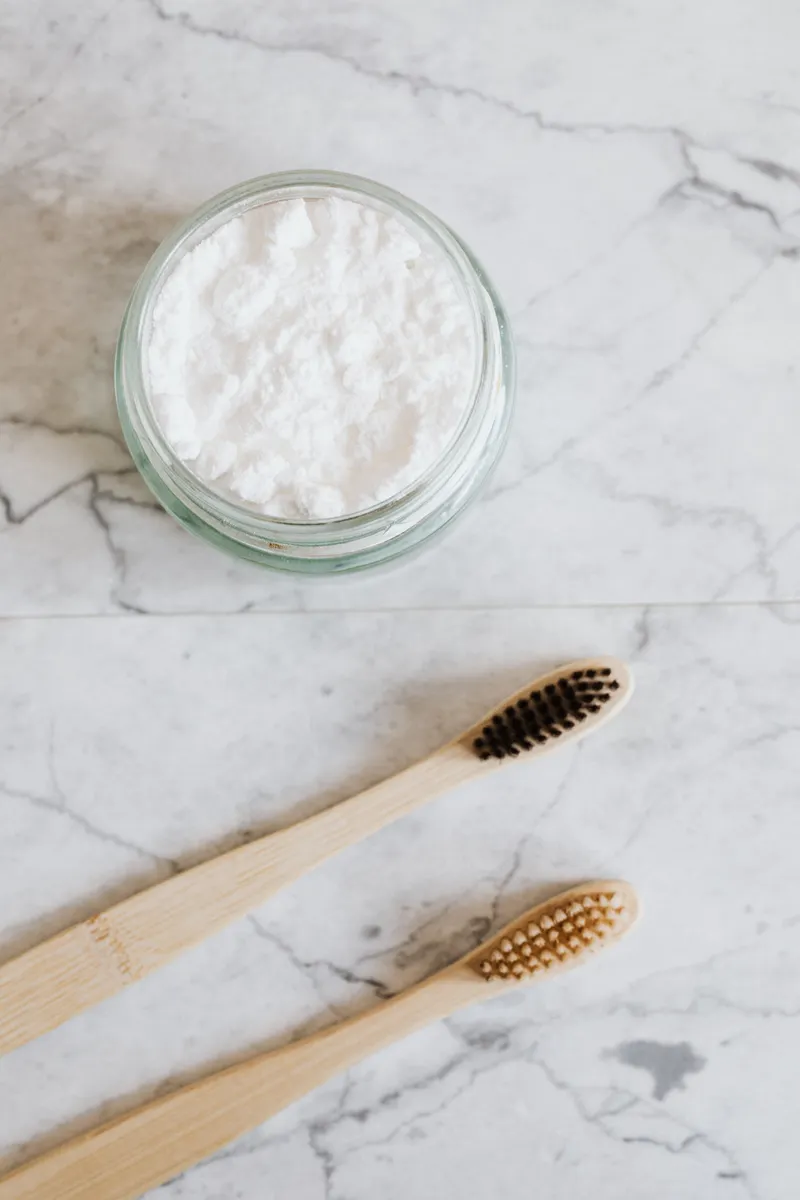
Photo Credit: https://kaboompics.com/
How to Clean a Refrigerator Exterior Without Damaging It
A few habits prevent most of the scratching, dulling, or streaking that shows up on refrigerator finishes over time.
- Always wipe stainless steel in the direction of the grain, since cleaning against it can leave visible streak lines that catch the light at certain angles
- Avoid abrasive pads, steel wool, or scouring powders on any finish, since these scratch nearly every refrigerator surface, even ones marketed as durable
- Skip vinegar or other acidic cleaners on matte black finishes, where repeated acid exposure can wear down the protective coating
- Dry the surface immediately after wiping, particularly on stainless steel and matte finishes, since air-drying alone often leaves visible spots
- Avoid spraying cleaner directly onto the appliance, especially near seams, vents, or control panels, since liquid can seep into places it shouldn't; spraying onto the cloth first is the safer approach
- Test any new product on a small, inconspicuous area first, such as the side panel, before applying it across the entire front
If you notice fine scratches have already appeared on stainless steel from a previous cleaning mistake, addressing that goes beyond routine exterior cleaning and into surface repair, which depends heavily on how deep the scratch runs and the specific finish involved.
How Often Should You Clean a Refrigerator Exterior?
A quick wipe of fingerprints and smudges can happen every few days, especially in busy households or homes with kids. A full clean, following the complete process above, works well every one to two weeks for most kitchens. The top of the refrigerator, which collects dust and grease more slowly but often goes unnoticed, is worth checking monthly, since buildup there can eventually drip down the sides if left too long.
Households that cook frequently, particularly with methods that produce more airborne grease like frying or high-heat sautéing, may find fingerprints and grease film build up faster and benefit from a slightly more frequent routine.
Stainless Steel Deserves Extra Attention
Stainless steel refrigerators are common, but they're also the finish most prone to visible streaking, smudging, and fingerprint marks compared to enamel or matte options. The grain direction, the specific cleaning products that work best, and how to restore shine after cleaning all deserve a closer look than general exterior cleaning covers. The Stainless Steel Refrigerator Exterior Cleaning guide goes into that detail, including how to handle fingerprints that seem to reappear no matter how often the surface gets wiped down.

Photo Credit: Curtis Adams
Don't Forget the Door Seals
The rubber or vinyl gasket running along the inside edge of the refrigerator door is easy to overlook during exterior cleaning, but it collects crumbs, spills, and grime in its folds just as readily as any other surface, and a dirty or damaged seal can actually affect how well the door closes and seals in cold air. If you notice a musty smell near the door edges, or if the door doesn't seem to seal tightly anymore, the Refrigerator Door Seal & Gasket Cleaning guide walks through how to clean and check this component safely, since it needs a slightly different approach than the flat exterior panels.
Frequently Asked Questions
What is the best way to clean a refrigerator exterior? Wipe with warm water and mild dish soap on a soft microfiber cloth, following the grain direction on stainless steel, then rinse and dry immediately to prevent streaking or water spots.
How often should you clean a refrigerator exterior? A quick wipe for fingerprints every few days, with a full clean every one to two weeks. Check the top of the refrigerator monthly, since dust and grease collect there more slowly but can eventually drip down the sides.
What cleaning products are safe for a refrigerator exterior? Mild dish soap and water work for nearly every finish. Diluted vinegar and baking soda paste are eco-friendly options for stainless steel and enamel, though vinegar should be avoided on matte black finishes.
What should you avoid when cleaning a refrigerator exterior? Avoid abrasive pads, wiping stainless steel against the grain, spraying cleaner directly onto the appliance near seams or vents, and using vinegar on matte black finishes.
How can you clean a refrigerator exterior without damaging it? Identify your finish before choosing a product, stick to soft cloths, dry the surface immediately after wiping, and test any new product on a small area first if you're unsure how it will react.
For more on keeping the rest of your kitchen clean, browse the complete kitchen cleaning guide.





Leave a Reply