
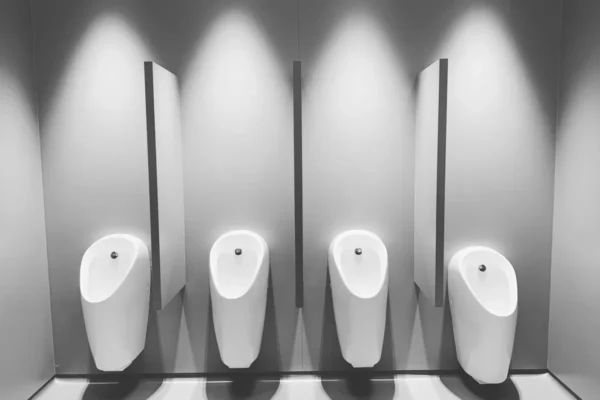
Urine stains on a bathroom floor are more than a visible mark. Urine breaks down over time into ammonia and uric acid crystals, and those crystals are what cause the lingering smell that seems to come back on humid days or right after a hot shower, even after the floor looks clean. Removing urine stains from a bathroom floor properly means addressing both the visible stain and the crystals left behind, not just wiping the surface.
This guide covers how to remove urine stains depending on the floor material, which products actually break down the odor-causing residue versus ones that just mask it temporarily, how often this kind of cleanup needs attention in a household with kids, pets, or aging family members, and how to treat the stain without damaging grout, sealed stone, or seams in vinyl and laminate. This article is Part of Bathroom Floor Cleaning Guide, which covers care for every common bathroom floor material.
How Do You Remove Urine Stains from a Bathroom Floor
- Blot up fresh urine immediately with a paper towel or cloth, pressing rather than wiping, to lift as much liquid as possible before it has a chance to soak into grout, a seam, or a porous surface.
- Apply an enzymatic cleaner made for organic stains, following the label's dwell time, since enzymes break down the uric acid crystals that cause odor rather than just masking the smell the way a fragranced cleaner does.
- Let the cleaner sit for the full recommended time, usually ten to fifteen minutes depending on the product, since wiping it away too soon doesn't give the enzymes enough time to fully break down the residue.
- Wipe or rinse the area with clean water, then dry it thoroughly, since leftover moisture on a porous surface like grout can encourage the smell to return even after the stain itself is gone.
- Repeat on a stubborn or older stain, since urine that's had time to dry and set into grout or a seam sometimes needs a second treatment before the odor is fully gone.
- Check the area again after it dries completely, since some odors are only noticeable once the surface warms up during a shower, which is a useful way to confirm the cleaning actually worked.
For a stain on grout specifically, a paste made from baking soda and a small amount of water, left on the stain for fifteen to twenty minutes before scrubbing gently with a soft brush, often lifts discoloration that a liquid cleaner alone doesn't fully clear, particularly on lighter grout colors.
Why Urine Stains Are Different from Other Bathroom Stains
Most bathroom stains, like soap scum or hard water spots, sit on the surface and lift with a standard cleaner. Urine behaves differently because it soaks into porous materials, particularly grout, and breaks down chemically over time into ammonia and uric acid crystals. Those crystals are what cause the smell to reactivate with humidity, which is why a floor that looks clean can still smell off in a warm, closed bathroom. This is also why a cleaner that just covers the smell with fragrance doesn't solve the underlying problem the way an enzymatic cleaner does.

Photo Credit: Hobby Guidebook Editorial
How Often Should You Clean Urine Stains from a Bathroom Floor
|
Situation |
Suggested Approach |
|
Fresh spot or splash |
Clean immediately, don't wait |
|
Household with young children or pets |
Check and spot-clean daily near the toilet |
|
Grout near the toilet base |
Deep clean with enzymatic cleaner every 1 to 2 weeks |
|
Full floor odor check |
Monthly, especially in warmer or more humid climates |
A household with a potty-training child, an older pet, or an elderly family member typically needs a more frequent spot-check routine near the toilet than a household without those factors, since small accidents are more likely to happen in those situations. Catching a fresh spot right away, rather than letting it sit even for a few hours, makes a real difference in how easily it lifts and how much odor sets into the grout or seams.
What Cleaning Products Are Safe for Urine Stains on a Bathroom Floor
Generally safe:
- An enzymatic cleaner formulated for pet or human urine, the most effective option for actually breaking down the odor-causing residue rather than masking it
- A baking soda paste, useful for lifting discoloration on grout without introducing harsh chemicals
- Diluted dish soap, reasonable for a fresh, small spot on sealed tile or vinyl before it has time to set in
Use with caution:
- Hydrogen peroxide, which can help lighten a urine stain on grout but should be tested on a small area first, since it can also lighten darker grout colors or affect certain natural stone finishes
- Vinegar, which some households reach for out of habit, but this should never be used on natural stone floors, since the acidity etches marble, travertine, and limestone on contact
Avoid:
- Ammonia-based cleaners, which is a counterintuitive one, since ammonia is actually a breakdown product of urine itself, and cleaning with it can leave a scent that, to a pet especially, smells similar enough to encourage remarking the same spot
- Bleach combined with ammonia-based products, a combination that must never be mixed on any surface, since it produces hazardous fumes
- Abrasive scrub pads on grout or sealed stone, which can wear down the sealant or surface finish faster than the stain itself would damage it
How to Tell If Urine Stains on a Bathroom Floor Need Cleaning
A few signs point to a spot that needs more than a quick wipe.
- A smell that's stronger when the bathroom is warm or humid, often right after a shower, which points to uric acid crystals reactivating with moisture in the air
- Visible discoloration on grout near the toilet base, usually a yellowish or dingy tint that doesn't match the surrounding grout color
- A musty or ammonia-like smell that persists after normal mopping, suggesting the residue has soaked past the surface and needs an enzymatic treatment rather than a standard cleaner
- A pet repeatedly returning to the same floor spot, which often means residual scent is still present even if the stain itself isn't visible anymore
If the smell keeps coming back after multiple enzymatic treatments, it's worth checking whether urine has reached a seam in vinyl or laminate flooring, or soaked down into a grout line all the way to the subfloor, since that level of penetration sometimes needs more than surface cleaning to fully resolve.
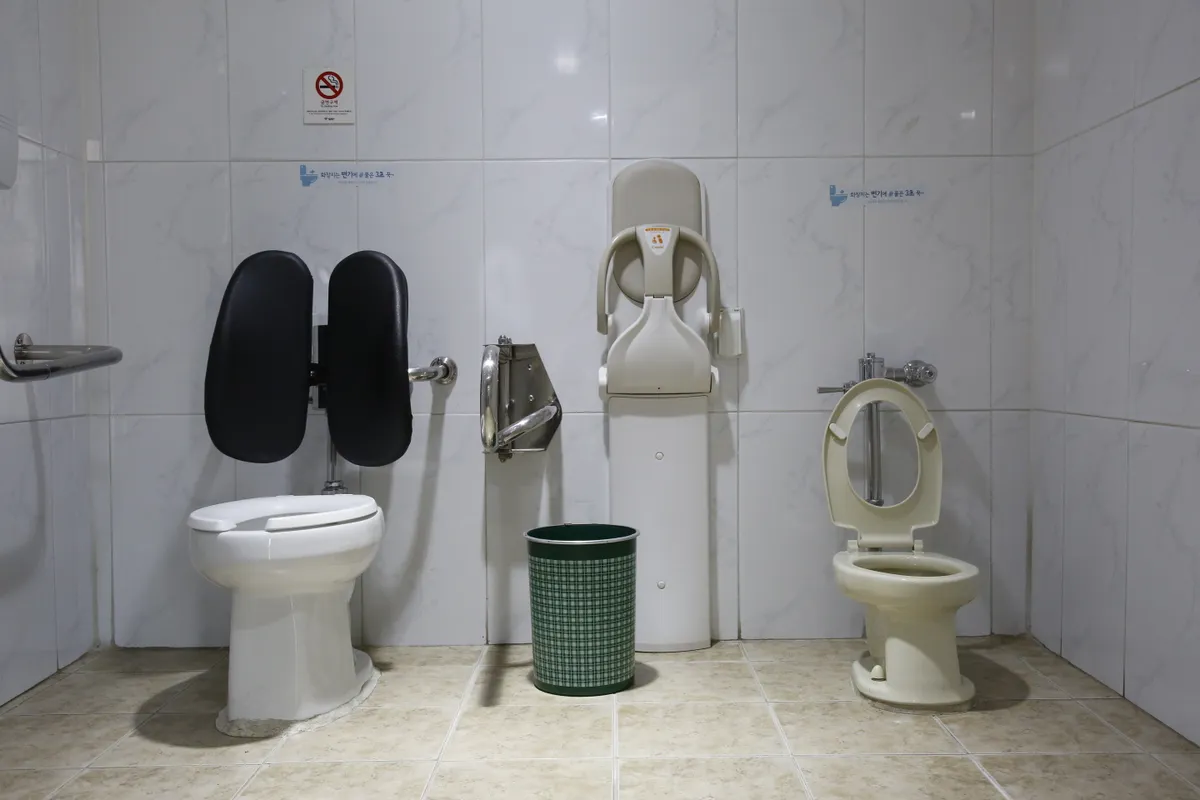
Photo Credit: 준섭 윤
Professional Cost to Clean Urine Stains from a Bathroom Floor
Most urine stains, especially fresh ones caught quickly, are manageable with an enzymatic cleaner and a bit of patience at home. Professional help becomes more relevant when the smell persists after repeated at-home treatment, which can point to urine that's soaked into a subfloor beneath tile, vinyl, or laminate. In that situation, a professional grout and tile cleaning service can sometimes extract deeper buildup from grout lines using equipment that isn't practical for home use, while a flooring specialist may need to get involved if the subfloor itself has absorbed odor over an extended period, since that typically requires removing and replacing the affected section rather than continued surface cleaning.
How Can You Clean Urine Stains from a Bathroom Floor Without Damaging It
The right approach depends heavily on the floor material, since what's safe for sealed tile isn't always safe for natural stone or laminate.
Grout is porous and absorbs urine more readily than the surrounding tile, which is why a gentle soak with an enzymatic cleaner or baking soda paste works better than aggressive scrubbing. Scrubbing too hard, especially with a stiff brush, can wear away at the grout's sealant, which actually makes it more likely to absorb stains and odors in the future rather than less.
Natural stone floors need particular caution, since any acidic product, including vinegar or lemon-based cleaners, etches marble, travertine, and limestone on contact. An enzymatic cleaner or a pH-neutral stone cleaner is the safer route here, and if the stain has left visible discoloration on stone that doesn't lift with a standard approach, that's a situation where more specific stone cleaning guidance is worth consulting rather than reaching for a stronger acidic product.
Vinyl and laminate floors carry a different risk, since urine that reaches a seam can, over time, work its way underneath the surface layer the same way any standing liquid can. Catching a spill in this area quickly and drying it fully matters more than the specific cleaner used, since prevention here counts for more than treatment after the fact.
Urine near a shower drain or floor drain can sometimes settle into the drain area itself, particularly in a walk-in shower where the drain sits at floor level. Keeping that drain clear and odor-free is covered in more detail in Bathroom Floor Drain Cleaning, which is worth checking if odor near the drain persists after the floor itself has been treated.
Common Mistakes When Cleaning Urine Stains from a Bathroom Floor
- Using an ammonia-based cleaner. Since ammonia is a natural byproduct of broken-down urine, cleaning with it can leave behind a scent that encourages a pet to return to the same spot.
- Wiping instead of blotting a fresh stain. Wiping can spread the liquid into a wider area or push it deeper into grout, while blotting lifts it before it has a chance to soak in further.
- Masking the smell with a fragranced cleaner instead of using an enzymatic one. Fragrance covers the smell temporarily but doesn't break down the uric acid crystals causing it, so the odor tends to return.
- Scrubbing grout aggressively. This wears down the sealant faster than gentle treatment would, making future stains and odors more likely to set in.
- Using vinegar on a natural stone floor. This etches the surface permanently and isn't something a follow-up cleaning can undo.
A bath mat near the toilet often absorbs urine along with the floor, and that fabric holds onto the same odor-causing residue if it isn't cleaned properly. That process is covered in Bath Mat & Bathroom Rug Cleaning for anyone dealing with both the floor and the mat at the same time.
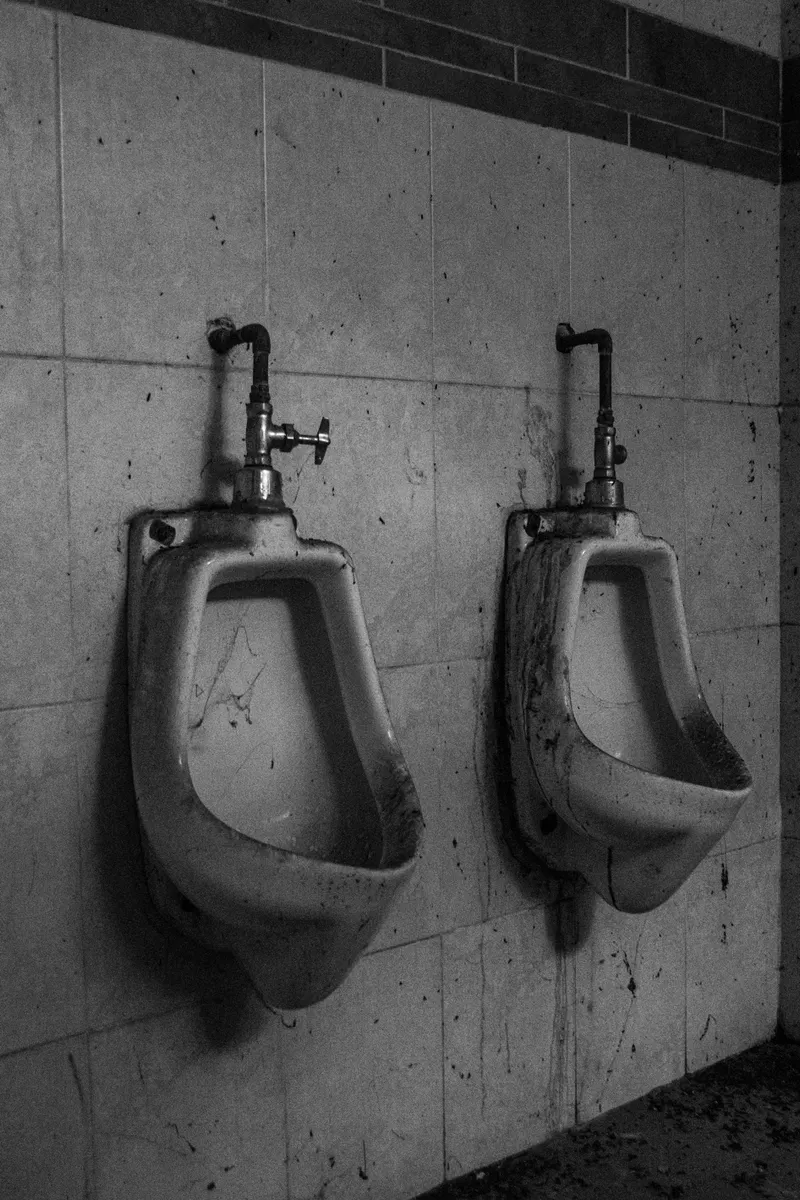
Photo Credit: YAHIR ARROYO
Frequently Asked Questions
How do you remove urine stains from a bathroom floor? Blot up fresh urine right away, apply an enzymatic cleaner and let it sit for the recommended time, then rinse and dry the area completely. Repeat on older or set-in stains.
How often should you clean urine stains from a bathroom floor? Clean fresh spots immediately, spot-check daily in households with young children or pets, and deep clean grout near the toilet every one to two weeks.
What cleaning products are safe for urine stains on a bathroom floor? An enzymatic cleaner is the most effective choice. Baking soda paste helps with grout discoloration. Avoid ammonia-based cleaners and never use vinegar on natural stone.
What should you avoid when cleaning urine stains from a bathroom floor? Avoid ammonia-based cleaners, aggressive scrubbing on grout, vinegar on stone floors, and masking odor with fragrance instead of using an enzymatic product.
How can you clean urine stains from a bathroom floor without damaging it? Use gentle enzymatic treatment on grout rather than heavy scrubbing, avoid acidic cleaners on natural stone, and dry vinyl or laminate seams quickly to prevent moisture from working underneath the surface.
Back to the complete bathroom cleaning guide for how stain removal fits into full bathroom maintenance.
A Quick Safety Note
Cleaning urine stains involves a few real precautions. Never use an ammonia-based cleaner for this specific task, since ammonia is a natural component of broken-down urine and can leave a scent that encourages repeat marking. Never combine bleach with an ammonia-based product, as this releases hazardous fumes. Avoid acidic cleaners like vinegar on natural stone floors, since they cause permanent etching. If an odor persists after repeated enzymatic treatment, it may point to urine that has reached a subfloor or deeper layer, which is a situation better handled by a flooring specialist than continued surface cleaning.



Leave a Reply