

If you want your kitchen sparkling clean without a cabinet full of harsh chemicals, a DIY eco-friendly kitchen cleaner can handle most everyday jobs. Simple ingredients like white vinegar, baking soda, and liquid castile soap clean countertops, sinks, stovetops, and appliance exteriors well, and they cost far less than most store-bought sprays. This guide is part of Eco-Friendly & Non-Toxic Kitchen Cleaning, and it walks through safe recipes, storage tips, and the mistakes that trip up a lot of first-time DIY cleaners.
The Quick Answer: What Works for Most Kitchen Jobs
For most routine kitchen cleaning, three ingredients cover almost everything:
- White vinegar and water (1:1) for glass, mirrors, and general grime
- Baking soda paste (baking soda and a little water) for scrubbing stovetops, sinks, and stuck-on residue
- Liquid castile soap diluted in warm water for countertops, cabinet fronts, and general degreasing
These three basics, used in the right spots, replace most single-purpose sprays sitting under your sink.
What Makes a Kitchen Cleaner "Eco-Friendly"?
An eco-friendly cleaner is generally one that breaks down easily in the environment, does not rely on harsh synthetic chemicals, and does not require special hazard warnings on the label. That usually means fewer volatile fumes, less packaging waste, and ingredients that are gentler on septic systems and waterways.
It does not automatically mean a product is risk-free. Even natural ingredients like vinegar (an acid) and undiluted essential oils can irritate skin, eyes, or airways if used carelessly. "Eco-friendly" describes the environmental impact, not a guarantee of zero risk to people, pets, or surfaces.
Are Natural or Homemade Cleaners Automatically Safer?
Not automatically. A homemade cleaner made with vinegar, baking soda, or castile soap is generally lower-impact than a chemical-heavy commercial spray, but "natural" does not mean "safe for every surface" or "safe in every amount."
Vinegar, for example, is a mild acid. It works well on glass and general grime, but it can etch natural stone (like marble or granite) and dull certain finishes over time. Undiluted essential oils can also cause skin or respiratory irritation for sensitive household members. The safety of any cleaner, homemade or store-bought, depends on the surface, the concentration, and how it's used.
Basic DIY Eco-Friendly Kitchen Cleaner Recipes
These recipes cover the most common kitchen cleaning tasks. Always test a new mixture on a small, hidden area first, especially on natural stone, unfinished wood, or unfamiliar finishes.
|
Cleaner |
Basic Recipe |
Best For |
Avoid Using On |
|
All-purpose spray |
1 cup water, 1 cup white vinegar, few drops liquid castile soap |
Countertops (sealed), sinks, general wipe-downs |
Natural stone, waxed wood |
|
Grease-cutting spray |
2 cups warm water, 2 tbsp liquid castile soap, 1 tbsp baking soda |
Stovetops, range hoods, cabinet fronts |
Unfinished or oiled wood |
|
Glass and stainless cleaner |
1 cup water, 1/2 cup vinegar, few drops rubbing alcohol |
Glass stovetops, stainless steel, oven doors |
N/A (test first on brushed finishes) |
|
Deodorizing scrub |
Baking soda plus enough water to form a paste |
Sink basins, garbage disposal odors, stuck-on grime |
Polished or honed stone surfaces |
For each recipe, mix ingredients in a spray bottle or bowl right before use, apply with a soft cloth or sponge, let it sit for a minute or two on tougher grime, then wipe and rinse with a damp cloth. Dry surfaces afterward to avoid water spots, especially on stainless steel.

Photo Credit: Hobby Guidebook Editorial
Adding Essential Oils Safely
Many homemade cleaner recipes call for a few drops of essential oil, mostly for scent rather than added cleaning power. Lemon, lavender, and tea tree are common choices, but essential oils are concentrated plant compounds and deserve some caution.
Keep these points in mind:
- Use only a few drops per batch; more is not more effective, just stronger-smelling and more likely to irritate skin.
- Some essential oils, including tea tree and certain citrus oils, can be harmful to cats and dogs if ingested or if pets walk across a freshly cleaned, still-damp surface and then groom themselves.
- If you share your kitchen with animals, it's worth reading Non-Toxic Kitchen Cleaning for Pet Owners before adding scented oils to your routine.
- Always dilute oils in water or soap base rather than applying them directly to skin or surfaces.
If you're unsure about a specific oil, it's simpler to leave it out. Vinegar and baking soda clean effectively without any added fragrance.
Storing Homemade Eco Cleaners Safely
Homemade cleaners don't have the preservatives found in many commercial products, so they don't last indefinitely. Follow these storage habits:
- Use a clean spray bottle or jar; residue from old products can react unpredictably with new ingredients.
- Label the bottle with contents and the date mixed. This matters most in households with kids or multiple caregivers who may not recognize an unlabeled spray.
- Store mixtures with vinegar or soap in a cool spot away from direct sunlight, which can break down essential oils faster.
- Use most homemade sprays within two to three weeks. If the smell changes or the mixture looks cloudy or separated beyond normal shaking, discard it.
- Keep all cleaners, homemade or store-bought, out of reach of children and pets, and away from food prep areas while in storage.
If your household includes young kids, it's worth reviewing Non-Toxic Kitchen Cleaning for Families with Kids for extra label-reading and storage habits that reduce accidental exposure.
Lower-Impact Cleaning Methods That Work Well in the Kitchen
Beyond mixing your own sprays, a few habits reduce waste and chemical use without any extra ingredients:
- Microfiber cloths lift grease and grime with water alone in many cases, cutting down on how much spray you need.
- Steam cleaning (using a handheld steamer) can sanitize stovetops and sink areas using only water and heat, though it's not suitable for unsealed wood or some electronics.
- Reusable spray bottles cut down on single-use plastic compared to buying a new bottle of cleaner every time.
- Spot cleaning first, rather than spraying an entire counter, reduces product use for small daily messes.
These lower-impact methods pair well with homemade cleaners and reduce both cost and environmental footprint over time.
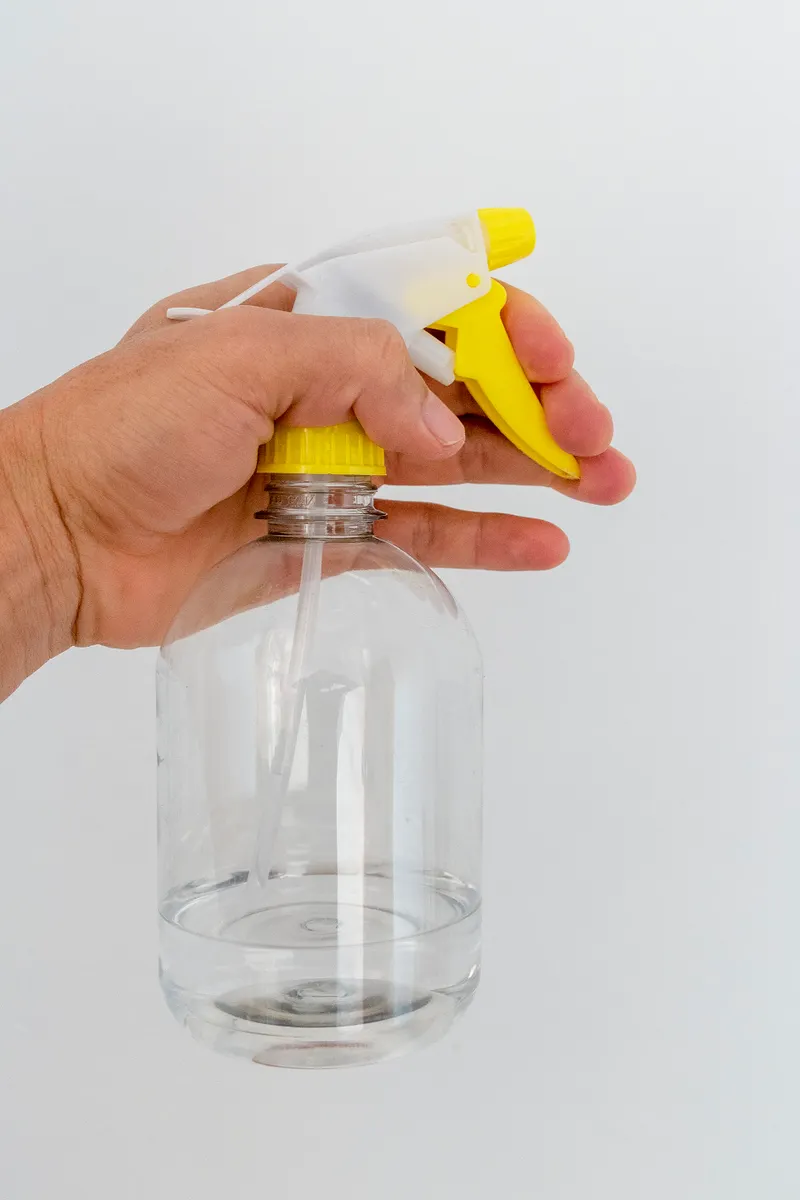
Photo Credit: Gilmer Diaz Estela
What to Check on a Cleaning Product Label for the Kitchen
Even when making your own cleaners, you're still buying base ingredients like castile soap, vinegar, or essential oils, so label reading still matters. Look for:
- Ingredient list: fewer, recognizable ingredients generally mean simpler formulations.
- Concentration: some castile soaps and vinegars are sold at different strengths; a higher concentration usually needs more dilution.
- Safety warnings: even natural products can carry "keep away from eyes" or "avoid on certain surfaces" notes worth reading.
- Surface compatibility: some bottled ingredients specify what they should not be used on, such as natural stone or certain metals.
If you're buying pre-made "eco" or "green" cleaners instead of mixing your own, the same label checks apply, since some products marketed as natural still contain fragrances or preservatives that can irritate sensitive skin.
Can a Homemade Cleaner Damage the Kitchen?
Yes, in certain situations. The most common issues include:
- Vinegar on natural stone: the acid can etch and dull marble, limestone, or granite over time, even with occasional use.
- Undiluted castile soap left to dry: it can leave a hazy, streaky film on glass or glossy surfaces if not rinsed well.
- Baking soda scrubs on soft or polished finishes: the mild abrasiveness can create fine scratches on some coated stovetops or polished stone.
- Essential oils on unsealed wood: oils can darken or stain porous wood surfaces.
None of these outcomes are guaranteed, since results depend on the specific surface, sealant, and how the cleaner is used. When in doubt about a particular material, our Surface & Material Cleaning guides go deeper into what's safe for stone, wood, and specialty finishes.
Common Mistakes to Avoid With Kitchen Cleaning
A few habits cause more harm than the ingredients themselves:
- Mixing vinegar with bleach. This combination can release chlorine gas, which is hazardous to breathe. Never combine the two, even in small amounts.
- Using vinegar-based sprays on natural stone counters without checking the material first.
- Skipping the rinse step, leaving soap or vinegar residue that attracts more dust and grime over time.
- Overloading recipes with essential oils, which increases irritation risk without improving cleaning power.
- Storing homemade cleaners near heat or sunlight, which speeds up ingredient breakdown.
The same mistakes apply beyond the kitchen. If you're setting up a bathroom routine too, DIY Eco-Friendly Bathroom Cleaners covers the adjustments needed for tile, grout, and fixtures.
Photo Credit: Aksel Ünlü
When to Use a Store-Bought Cleaner Instead
DIY cleaners handle most routine kitchen tasks well, but a few situations call for a commercial product instead:
- Disinfecting after raw meat or poultry prep, where an EPA-registered disinfectant is more reliable for killing pathogens than vinegar or soap alone.
- Manufacturer-specified cleaners for appliances still under warranty, since using an unapproved cleaner could affect coverage.
- Heavily soiled ovens or grease buildup, where a dedicated degreaser may work faster and with less scrubbing effort.
Manufacturer instructions should always take priority over a homemade alternative when they exist, especially for appliance finishes and food-safety situations.
For a broader look at routine and deep-cleaning tasks across the whole kitchen, from cabinets to the dishwasher, see the full kitchen cleaning guide.
Frequently Asked Questions
Are natural or homemade cleaners automatically safer for the kitchen? No. They're generally lower in synthetic chemicals, but ingredients like vinegar and essential oils still carry surface and safety considerations depending on how and where they're used.
Which lower-impact cleaning methods work well for the kitchen? Microfiber cloths, steam cleaning, reusable spray bottles, and spot cleaning all reduce product use and waste alongside homemade recipes.
What should you check on a cleaning-product label for the kitchen? Check the ingredient list, concentration, any surface warnings, and safety notes, even on products marketed as natural or green.
Can a homemade cleaner damage the kitchen? Yes, in specific cases. Vinegar can etch natural stone, and abrasive pastes can scratch polished or coated surfaces if used too aggressively.
What common mistakes should you avoid with the kitchen? Avoid mixing vinegar with bleach, skipping rinse steps, using vinegar on unconfirmed stone surfaces, and overusing essential oils in homemade blends.
A quick safety note: Always test a new homemade cleaner on a small, hidden area before full use, and never mix vinegar, ammonia, or other acids with bleach, since this can produce hazardous fumes. When manufacturer instructions exist for an appliance or surface, follow those over a homemade recipe. If a spill, stain, or surface issue seems beyond routine cleaning, it's worth consulting a professional or the product manufacturer directly.


Leave a Reply