
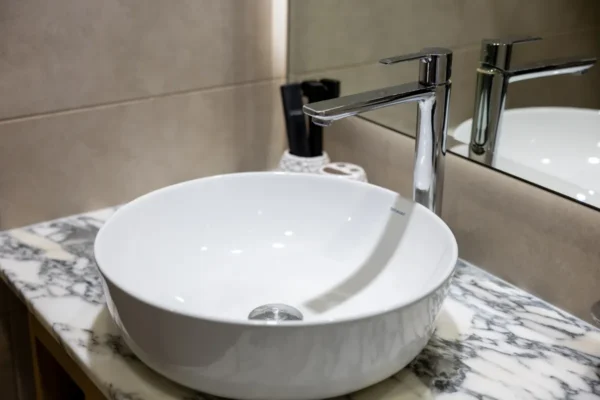
A granite vanity top brings real durability to a bathroom, but it isn't invincible. Natural stone is porous, which means it can absorb liquids, react to acidic cleaners, and lose its protective sealant over time if it's cleaned the wrong way. Stone and granite vanity top cleaning calls for a gentler, more deliberate approach than a lot of the everyday cleaners people reach for out of habit.
This guide covers the best way to clean a granite vanity top, how often it needs attention, which products are safe, and the mistakes that shorten a sealant's lifespan. This article is Part of Bathroom Sink & Vanity Cleaning Guide, which covers sink and vanity care across every common surface type.
The Best Way to Clean a Stone or Granite Vanity Top
- Clear the counter of everyday items like toothbrush holders, soap dispensers, and other clutter so the full surface is accessible.
- Wipe with a soft cloth and warm water to remove loose dust, hair, and light residue before applying any cleaner.
- Apply a pH-neutral stone cleaner formulated specifically for granite or other natural stone, spraying a light, even layer across the surface rather than soaking it.
- Wipe in a circular motion with a soft microfiber cloth, giving extra attention to areas around the faucet base and sink edge where soap and toothpaste residue tend to collect.
- Rinse with a clean, damp cloth to remove any cleaner residue, since leftover product can dull the stone's finish over time.
- Dry immediately with a dry microfiber cloth rather than letting the counter air dry, which helps prevent water spots and reduces the chance of moisture sitting on the surface.
Granite's natural sealant is what protects it from staining and moisture absorption, and every step of this routine is built around preserving that layer rather than wearing it down. A pH-neutral cleaner does the job just as effectively as a stronger product without putting that sealant at risk.
How Often Should You Clean a Granite Vanity Top
|
Task |
Suggested Frequency |
|
Quick wipe with a soft cloth |
Daily |
|
Full clean with pH-neutral stone cleaner |
2 to 3 times per week |
|
Check for water spots or dullness |
Weekly |
|
Sealant condition check |
Every 6 months to a year |
A bathroom vanity used daily by multiple people tends to need the full clean on the higher end of that range, since toothpaste and soap residue build up faster with more frequent use. The sealant check matters more than people expect, since a granite countertop that's lost its seal absorbs liquids far more easily and becomes more vulnerable to staining, even from routine products like toothpaste or mouthwash.
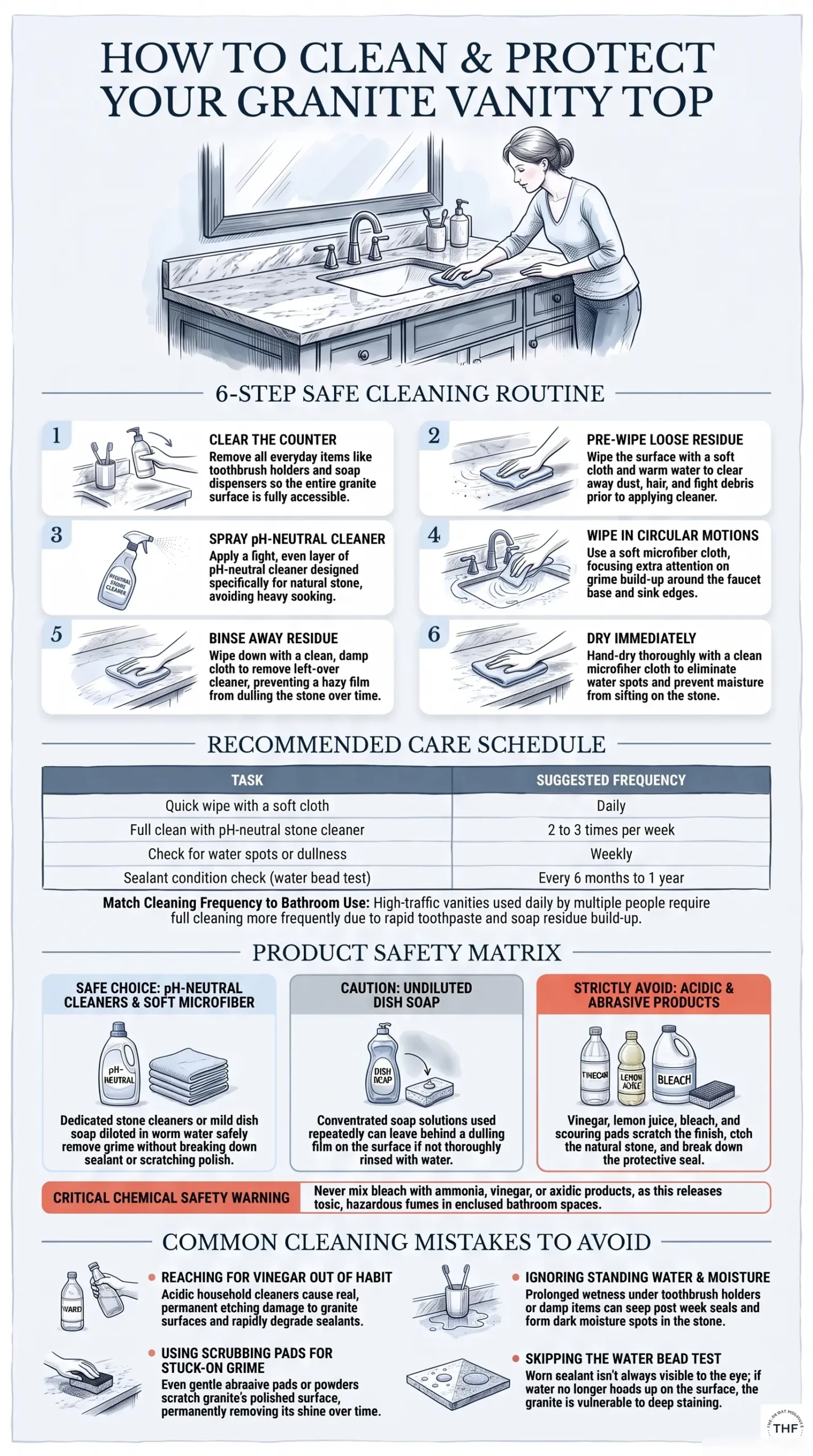
Photo Credit: Hobby Guidebook Editorial
What Cleaning Products Are Safe for a Granite Vanity Top
Generally safe:
- A pH-neutral stone cleaner, specifically formulated for granite and other natural stone surfaces
- Mild dish soap diluted in warm water, suitable for light daily wiping when a dedicated stone cleaner isn't on hand
- A soft microfiber cloth, which cleans effectively without scratching the polished surface
Use with caution:
- Homemade solutions using dish soap and water left undiluted, since concentrated soap can leave a dulling film with repeated use if not rinsed thoroughly
Avoid:
- Vinegar, lemon juice, or any acidic cleaner, since acids can etch granite's surface and break down its sealant over time
- Bleach-based cleaners, which can also affect certain sealants and shouldn't be used as a routine cleaner on natural stone
- Abrasive powders, scouring pads, or anything with grit, since these scratch granite's polished finish
- Mixing bleach with ammonia, vinegar, or other acidic products, which can release hazardous fumes in an enclosed bathroom space
Manufacturer guidance should always take priority when it comes to the specific sealant used on your vanity top, since sealant products vary and some have narrower compatibility with certain cleaners than others.
Common Mistakes When Cleaning a Stone or Granite Vanity Top
- Using vinegar or other acidic cleaners out of habit. These work well on many surfaces around the home, but granite is one of the materials where an acidic cleaner does real, sometimes permanent, damage to the surface.
- Skipping the sealant check entirely. A worn sealant isn't always obvious to the eye, and by the time staining shows up, the damage has often already happened.
- Letting standing water or toiletry products sit on the surface. Prolonged moisture, even from a wet toothbrush holder, can seep into unsealed or poorly sealed granite and cause dark spots.
- Using an abrasive sponge for stuck-on grime. Granite is durable, but its polished surface still scratches with the wrong tool, dulling its natural shine over time.
- Applying too much cleaner and not rinsing fully. Leftover residue builds a hazy film that makes the counter look dull even right after cleaning.
- Ignoring the seam where the vanity top meets the sink. This area collects grime just like any tile grout line and needs the same gentle attention as the rest of the surface.
Eco-Friendly Way to Clean a Stone or Granite Vanity Top
A simple, low-impact routine works well for granite without relying on heavily fragranced or chemically intensive commercial products. Warm water and a few drops of mild, unscented dish soap handle most daily grime effectively, and a soft microfiber cloth used for both cleaning and drying reduces the need for disposable wipes.
For a slightly deeper clean without acidic ingredients, a small amount of pH-neutral stone cleaner goes a long way, since granite doesn't need heavy scrubbing or strong chemicals to come clean. Baking soda, often suggested as a natural alternative for other surfaces, should be used carefully on granite and only as a very light paste for occasional spot treatment, since repeated abrasive use, even with a gentle ingredient, can affect the polish over time.
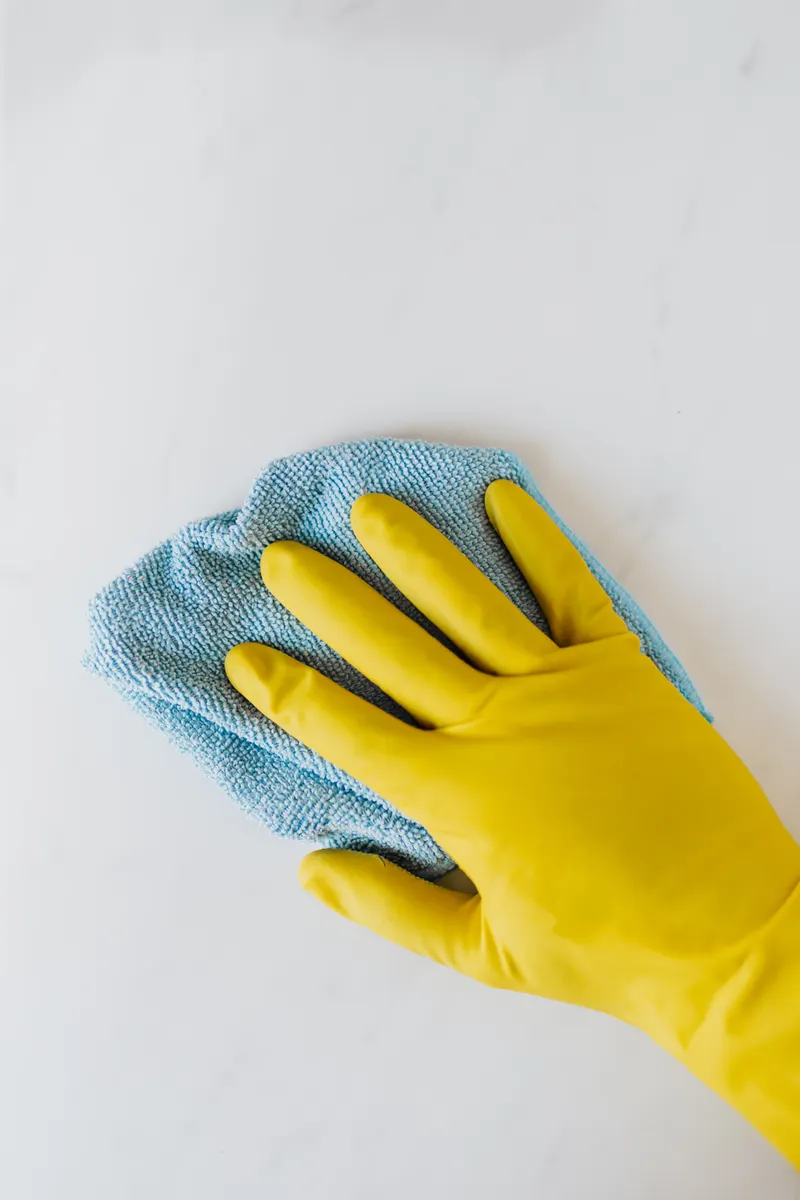
Photo Credit: https://kaboompics.com/
Reusable microfiber cloths, rather than paper towels or disposable wipes, cut down on waste while also being gentler on the stone's finish. This approach keeps the routine simple, avoids unnecessary chemical exposure in the bathroom, and still protects the surface just as effectively as a stronger commercial product would.
What to Avoid When Cleaning a Granite Vanity Top
- Any cleaner containing vinegar, lemon, or other acidic ingredients, since these etch granite's surface, sometimes permanently.
- Abrasive pads, scouring powders, or anything with visible grit, which scratch the polished finish.
- Bleach used as a routine cleaner, since it can interact poorly with certain sealants over repeated use.
- Leaving cleaner or standing water on the surface for extended periods, which increases the risk of moisture reaching the stone beneath the seal.
- Mixing bleach with ammonia or acidic products, which can produce hazardous fumes regardless of the surface being cleaned.
Granite's sealant is the single biggest factor protecting the stone from staining and moisture damage, and understanding how that seal works, how long it lasts, and when it needs to be reapplied is covered in more detail in Sealing a Granite Vanity Top. That resource pairs well with routine cleaning, since the two work together to keep the surface protected long term.
Cleaning a Granite Vanity Top Without Damaging It
The biggest risk to a granite vanity top isn't dirt or grime, it's the wrong cleaner slowly wearing down the sealant that protects the stone underneath. Sticking with a pH-neutral stone cleaner or mild diluted soap, paired with a soft microfiber cloth, protects both the polish and the seal without sacrificing cleaning power.
Testing any new product on a small, inconspicuous area, such as the underside edge of the vanity top, is worth doing before using it across the full surface, especially if the exact sealant type isn't known. If water no longer beads up on the surface the way it used to, that's usually a sign the sealant has worn down and needs reapplication before staining becomes a real risk.

Photo Credit: Artem Podrez
Not every bathroom vanity is natural stone, and it helps to know the difference before choosing a cleaning method. Cultured marble, a manufactured material with a gel coat finish, looks similar to natural stone but has very different cleaning needs, particularly around which products are safe for its coating, covered in Cultured Marble Vanity Cleaning for anyone unsure which material their vanity actually is.
Frequently Asked Questions
What is the best way to clean a stone or granite vanity top? Wipe with a soft cloth and warm water, apply a pH-neutral stone cleaner, wipe in a circular motion, rinse thoroughly, and dry immediately with a microfiber cloth to prevent water spots.
How often should you clean a stone or granite vanity top? A daily quick wipe and a full clean two to three times per week keep most granite vanity tops looking good. Check the sealant every six months to a year to catch wear before it leads to staining.
What cleaning products are safe for a stone or granite vanity top? A pH-neutral stone cleaner or mild diluted dish soap are both safe choices. Avoid vinegar, lemon juice, bleach, and any abrasive powders or pads.
What should you avoid when cleaning a stone or granite vanity top? Avoid acidic cleaners, abrasive tools, letting moisture sit on the surface, and mixing bleach with ammonia or acidic products.
How can you clean a stone or granite vanity top without damaging it? Use a pH-neutral cleaner and a soft microfiber cloth, avoid acidic or abrasive products, and check periodically whether water still beads on the surface as a sign the sealant is holding up.
Explore the complete bathroom cleaning guide for how granite vanity care fits into full bathroom upkeep.
A Quick Safety Note
Stone and granite vanity top cleaning depends heavily on avoiding acidic products and harsh chemicals that can etch the surface or break down its sealant. Never mix bleach with ammonia, vinegar, or other acidic cleaners, since this can release hazardous fumes in an enclosed bathroom. Test any new product on a small hidden area first, follow the sealant manufacturer's guidance when available, and consult a stone care professional if you notice etching, staining, or a sealant that no longer seems to be protecting the surface.



Leave a Reply