

Cultured marble looks like natural stone, but it's actually a manufactured material made from crushed limestone mixed with resin and topped with a glossy gel coat. That gel coat is the key difference, and it's exactly why cultured marble vanity cleaning needs its own approach rather than borrowing methods meant for granite or natural marble. Treat it like real stone and you risk damaging a finish that's actually closer to a fiberglass coating than to solid rock.
This guide covers the best way to clean a cultured marble vanity, which products are genuinely safe for the gel coat, how often it needs attention, what tools make the job easier, and the mistakes that dull its shine faster than normal wear ever would. This article is Part of Bathroom Sink & Vanity Cleaning Guide, which covers sink and vanity care across every common surface type.
The Best Way to Clean a Cultured Marble Vanity
- Clear the vanity top of toothbrush holders, soap dispensers, and other everyday items so you can reach the full surface.
- Wipe with a soft cloth and warm water to remove loose dust and light residue before applying any cleaner.
- Apply a mild, non-abrasive cleaner, such as a small amount of dish soap diluted in water or a cleaner labeled safe for gel coat and fiberglass surfaces.
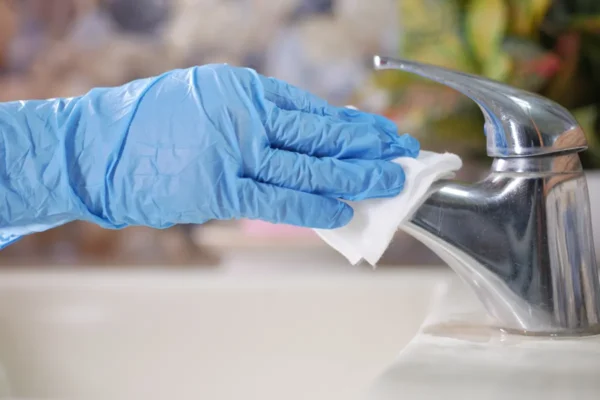
- Wipe gently in a circular motion with a soft cloth or sponge, giving extra attention to the area around the sink basin and faucet base where soap scum tends to build up.
- Rinse thoroughly with clean water to remove any cleaner residue, since leftover product can leave a dull film on the glossy finish.
- Dry with a soft towel rather than letting the surface air dry, which helps prevent water spots and keeps the gel coat looking glossy.
The gel coat is what gives cultured marble its shine, and it's also the most vulnerable part of the material. Every step in this routine is built around protecting that coating rather than working against it with something too strong or too abrasive.
Tools Needed for Cultured Marble Vanity Cleaning
Cleaning cultured marble doesn't require anything specialized, but having the right basics on hand keeps the routine quick and reduces the temptation to reach for something too harsh.
- A soft microfiber cloth, the main tool for both cleaning and drying, since it won't scratch the gel coat the way a rougher cloth or sponge might
- A non-abrasive sponge, useful for slightly more stubborn residue around the faucet base without the scratch risk of a scouring pad
- A mild dish soap or a gel-coat-safe cleaner, kept separate from stronger bathroom products so there's no temptation to grab an ammonia-based cleaner out of habit
- A soft-bristled brush, such as an old toothbrush, for gently working soap scum out of the seam where the vanity top meets the sink basin
- A dry towel, dedicated to the final drying step so water spots don't have a chance to form on the glossy surface
Keeping these items stored together near the vanity makes the daily wipe-down faster and helps prevent someone from grabbing a general-purpose bathroom cleaner that isn't actually suited to the gel coat.
How Often Should You Clean a Cultured Marble Vanity
|
Task |
Suggested Frequency |
|
Quick wipe with a soft cloth |
Daily |
|
Full clean with mild soap or gel-coat-safe cleaner |
2 to 3 times per week |
|
Check for dullness or scratches |
Weekly |
|
Deeper polish for restoring shine |
Every few months, as needed |
A vanity used daily by multiple people usually needs the full clean on the more frequent end of that range, since toothpaste splatter and soap residue build up quickly with regular use. Checking for dullness weekly helps catch early gel coat wear before it becomes a bigger, harder-to-fix problem.
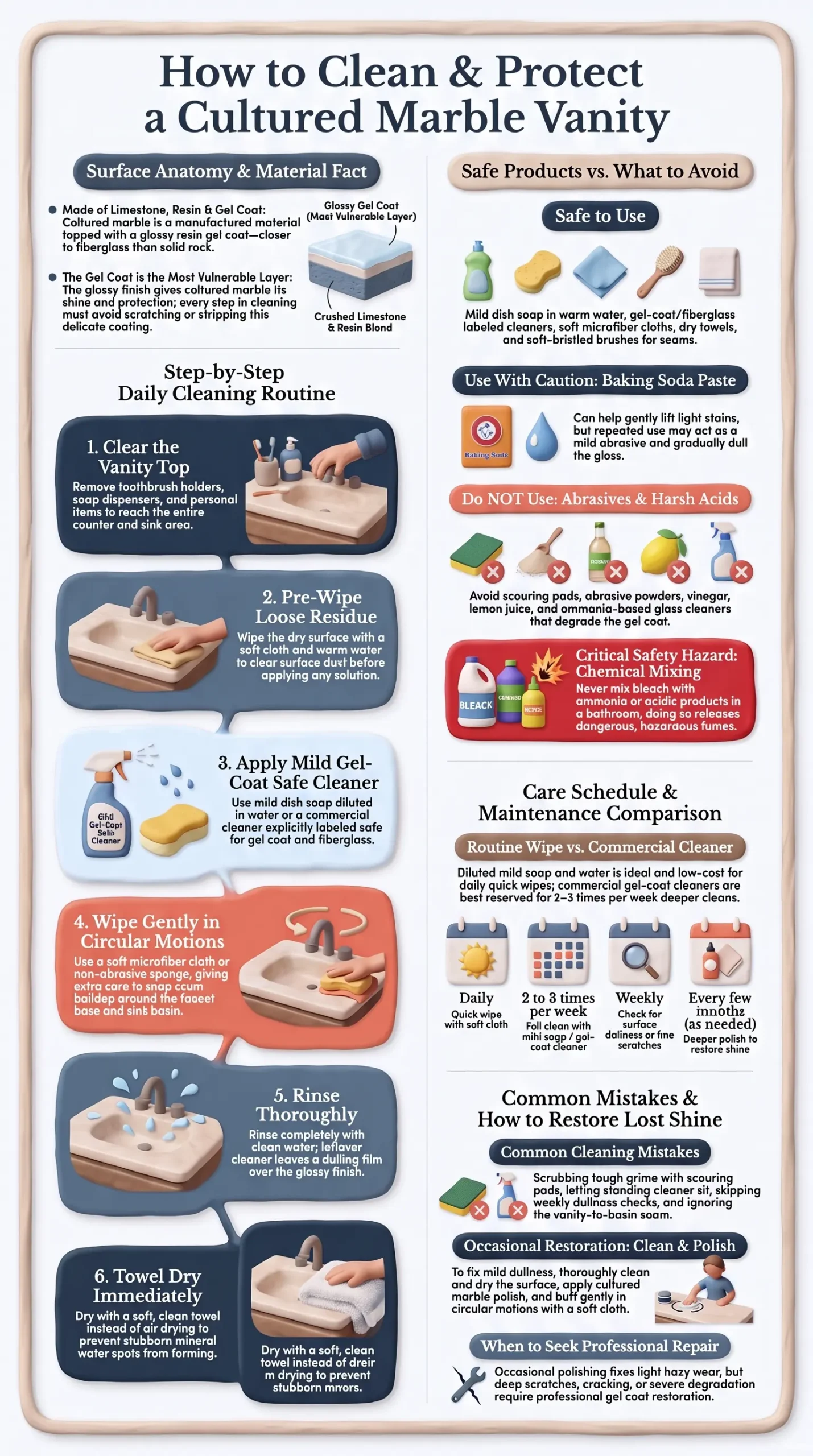
Photo Credit: Hobby Guidebook Editorial
What Cleaning Products Are Safe for a Cultured Marble Vanity
Generally safe:
- Mild dish soap diluted in warm water, suitable for daily and routine cleaning
- A cleaner specifically labeled safe for gel coat, fiberglass, or cultured marble surfaces
- A soft cloth or non-abrasive sponge, which cleans effectively without scratching the glossy coating
Use with caution:
- Baking soda paste, which can help with light stains but should only be used gently, since even a mild abrasive can dull the gel coat with repeated use over time
Avoid:
- Abrasive powders, scouring pads, or anything with visible grit, since these scratch the gel coat more easily than most people expect
- Ammonia-based cleaners, which can break down the gel coat's finish over repeated use
- Acidic cleaners like vinegar or lemon juice, which can dull or damage the surface depending on the specific gel coat formulation
- Mixing bleach with ammonia or acidic products, which can release hazardous fumes in an enclosed bathroom space
Manufacturer guidance should take priority whenever it's available, since gel coat formulations vary between manufacturers and some cultured marble products come with specific cleaning recommendations tied to their particular finish.
Best Product for a Cultured Marble Vanity
There isn't one single product that works best for every cultured marble vanity, since gel coat formulations differ slightly between manufacturers. That said, a cleaner specifically labeled for use on gel coat, fiberglass, or cultured marble surfaces is generally the safest and most effective choice, since these formulas are designed to clean without stripping the glossy finish or leaving it hazy.
For everyday use, a simple mixture of mild dish soap and warm water handles most light grime just as well, without the need to buy a specialty product for routine wiping.
|
Factor |
Gel-Coat-Safe Commercial Cleaner |
Mild Soap and Water |
|
Best use |
Deeper twice-weekly clean, soap scum buildup |
Daily quick wipe, light residue |
|
Cost over time |
Ongoing product purchase |
Very low cost |
|
Risk to gel coat |
Low, when labeled for the material |
Low, when soap is properly diluted |
|
Convenience |
Ready to use, no mixing |
Needs mixing before each use |
Reserving the dedicated gel-coat cleaner for the deeper, twice-weekly clean while relying on simple soap and water for daily wiping is usually enough to keep the surface looking consistent without overcomplicating the routine or buying more product than necessary.
Common Mistakes When Cleaning a Cultured Marble Vanity
- Using an abrasive sponge or scouring pad for tough grime. This is the single most common way people scratch and dull a gel coat finish, often without realizing the damage until the shine is already gone.
- Applying vinegar or another acidic cleaner out of habit. Acidic products that work fine on some bathroom surfaces can dull or damage cultured marble's coating.
- Letting cleaner or standing water sit on the surface. Prolonged moisture around the sink basin can lead to dullness or, in some cases, minor damage to the gel coat over time.
- Skipping the weekly dullness check. Catching early wear lets you address it with a gentler polish rather than waiting until the damage requires more aggressive restoration.
- Using ammonia-based glass cleaners as an all-purpose product. These are fine for glass and mirrors but can weaken cultured marble's gel coat with repeated use.
- Ignoring the seam where the vanity top meets the sink basin. This area collects grime just like any other seam and needs the same gentle attention as the rest of the surface.

Photo Credit: Max Vakhtbovych
How to Restore Shine to a Dulled Cultured Marble Vanity
Even with regular cleaning, a cultured marble surface can start looking a little flat or hazy over time, usually from small amounts of residue buildup or very fine surface wear rather than anything serious. A few extra steps, done occasionally rather than as part of the daily routine, can bring back some of that original shine.
- Clean the surface thoroughly first, using the standard mild soap or gel-coat-safe cleaner routine, and make sure it's completely dry before moving on.
- Apply a small amount of cultured marble or gel coat polish, following the product's label instructions, since application methods and wait times vary by formula.
- Buff gently with a soft, dry cloth in small circular motions, working in manageable sections rather than the whole counter at once.
- Check the surface under good lighting after buffing to see whether the shine has evened out, and repeat only if the label allows another application.
This kind of polishing step is meant to be occasional, not routine, since overusing a polish product can sometimes leave its own buildup. If a vanity has deep scratches, cracking, or damage that goes beyond surface dullness, that's usually a sign the gel coat needs professional attention rather than a home polish treatment.
Cleaning a Cultured Marble Vanity Without Damaging It
The biggest risk to a cultured marble vanity isn't dirt, it's the wrong tool or the wrong chemical slowly wearing down the gel coat that gives the surface its shine. Sticking with a soft cloth, mild soap, or a gel-coat-safe cleaner protects that finish without sacrificing how clean the surface actually gets.
Testing any new product on a small, inconspicuous area, such as the underside edge of the vanity top, is worth doing before using it across the full surface, especially since gel coat formulations aren't always identical between manufacturers. If the surface starts looking hazy or slightly rough to the touch even after a thorough clean, that's usually a sign the gel coat has taken some wear and may need a specialty polish rather than more scrubbing.
A cultured marble vanity often shares space with a faucet that needs its own specific care, particularly around mineral buildup and finish compatibility, which is covered in Bathroom Faucet Cleaning for anyone looking to keep both surfaces working together without one routine damaging the other.
Cultured Marble and the Rest of the Sink Setup
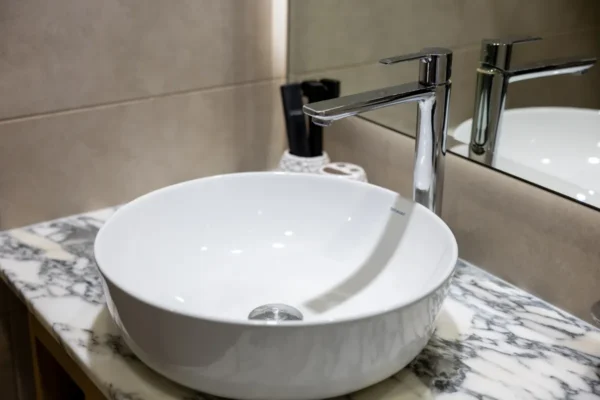
Many cultured marble vanities come with an integrated sink basin, meaning the counter and sink are one continuous piece rather than two separate parts. This makes drain and stopper cleaning slightly more important to keep up with, since grime around the drain opening sits directly against the same gel coat finish as the rest of the counter. Left unchecked, buildup around the drain can spread onto the surrounding surface and become harder to distinguish from general gel coat dullness.
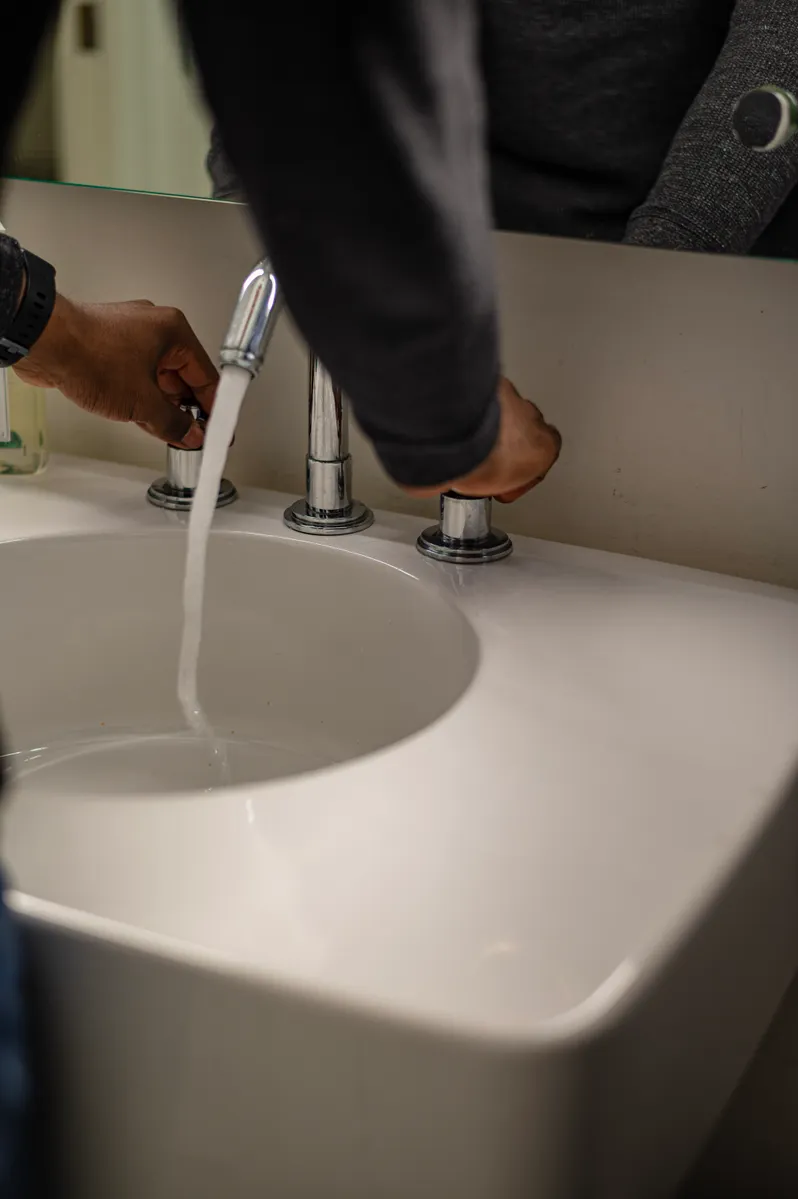
Photo Credit: PNW Production
Keeping the drain and stopper clear on this style of vanity, covered in Bathroom Sink Drain & Stopper Cleaning, helps prevent that spread and keeps the whole surface looking consistent. Because the basin and counter are one piece on most cultured marble vanities, any product used near the drain ends up in contact with the same gel coat covering the rest of the top, so sticking with the same gentle, non-abrasive approach for both areas makes more sense than treating the sink and counter as two separate cleaning jobs.
Frequently Asked Questions
What is the best way to clean a cultured marble vanity? Wipe with a soft cloth and warm water, apply a mild soap or gel-coat-safe cleaner, wipe gently in a circular motion, rinse thoroughly, and dry with a soft towel to keep the finish glossy.
How often should you clean a cultured marble vanity? A daily quick wipe and a full clean two to three times per week keep most cultured marble vanities looking good. Check weekly for early signs of dullness or scratching.
What cleaning products are safe for a cultured marble vanity? Mild dish soap diluted in water or a cleaner labeled safe for gel coat and fiberglass surfaces are both good choices. Avoid ammonia, acidic cleaners, and abrasive powders or pads.
What should you avoid when cleaning a cultured marble vanity? Avoid abrasive sponges, acidic cleaners like vinegar, ammonia-based products, and mixing bleach with ammonia or acidic cleaners.
How can you clean a cultured marble vanity without damaging it? Use a soft cloth with mild soap or a gel-coat-safe cleaner, avoid abrasive tools and acidic products, and test anything new on a small hidden area before using it on the full surface.
View the full bathroom cleaning guide for how cultured marble care fits into complete bathroom maintenance.
A Quick Safety Note
Cultured marble vanity cleaning depends on avoiding ammonia, acidic cleaners, and abrasive products that can damage the gel coat finish. Never mix bleach with ammonia or acidic cleaners, since this can release hazardous fumes in an enclosed bathroom. Test any new product on a small hidden area first, follow manufacturer guidance when it's available, and consider a professional gel coat restoration service if the surface develops deep scratches, cracking, or damage that routine cleaning can't fix.


Leave a Reply