
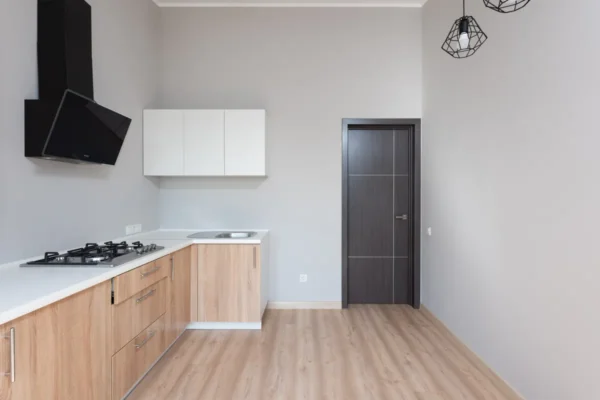
Wood cabinets take on more daily wear than almost anything else in the kitchen. Hands touch them dozens of times a day, cooking grease drifts onto the doors, and spills land on the surface below the hinges. Good wood kitchen cabinet cleaning keeps that buildup from turning into a sticky film that's hard to remove later.
This guide covers safe, simple ways to clean wood cabinets without stripping the finish or damaging the wood underneath. It's part of the Kitchen Cabinet & Drawer Cleaning Guide, which covers cabinet care for every material type.
The Best Way to Clean Wood Cabinets (Quick Answer)
For most wood cabinets with a sealed finish, the safest method is:
- Dust the surface with a soft, dry microfiber cloth.
- Wipe with a cloth lightly dampened in warm water and a small amount of mild dish soap.
- Wipe again with a clean, barely damp cloth to remove soap residue.
- Dry the surface right away with a soft towel.
This works for daily wipe-downs and most light grease. Heavier buildup needs a stronger approach, covered below.
What You Need Before You Start
You don't need a large kit for this job. Gather:
- Two or three soft microfiber cloths
- A mild dish soap (unscented, if possible)
- Warm water
- A soft-bristle brush for grooves and corners (an old toothbrush works)
- A dry towel for buffing
Skip anything abrasive. Scouring pads, stiff scrub brushes, and gritty powders can scratch wood finishes, especially on cabinet doors that get direct light. A scratch in the finish exposes the wood underneath to moisture, which can lead to swelling or discoloration over time.
Step-by-Step: Cleaning Wood Kitchen Cabinets
Step 1: Clear and dust first. Remove anything sitting on top of the cabinets and wipe away loose dust with a dry cloth. This keeps grit from getting rubbed into the finish once you add moisture.
Step 2: Mix a mild cleaning solution. Combine a few drops of dish soap with warm water in a small bowl. Dip a cloth in the solution and wring it out until it's just damp, not wet. Wood finishes don't respond well to standing water, so avoid soaking the cloth.
Step 3: Wipe with the wood grain. Clean in the direction of the wood grain rather than in circles. This helps lift dirt out of the grain lines instead of pushing it deeper in.
Step 4: Rinse with a second cloth. Dampen a fresh cloth in plain water and wipe over the same areas to remove any soap film. Leftover soap can leave cabinets looking dull or streaky.
Step 5: Dry immediately. Buff the surface dry with a soft towel. Don't let cabinets air-dry, especially around the sink or dishwasher. Standing moisture is one of the main reasons wood finishes wear out early.
Step 6: Check corners and hardware. Use the soft brush to clean around knobs, hinges, and detail work where grease tends to collect. These spots often need a second pass since they trap more residue than flat surfaces.
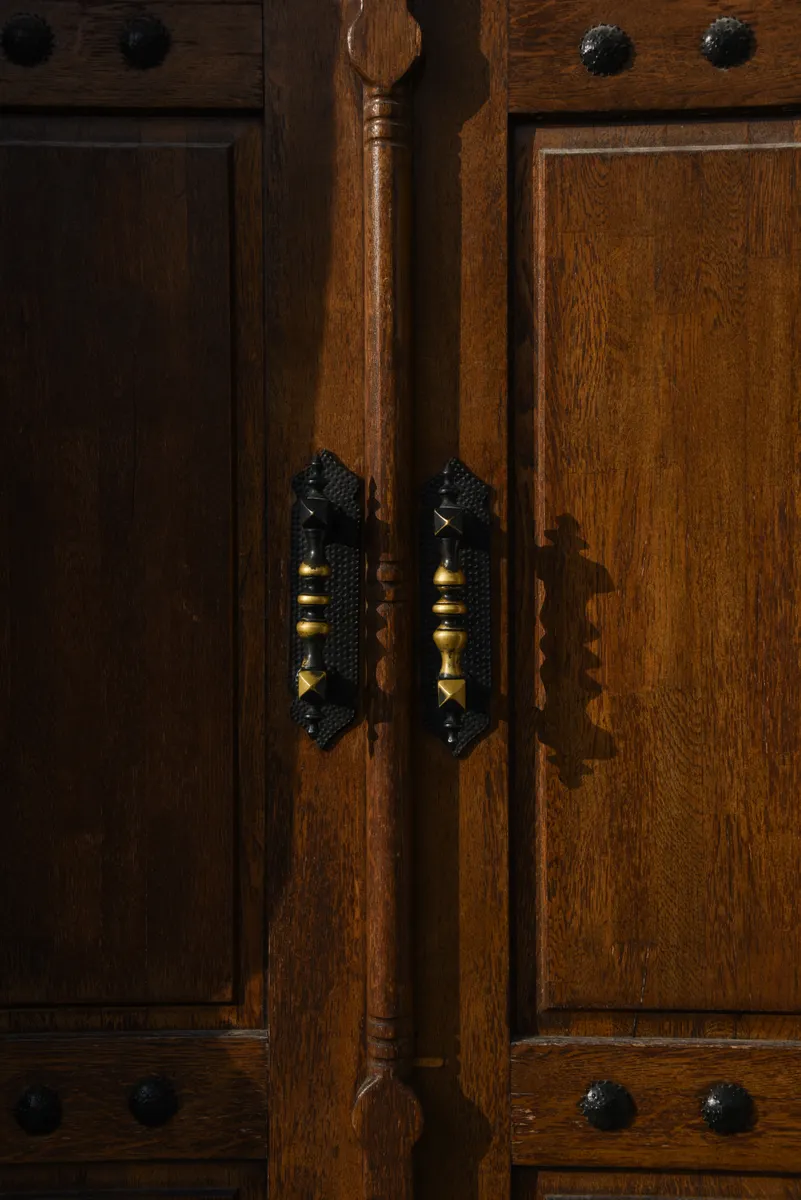
Photo Credit: uhumrea D.
Removing Grease and Buildup Without Damaging the Finish
Grease buildup on wood cabinets, especially near the stove, needs a bit more than soap and water. A common approach is a slightly stronger dish soap solution, applied briefly and wiped clean right away so it doesn't sit on the finish too long.
Avoid reaching for degreasing sprays labeled for ovens or heavy-duty kitchen use. Many of these contain stronger solvents that can dull, soften, or strip a wood finish, particularly on older cabinets or hand-applied stains. If you're dealing with a thick, sticky layer above the stove, it's worth reading our full breakdown on Removing Grease Buildup from Wood Cabinets, which covers stronger methods that still stay safe for finished wood.
As a general rule, test any new cleaning product on a small, hidden spot first, like the inside edge of a door. Wait a few minutes and check for any change in color or sheen before using it on visible surfaces.
Cleaning Different Wood Cabinet Finishes
Not all wood cabinets are finished the same way, and the right cleaning approach depends on what's protecting the wood.
Sealed or lacquered finishes These are the most common and the most forgiving. A mild soap and water solution, followed by thorough drying, works well and is unlikely to cause damage if you don't let water sit.
Oil-finished or waxed wood These finishes sit closer to the wood surface and can be more sensitive to water and soap. For these, a barely damp cloth with plain water is often safer than a soap mixture. Manufacturer care instructions, if you have them, should take priority here since oil finishes vary by product.
Unfinished or raw wood Uncommon in kitchens but occasionally found on open shelving. This type absorbs moisture quickly, so stick to a dry or nearly dry cloth and avoid soap altogether unless the wood has been treated.
Painted wood cabinets Painted cabinets are technically wood underneath, but the paint layer changes how you should clean them. Harsh scrubbing or the wrong cleaner can chip or dull painted surfaces in a way that doesn't happen with a clear finish. If your cabinets are painted rather than stained or clear-coated, see our dedicated guide on Painted Cabinet Cleaning for the right products and technique.
Photo Credit: Max Vakhtbovych
Safe Products vs. Products to Avoid
|
Product |
Safe for most sealed wood cabinets? |
Notes |
|
Mild dish soap and water |
Yes |
Best everyday choice; rinse and dry fully |
|
Microfiber cloth |
Yes |
Gentle and won't scratch |
|
Vinegar solutions |
Use with caution |
Can dull some finishes over time; not recommended for daily use |
|
All-purpose cleaning sprays |
Depends on formula |
Check the label for wood-safe claims; some contain solvents |
|
Oven cleaners or degreasers |
No |
Too strong for wood finishes |
|
Abrasive scrub pads or powders |
No |
Can scratch and dull the surface |
|
Wax-based wood polish |
Sometimes |
Fine for occasional shine, but can build up if overused |
If you're ever unsure whether a specific product is safe, the cabinet manufacturer's care instructions should take priority over general advice. Finish types vary enough that what works on one cabinet line may not suit another.
How Often Should You Clean Wood Cabinets
A light wipe-down two or three times a week keeps grease and dust from settling in. Areas near the stove or a busy prep zone may need daily attention, since cooking oils travel further than people expect.
A deeper clean, covering every door front, handle, and the underside of upper cabinets, is worth doing about once a month. This catches buildup that daily wiping misses, especially in grooves and along the top edges where dust collects.
Keeping a simple routine also makes organizing easier, since clean surfaces and clear shelves go hand in hand. If clutter is part of the problem, our Kitchen Cabinet Organization Guide has practical layout ideas that reduce the mess building up on cabinet fronts in the first place.

Photo Credit: Liliana Drew
Common Mistakes to Avoid
- Using too much water. Wood finishes don't like standing moisture, especially around seams and edges where water can seep in.
- Skipping the rinse step. Leftover soap dulls the finish and can attract more dust over time.
- Reaching for strong degreasers. These are made for painted metal and glass, not wood.
- Scrubbing instead of wiping. Grease often needs a slightly longer contact time with a mild cleaner, not more scrubbing pressure.
- Ignoring hardware and grooves. Grease collects fastest in decorative details and around knobs, so these spots need regular attention even if the flat panels look clean.
When to Call a Professional
Most wood cabinet cleaning is a DIY task. Professional help makes more sense when:
- The finish has worn through in spots and the wood underneath is exposed
- Water damage has caused swelling, warping, or peeling
- You're dealing with years of neglected grease buildup that hasn't responded to mild cleaning
- You want to refinish or reseal the wood rather than just clean it
A refinishing job is a different scope of work than routine cleaning, and it usually calls for sanding and product knowledge beyond a basic wipe-down.
FAQ
What is the best way to clean wood cabinets? Use a soft cloth with warm water and a small amount of mild dish soap, wipe with the grain, rinse with a second damp cloth, and dry right away.
How often should you clean wood cabinets? Light wiping two to three times a week, with a full deep clean about once a month, keeps most kitchens in good shape.
What cleaning products are safe for wood cabinets? Mild dish soap, warm water, and a microfiber cloth are safe for most sealed finishes. Always check specific product labels or manufacturer instructions for oil or wax finishes.
What should you avoid when cleaning wood cabinets? Avoid oven cleaners, strong degreasers, abrasive pads, and letting water sit on the surface. These can dull or damage the finish over time.
How can you clean wood cabinets without damaging them? Keep cloths only slightly damp, wipe in the direction of the grain, rinse away soap, and dry the surface immediately instead of letting it air-dry.
For the rest of your kitchen care routine, view the full kitchen cleaning guide for room-by-room instructions.
A quick safety note: always check a cleaning product's label before using it on wood, and test anything new on a hidden spot first. Never mix cleaning chemicals unless the label confirms it's safe. For serious finish damage or water-related warping, a professional refinisher is the safer route.





Leave a Reply