
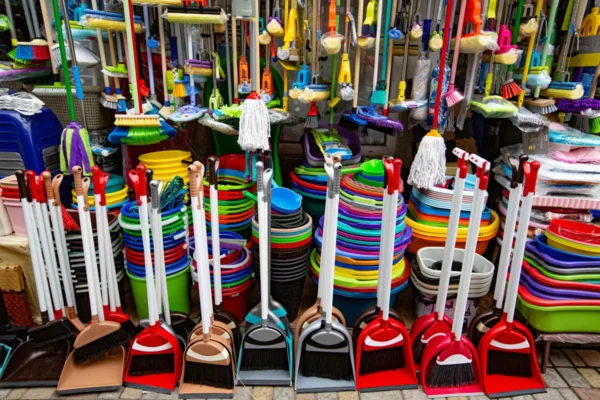
Half the frustration of kitchen cleaning comes down to not having the right tool within reach when you need it. A kitchen cleaning tool checklist takes the guesswork out of that moment, so you're not scrubbing a greasy stovetop with a dish sponge that was never meant for the job, or reaching for a random spray bottle that isn't actually safe for the surface you're cleaning.
This guide covers the tools worth keeping on hand for everyday kitchen cleaning, which ones matter most for deep cleaning, and how to build a checklist that actually gets used rather than sitting forgotten in a drawer. It's part of the Kitchen Cleaning Tools & Supplies Guide, which covers products and equipment across every part of kitchen care.
Essential Kitchen Cleaning Tool Checklist (Quick Answer)
A practical kitchen cleaning tool checklist includes:
- Microfiber cloths (several, for different surfaces)
- A non-scratch sponge and a separate dish sponge
- A soft-bristled brush for grout, corners, and textured surfaces
- A squeegee for glass, mirrored surfaces, and shower-style backsplashes
- A mild dish soap and an all-purpose cleaner
- A degreaser suited to stovetop and range hood areas
- Rubber gloves
- A small bucket or spray bottle for diluting cleaners
- Baking soda and white vinegar for light, natural cleaning tasks
- A dedicated oven cleaner or oven-safe scrub tool
- A dustpan and small hand broom for quick sweep-ups
Not every kitchen needs every item on this list at once. The right combination depends on your appliances, your wall and floor materials, and how often you cook.
Why a Checklist Actually Helps
It's easy to assume kitchen cleaning just requires "some cleaner and a rag," but different surfaces and appliances respond to very different tools. A rough scouring pad that's fine on a cast iron skillet can scratch a glass cooktop in seconds. A cleaner strong enough for a greasy oven door might dull a painted wall nearby. A checklist forces you to think through what you're cleaning before you grab whatever's closest, which is where a lot of avoidable damage happens in real kitchens.
It also solves a more mundane problem: running out of something mid-task. Nothing slows down a cleaning session like discovering the degreaser is empty right as you're halfway through a greasy stovetop. A checklist you actually glance at before starting catches that gap ahead of time.
Must-Have Tools for Daily Cleaning
Daily kitchen cleaning is mostly about keeping small messes from turning into bigger ones. These are the tools that get used almost every day in a working kitchen:
- A dish sponge, kept separate from any sponge used on countertops or other surfaces, to avoid cross-contaminating food residue.
- A microfiber cloth, for wiping counters, appliance fronts, and small spills.
- Mild dish soap, diluted with warm water for most everyday wipe-downs.
- A small hand broom and dustpan, for quick sweep-ups without pulling out a full vacuum.
- Rubber gloves, especially useful if you're washing dishes by hand or handling anything with a stronger cleaner.
Keeping these within easy reach, rather than stored away in a hard-to-access cabinet, makes it far more likely that small spills get handled right away instead of sitting and drying into something harder to clean later.
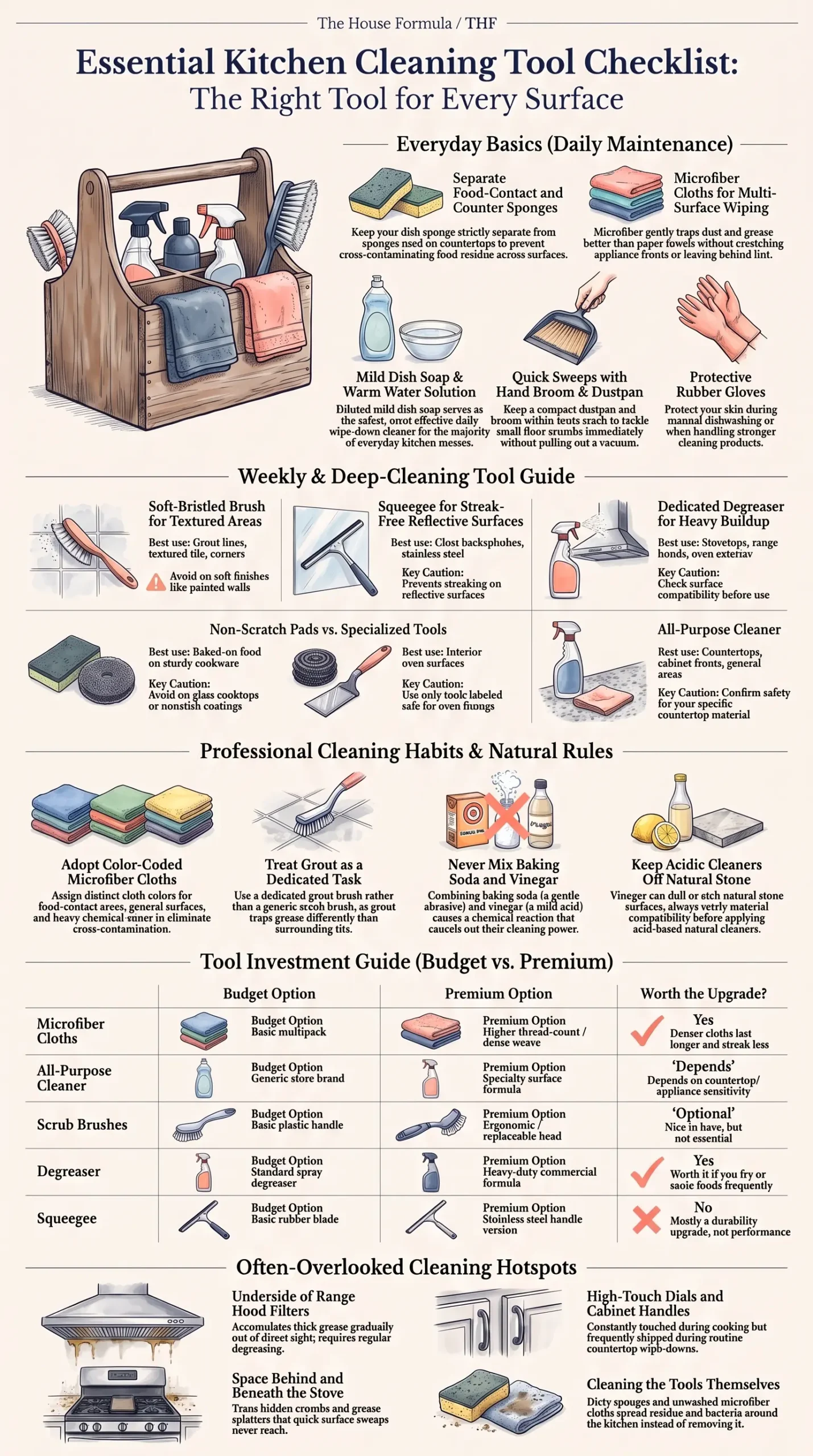
Photo Credit: Hobby Guidebook Editorial
Must-Have Tools for Weekly and Deep Cleaning
Weekly and deep cleaning tasks call for a slightly different set of tools, since these jobs tend to involve tougher grease, baked-on residue, or surfaces that need more careful handling.
|
Tool |
Best Use |
Notes |
|
Soft-bristled brush |
Grout lines, textured tile, corners |
Avoid on soft finishes like painted walls |
|
Squeegee |
Glass backsplash, stainless steel appliances |
Helps prevent streaking on reflective surfaces |
|
Degreaser |
Stovetop, range hood, oven exterior |
Check surface compatibility before use |
|
Non-scratch scrub pad |
Baked-on food on cookware and sturdy surfaces |
Avoid on glass cooktops or coated nonstick pans |
|
Oven-safe scrub tool |
Oven interior |
Only use tools labeled safe for oven surfaces |
|
All-purpose cleaner |
Countertops, cabinet fronts, general surfaces |
Confirm it's safe for your specific countertop material |
These tools don't need to be used daily, but having them accessible makes weekly deep-clean sessions faster and less likely to get skipped because "the right tool wasn't handy."
Cloths, Sponges, and Choosing the Right One
Not all cloths and sponges are interchangeable, even though it's tempting to grab whichever one is closest. A rough sponge that works fine on a cast iron pan can leave fine scratches on stainless steel or glass. Microfiber cloths, by contrast, are gentle enough for most surfaces and tend to trap dust and grease more effectively than paper towels, which is part of why they've become a standard tool in most kitchens. Our guide on Choosing Kitchen Cleaning Cloths & Sponges breaks down which type works best for which surface, including how to tell when a sponge needs replacing rather than just rinsing out again.
Budget vs. Premium Cleaning Tools
Kitchen cleaning tools range widely in price, and the difference isn't always about performance. Some premium tools genuinely last longer or work better on specific surfaces, while others simply cost more for similar results.
|
Category |
Budget Option |
Premium Option |
Worth the Upgrade? |
|
Microfiber cloths |
Basic multipack |
Higher thread-count, denser weave |
Often yes, since denser cloths last longer and streak less |
|
All-purpose cleaner |
Generic store brand |
Specialty formula for specific surfaces |
Depends on your countertop or appliance material |
|
Scrub brushes |
Plastic-handled basic brush |
Ergonomic or replaceable-head brush |
Nice to have, not essential |
|
Degreaser |
Standard spray degreaser |
Heavy-duty commercial-grade |
Worth it for households that fry or sauté often |
|
Squeegee |
Basic rubber blade |
Stainless steel handle version |
Mostly a durability upgrade, not a performance one |
For most households, budget tools handle the majority of everyday kitchen cleaning perfectly well. Premium versions tend to make the most difference for households doing heavier cooking, where tougher grease and more frequent cleaning put more wear on tools over time.
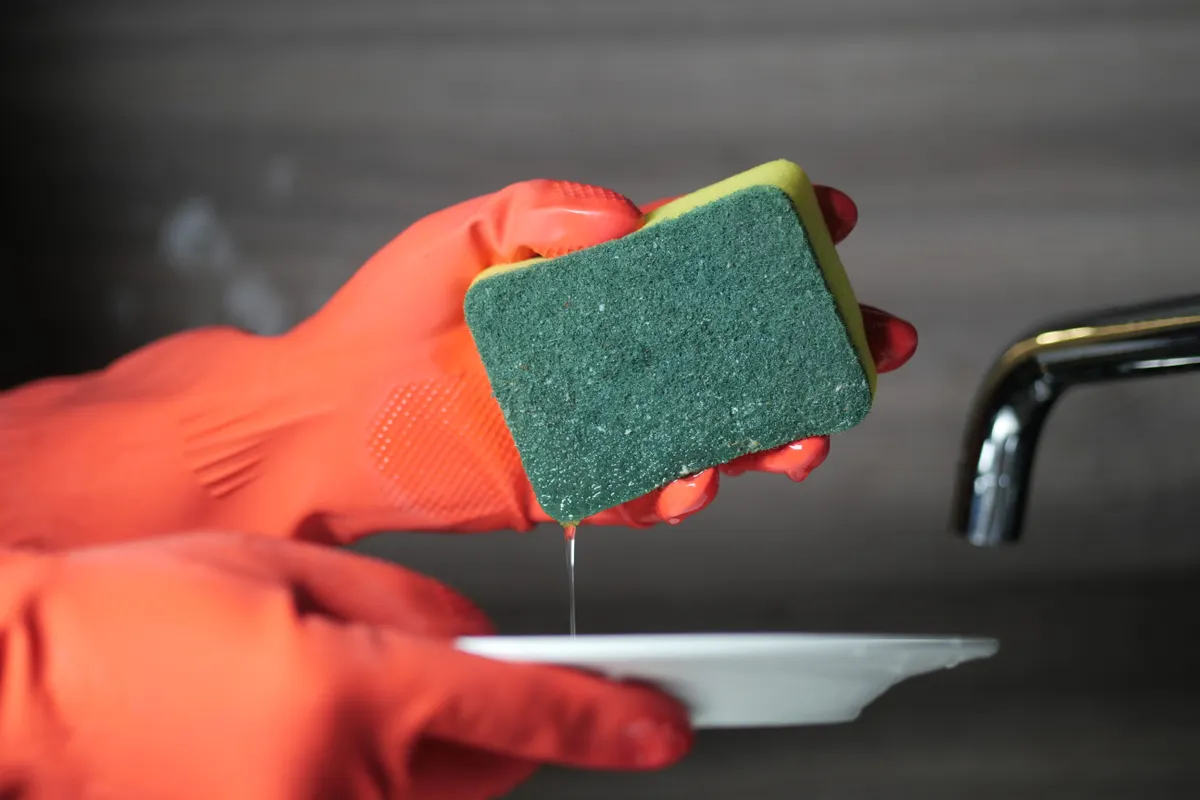
Photo Credit: Towfiqu barbhuiya
Tools Professionals Tend to Rely On
Professional cleaners generally lean on a smaller, more purpose-specific set of tools rather than a large collection of general-purpose products. A few themes show up consistently in how professionals approach kitchen cleaning:
- Color-coded cloths, using separate colors for food-contact surfaces, general surfaces, and anything involving stronger chemicals, to avoid cross-contamination.
- Concentrated cleaners diluted on-site, rather than pre-mixed products, which often gives more control over strength depending on the task.
- A dedicated grout brush, kept separate from general scrub brushes, since grout maintenance is treated as its own task rather than an afterthought.
- Microfiber over paper towels, almost universally, since microfiber traps more dust and grease without leaving lint behind.
None of this requires specialized or expensive equipment. It's more about being deliberate with a smaller set of tools than accumulating a large, mismatched collection.
Natural and Non-Chemical Options
Baking soda and white vinegar remain two of the most commonly reached-for natural ingredients in a kitchen cleaning routine, and both have a legitimate place on a well-rounded checklist. Baking soda works well as a gentle abrasive for scrubbing without scratching, while vinegar can cut through certain types of grime on surfaces that tolerate mild acidity. They shouldn't be combined in the same cleaning step, since the reaction between them cancels out much of what each one does on its own, and vinegar isn't safe for every surface, particularly natural stone. Our guide on Natural Kitchen Cleaning Ingredients covers which surfaces these ingredients work well on and which ones call for a different approach entirely.
Tasks Easy to Overlook
A checklist is only useful if it accounts for the tasks that tend to slip through the cracks. A few spots consistently get missed during regular kitchen cleaning:
- Grout lines, which trap grease differently than the surrounding tile and need their own brush and cleaning pass.
- The underside of range hood filters, where grease builds up gradually and isn't visible during a quick glance.
- Cabinet handles and appliance dials, which get touched constantly but rarely wiped as part of a general routine.
- The area behind and under the stove, which collects crumbs and grease that a quick countertop wipe-down never reaches.
- Sponges and cloths themselves, which need regular replacing or thorough cleaning, since a dirty tool spreads residue instead of removing it.
Building these into a checklist, rather than relying on memory, is usually what makes the difference between a kitchen that looks clean and one that actually is.

Photo Credit: Curtis Adams
How Often to Use and Update the Checklist
A kitchen cleaning tool checklist works best as a living reference rather than something written once and forgotten.
- Check it before a weekly deep clean, to make sure nothing's run out or worn down.
- Update it seasonally, since cooking habits, appliances, and even the kitchen layout can shift over time.
- Revisit it after any renovation or new appliance purchase, since a new countertop material or cooktop type may call for a different cleaner or tool than what was used before.
Making the Checklist Practical to Follow
A checklist that's too long or too detailed tends to get ignored. Keeping it realistic matters more than making it comprehensive.
- Start with what you already use regularly and build outward from there, rather than trying to stock everything at once.
- Store tools near where they're used, since a degreaser kept in a far cabinet is less likely to get used consistently than one stored near the stove.
- Group tools by task rather than by type, so everything needed for a stovetop clean, for instance, is in one spot.
- Review and simplify occasionally, removing tools that rarely get used and adding ones that keep getting improvised with substitutes.
What to Do First
If you're starting a kitchen cleaning tool checklist from scratch, begin with the basics: a few microfiber cloths, a dish sponge, mild dish soap, and an all-purpose cleaner safe for your countertop material. These cover the majority of everyday cleaning needs. From there, add task-specific tools, like a degreaser or grout brush, as you identify which parts of your kitchen actually need them most.
FAQ
What should you include in an essential kitchen cleaning tool checklist? Microfiber cloths, a dish sponge and non-scratch sponge, a soft brush, mild dish soap, an all-purpose cleaner, a degreaser, rubber gloves, and baking soda and vinegar for lighter tasks.
How often should you use or update a kitchen cleaning tool checklist? Check it before weekly deep cleans, update it seasonally, and revisit it after any new appliance or countertop change.
Which tasks are easy to overlook on a kitchen cleaning tool checklist? Grout lines, range hood filters, cabinet handles, the area behind the stove, and replacing worn-out sponges or cloths.
How can you make a kitchen cleaning tool checklist practical to follow? Start with what you already use, store tools near where they're needed, group them by task, and simplify the list occasionally.
What should be done first on a kitchen cleaning tool checklist? Stock the basics first: cloths, a dish sponge, mild soap, and an all-purpose cleaner, then add task-specific tools as needed.
For more product and equipment guidance across the kitchen, read the full kitchen cleaning guide for additional routines and schedules.





Leave a Reply