

Most kitchens only need a regular wipe-down, a degreasing pass on the stovetop, and an occasional deep clean of the fridge or oven. But some situations call for more than the usual routine. Moving into a new home, finishing a renovation, dealing with a leak, or reopening a kitchen that sat unused for months all leave behind buildup, residue, or hidden moisture that a normal clean will not fully address.
This guide walks through what changes when a kitchen deep clean special situations call for is needed, what to check first, and when the job is bigger than a weekend project. Some of these situations overlap with grime you already know how to handle. Others bring genuinely different risks, like trapped moisture, leftover fumes, or residue from people who lived in the space before you. If you have not worked through the basics yet, Back to the complete kitchen cleaning guide covers the everyday tasks this article builds on.
What Counts as a Kitchen "Special Situation"?
A kitchen needs a situational deep clean, not just a routine one, when any of the following apply:
- You are moving into or out of a home and do not know its full cleaning history
- A renovation or remodel just finished and left dust, debris, or material residue behind
- A leak, spill, or flooding affected cabinets, flooring, or appliances
- Smoke from cooking or a small fire left soot, film, or odor on surfaces
- The kitchen sat unused for weeks or months, such as a vacation home or long vacancy
- A pest problem was recently treated and the kitchen needs cleanup afterward
Each situation changes what you clean first, which products make sense, and sometimes whether cleaning alone is even enough to fix the problem.
Before You Start: A General Approach to Any Special Situation
Before jumping into any of the specific scenarios below, take a few minutes to assess the kitchen as a whole. Special-situation cleaning tends to go wrong when people rush straight to scrubbing without checking what they are actually dealing with first. Walk through the space and note anything unusual: soft spots on the floor, discoloration on cabinets, a lingering smell that will not fade, or debris that looks different from ordinary dust.
Open a window or turn on the range hood before you begin, especially if you plan to use degreasers, disinfectants, or anything with a strong scent. Good airflow matters more in these situations because you are often dealing with concentrated dust, old residue, or products used in combination over a longer cleaning session. Lay down towels or a drop cloth near cabinets and the base of appliances so you are not tracking debris or moisture across the rest of the kitchen.
Work top to bottom and back to front. Clean upper cabinets and shelves before counters, and counters before floors, so dust and drips fall onto surfaces you have not cleaned yet rather than ones you just finished. Pull small appliances away from the wall so you can check behind and underneath them. This is also the point to decide whether the situation is truly a cleaning job or whether it involves damage, mold, or safety risks that go beyond cleaning. That distinction matters throughout every scenario below.
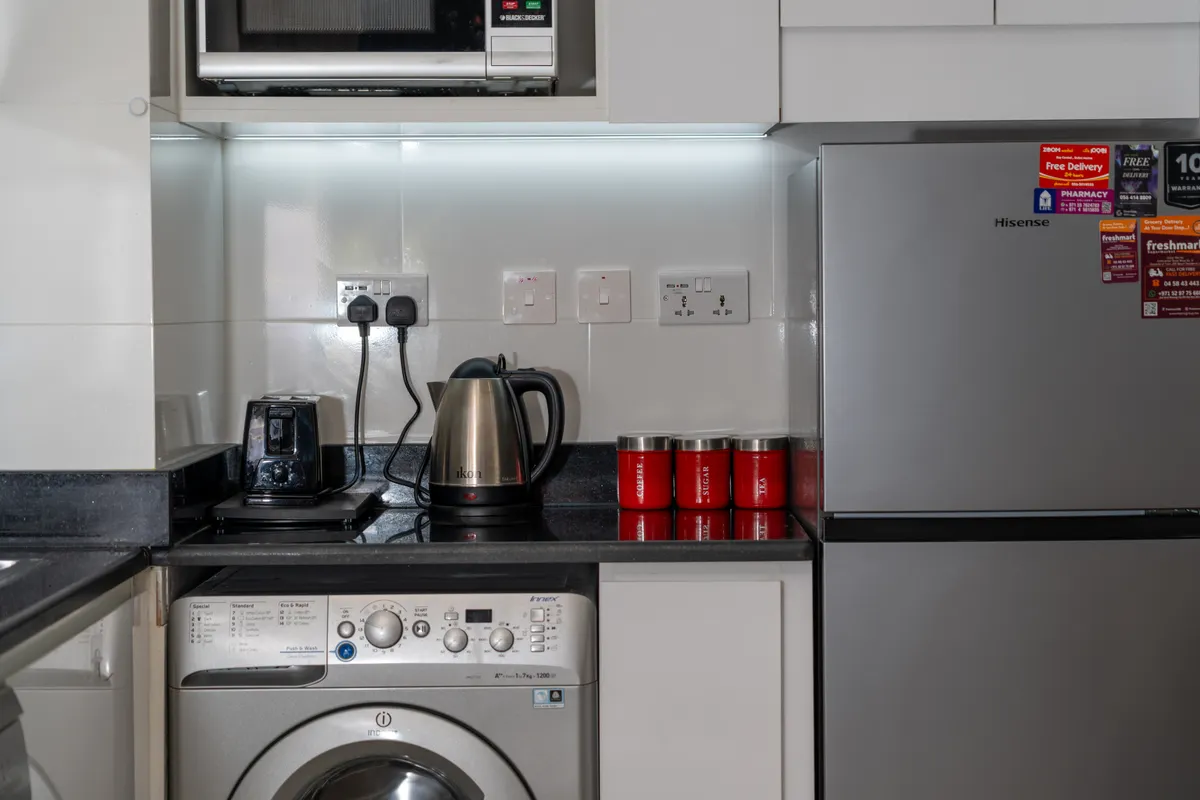
Photo Credit: AJ Ahamad
Move-In and Move-Out Kitchen Cleaning
A kitchen you are moving into or out of needs a full reset, not a surface wipe. Previous occupants may have left behind grease buildup inside cabinets, crumbs and spills under appliances, or a refrigerator that was never fully emptied and cleaned. Even a kitchen that looks tidy on the surface can have buildup in places that are easy to overlook during a normal walk-through.
Start with the inside of every cabinet and drawer. Wipe shelves with a mild dish soap solution, let them dry fully, and check corners where crumbs or old liner paper tend to collect. Move to the sink and faucet, checking for mineral buildup around the base and inside the drain area. Pull the refrigerator and oven away from the wall if they are not built in, and clean the floor and wall space behind them, since this area is almost always skipped during regular cleaning.
Appliances deserve special attention in a move-in or move-out situation. Run the dishwasher empty with a dishwasher-safe cleaner if it smells musty, and check the oven for grease buildup from a previous tenant's cooking habits. If the stove uses gas, do not attempt repairs or adjustments yourself. Cleaning around gas burners and connections is fine, but any smell of gas or a burner that will not ignite properly needs a technician, not a cleaning product.
For a full room-by-room checklist built specifically for this scenario, including what to check in rental kitchens and what landlords typically expect, see Move-In / Move-Out Kitchen Cleaning. That guide goes deeper into the exact order of tasks and what to photograph before and after for rental documentation.
Kitchen Cleaning After a Renovation
A finished renovation leaves more than sawdust. Drywall dust is fine enough to settle into cabinet hinges, drawer slides, and appliance vents, and it tends to resettle for days after the main cleanup if it is not removed properly. New grout can leave a hazy film on tile and countertops. Fresh paint, sealants, and adhesives can carry a noticeable smell for the first few days, especially in a room with limited airflow.
Begin with dry removal before any wet cleaning. Use a vacuum with a fine dust filter, sometimes labeled HEPA, to lift dust off counters, cabinet exteriors, and floors before wiping with a damp cloth. Wiping dust with water first, before vacuuming, tends to smear it into a paste that is harder to remove. Once the bulk of the dust is gone, wipe hard surfaces with a mild all-purpose cleaner suited to the specific material, since new stone, tile, or laminate can have different care needs than what was there before.
Check new grout lines for haze using a method appropriate to the tile type, and avoid acidic cleaners on natural stone counters or floors, since acids can etch or dull the surface. If a strong chemical smell lingers from paint, sealant, or adhesive days after the work is done, ventilate the room well and give it more time before assuming it needs a cleaning fix. Some of that smell is simply materials curing, not something soap and water will resolve. For a full walk-through of dust removal, new-material care, and what to check room by room, Kitchen Cleaning After a Renovation covers the process in more detail.
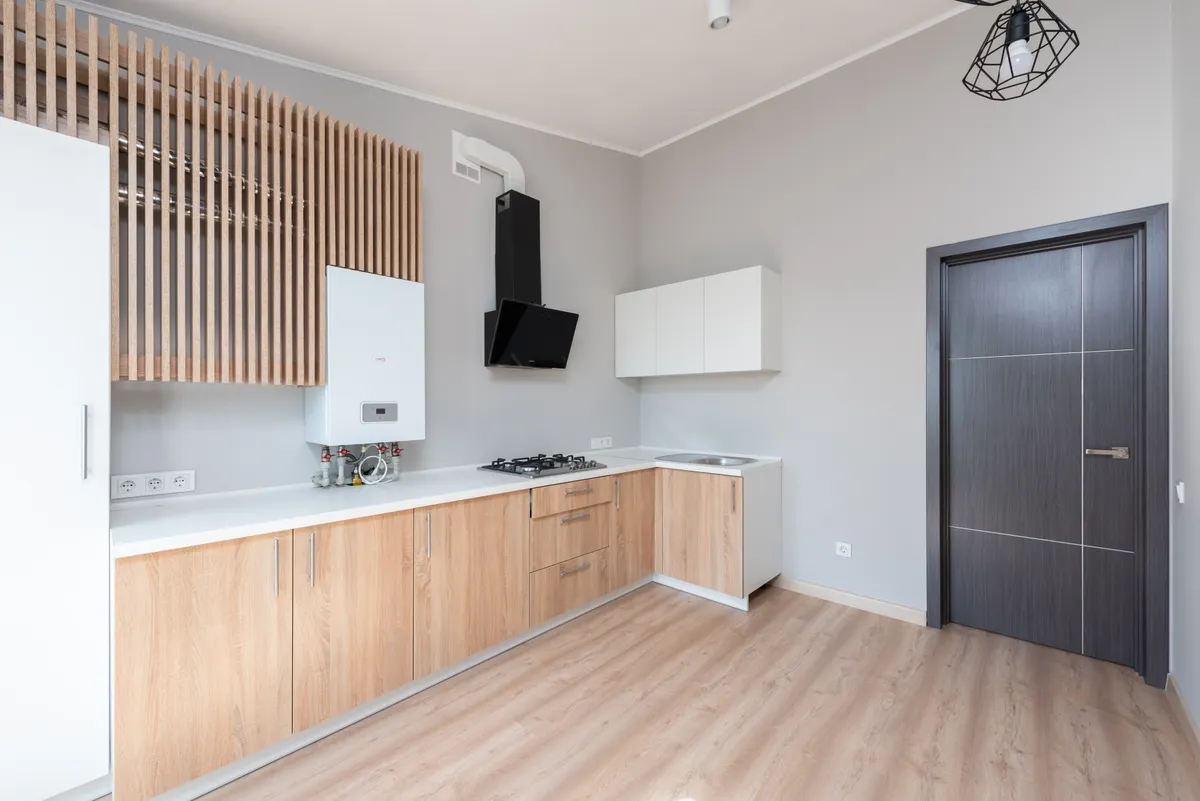
Photo Credit: Max Vakhtbovych
Kitchen Cleaning After Water Damage or a Leak
Water damage changes both what you clean and how urgently you need to act. Standing water, a slow leak under the sink, or a dishwasher overflow can soak into cabinet bases, subflooring, and baseboards without being obvious from the surface. The longer moisture sits, the higher the risk of warping, swelling, or mold growth, particularly in wood or particleboard cabinets.
If the water source is still active, stop it first. Shut off the water supply line if a plumbing leak is the cause, and unplug any appliance involved if there is any chance electrical components got wet. Once the area is safe, remove visible water with towels or a wet vacuum, then open cabinet doors and drawers to let air circulate through the space. A fan or dehumidifier can speed up drying, and drying fully before closing everything back up matters more than getting the area spotless quickly.
Small, recent water spots on sealed surfaces can usually be cleaned with a mild detergent once dry. Visible mold growth, a musty smell that will not go away after thorough drying, or soft, swollen cabinet material is a different situation. At that point, cleaning alone will not resolve the underlying problem, and a mold remediation specialist or restoration contractor is the safer next step, especially if the affected area is larger than roughly a square foot or the moisture source was ongoing rather than a one-time spill.
Kitchen Cleaning After a Fire, Smoke, or a Cooking Accident
Even a small stovetop fire or a badly burned meal can leave soot on nearby cabinets, the range hood, and the wall behind the stove. Soot is oily and tends to smear if wiped dry with a regular cloth, so approach it carefully rather than scrubbing right away. Ventilate the kitchen well before starting, since soot particles and lingering smoke odor are easier to breathe in than they look.
For light surface soot on painted cabinets or tile, a dry chemical sponge (sometimes called a soot sponge) can lift residue without smearing it further, followed by a mild degreasing cleaner once the dry sponge has removed the bulk of the film. Avoid scrubbing soot with an abrasive pad, since that can grind particles into a painted or laminate finish rather than lifting them off. Odor from smoke tends to linger in fabric, wood, and even inside cabinets, so leaving the space well ventilated for several days after cleaning helps more than any single product.
A small grease fire that was extinguished quickly and left only light soot is usually manageable as a cleaning project. A larger fire, one that involved cabinets, appliances, or electrical wiring, or one that the fire department responded to, is a different category. In those cases, a professional fire and smoke restoration service should assess the space before you assume normal cleaning is enough, since heat and smoke can compromise materials in ways that are not visible from the surface.
Reopening a Kitchen After Long Vacancy or Storage
A kitchen that sat unused for weeks or months, such as a vacation home between visits or a house that was vacant during a sale, usually needs a full reset before regular use. Dust settles into every surface, and anything left in the refrigerator or pantry may have expired or attracted pests. Start by checking the refrigerator and pantry first, discarding anything expired before it becomes a bigger problem.
Wipe down all surfaces, including the inside of cabinets, since dust accumulates there even with doors closed. Run the water at the sink and check drains for any smell, since standing water in a P-trap can develop an odor over time even without anything wrong with the pipes. Test major appliances, including the dishwasher and oven, with a short empty run before relying on them for regular meals, since components can develop issues after sitting idle.
Common Mistakes to Avoid in Special-Situation Kitchen Cleaning
Special situations tend to invite shortcuts, since the mess often feels bigger than a normal cleaning day. A few mistakes come up often enough to call out directly:
- Mixing chemicals to work faster. Never combine bleach with ammonia, vinegar, or other acidic cleaners. This combination can create dangerous fumes, and it is a common mistake when people are trying to tackle heavy grime or odor quickly.
- Skipping the drying step after water exposure. Closing up cabinets or replacing flooring before everything is fully dry is one of the most common causes of mold showing up weeks later.
- Using abrasive scrubbers on soot or new finishes. Both soot and freshly installed surfaces are easier to damage with rough pads than with a gentler, more patient approach.
- Assuming a strong smell means the cleaning failed. Sometimes a lingering odor is from curing paint, sealant, or trapped moisture, not a sign that more scrubbing is needed.
- Cleaning before assessing the full extent of the problem. Wiping visible mess without checking behind appliances or inside cabinets can leave hidden issues to resurface later.
Avoiding these mistakes matters more in special situations than in routine cleaning, since the margin for error with water, smoke, or renovation dust is smaller.

Photo Credit: Matilda Wormwood
When to Call a Professional
Not every special situation is a DIY project, and knowing where the line sits protects both your kitchen and your safety. Professional help is the safer choice when:
- Mold is visible over a larger area, or a musty smell persists after the space has fully dried
- Water damage affected flooring, subflooring, or electrical outlets near the kitchen
- A fire involved more than light surface soot, or the fire department was called
- Gas appliances show any sign of a leak, damage, or failure to ignite properly
- Structural material, such as swollen cabinets or warped flooring, needs replacement rather than cleaning
If you are unsure whether a situation has crossed that line, treat caution as the safer default. A cleaning product cannot fix mold hidden inside a wall cavity or a gas connection that was damaged during a renovation, and attempting to push through those situations with more scrubbing can delay a fix that actually needs a specialist.
Once the cleaning is done, many of these situations also leave cabinets and drawers disorganized, whether from a fresh move, a renovation reset, or emptying everything out during a water damage cleanup. Kitchen Organization for Special Situations covers how to rebuild a functional layout once the kitchen itself is clean and dry.
Frequently Asked Questions
What should you do first when dealing with the kitchen in a special situation? Assess before you clean. Check for moisture, damage, odor sources, and anything beyond ordinary dust or grime before choosing your products and method. Starting with an assessment prevents wasted effort and helps you catch problems, like hidden mold or a lingering gas smell, before they get worse.
How does the normal approach to the kitchen change in this situation? The order of tasks stays similar (top to bottom, dry removal before wet cleaning), but the products and pace change. Renovation dust needs dry vacuuming first, water damage needs full drying before sealing anything back up, and soot needs a dry sponge before any liquid cleaner touches it.
What mistakes should you avoid with the kitchen in this situation? Avoid mixing cleaning chemicals, closing up cabinets before they are fully dry, using abrasive pads on soot or new finishes, and cleaning before checking behind appliances or inside cabinets for hidden issues.
When is professional help appropriate for the kitchen? Call a professional for mold beyond a small area, water damage affecting flooring or electrical components, fire damage beyond light surface soot, or any concern involving a gas appliance.
What common mistakes should you avoid with the kitchen? Beyond the situation-specific mistakes above, the most common general error is rushing the process, skipping ventilation, or assuming one product works for every surface. Different materials and situations call for different approaches, and testing a method on a small area first avoids most damage.
When should you seek professional help with the kitchen? Whenever the problem involves structural material, visible mold, gas appliances, or damage from fire or significant flooding. Cleaning products are built to remove dirt and residue, not to repair or restore compromised materials.
Safety note: Several situations covered here involve chemicals, moisture, or residue that need careful handling. Always follow the manufacturer's instructions on any cleaning product, and never mix bleach with ammonia, vinegar, or other acids, since the combination can produce hazardous fumes. Work in a well-ventilated space, and use gloves when handling degreasers, disinfectants, or anything used to clean up after water, smoke, or fire damage. When mold, structural damage, or gas appliances are involved, a qualified professional is the safer choice over continued DIY effort.
For the everyday tasks that keep a kitchen from reaching this point in the first place, Read the full kitchen cleaning guide for the complete routine and deep-cleaning breakdown.





Leave a Reply