

Porcelain and ceramic sinks bring a classic, clean look to a kitchen, but that glossy surface shows stains, scratches, and dullness more easily than people expect. Coffee, tea, tomato-based sauces, and hard water can all leave marks on porcelain, and using the wrong cleaner or tool can dull the glaze permanently. Porcelain sink cleaning takes a gentler approach than stainless steel or composite materials, and knowing what's safe makes a real difference in how long the sink stays looking good.
This guide covers daily care, stain removal, and the products that work well on porcelain and ceramic without damaging the glaze. It's part of the Kitchen Sink & Faucet Cleaning Guide, which covers care instructions for every sink material.
The Best Way to Clean a Porcelain or Ceramic Sink (Quick Answer)
For most porcelain and ceramic sinks, this routine keeps the surface in good shape:
- Rinse the sink with warm water after each use to prevent staining.
- Wipe with a soft cloth or sponge and a small amount of mild dish soap.
- For light stains, use a baking soda paste and gently rub in a circular motion.
- Rinse thoroughly and dry with a soft towel to prevent water spots.
Porcelain has a glossy glaze on top of the ceramic base, and that glaze is what gives the sink its shine. Once it's scratched, the damage can't be buffed out, so gentle tools and mild products matter more here than with most other sink materials.
What You'll Need
A simple kit handles most porcelain cleaning needs:
- A soft sponge or non-abrasive cloth
- Mild dish soap
- Baking soda for gentle scrubbing
- White vinegar for stains and mineral buildup
- A soft microfiber towel for drying
- A soft-bristle brush for corners and the drain area
Skip anything abrasive, including steel wool, scouring pads, and powdered cleansers with visible grit. These can scratch the glaze even with light pressure, and once that glossy surface is dulled or scratched, stains and grime tend to settle into the damaged spots more easily than before.
Step-by-Step: Cleaning a Porcelain or Ceramic Sink
Step 1: Clear and rinse the sink. Remove dishes and food debris, then rinse the basin with warm water. This clears loose particles before you start scrubbing and keeps you from grinding grit into the glaze.
Step 2: Wash with mild soap. Apply a small amount of dish soap to a soft sponge and wipe the entire sink, including the sides, drain area, and any faucet base contact points. Use gentle pressure rather than firm scrubbing, since porcelain doesn't need much force to come clean.
Step 3: Treat light stains with baking soda. For coffee rings, tea stains, or general dullness, sprinkle a small amount of baking soda directly onto the damp surface. Gently rub with a soft cloth in a circular motion, then let it sit for a minute or two before rinsing. Baking soda is a mild abrasive, gentle enough for regular use but still effective at lifting light surface stains.
Step 4: Rinse thoroughly. Rinse away all soap and baking soda residue with warm water. Leftover residue can dry into a slightly gritty film that dulls the shine over time.
Step 5: Dry completely. Use a soft towel to dry the sink fully, including the drain area. Air-drying allows hard water to leave mineral spots behind, and these spots are more noticeable on porcelain's glossy surface than on a matte finish.
Step 6: Address tougher stains if needed. For stains that don't lift with baking soda alone, a vinegar-soaked cloth left on the spot for several minutes can help break down mineral deposits or set-in discoloration. Rinse well afterward, and never combine vinegar with bleach-based products, since that combination can produce harmful fumes.
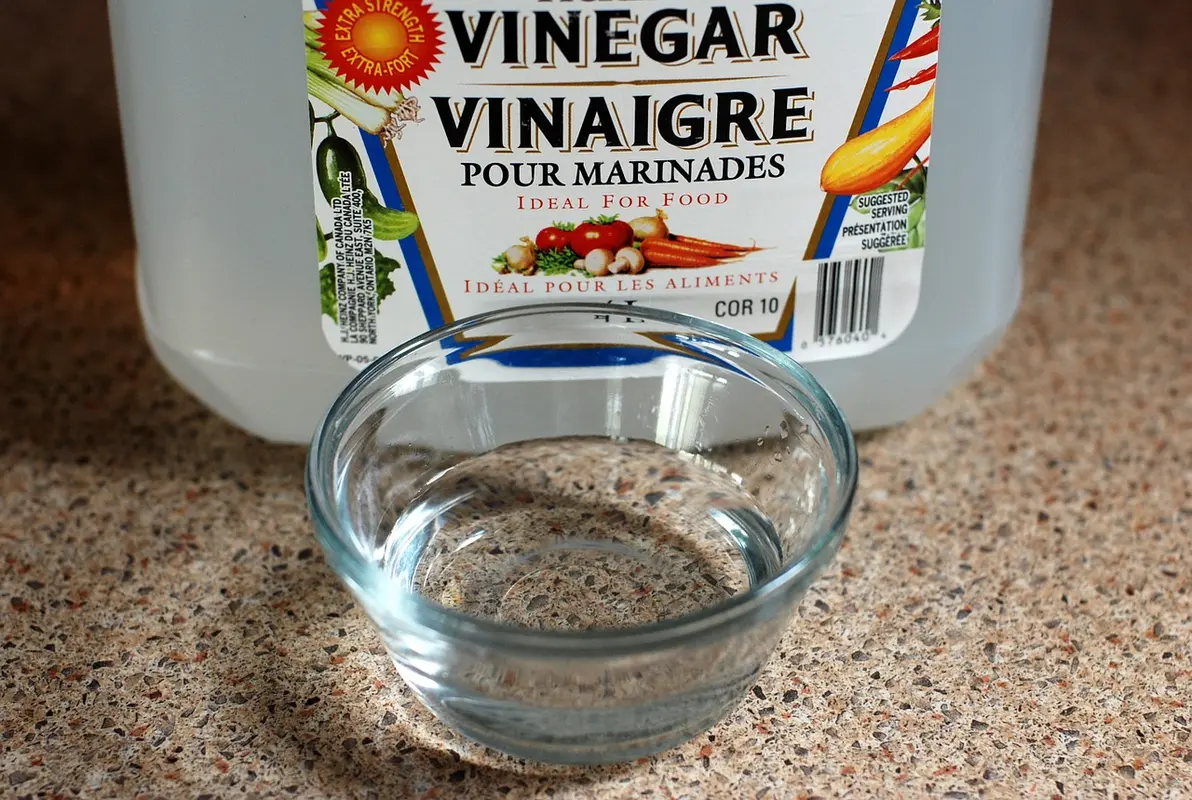
Photo Credit: Internet
How to Tell When Your Sink Needs a Deeper Clean
Daily rinsing keeps most porcelain sinks looking fine, but a few signs suggest it's time for a more thorough clean rather than a quick wipe.
A chalky, dull film across the basin usually points to hard water mineral buildup rather than dirt, and it responds well to a vinegar treatment. Yellowish staining, especially in a white sink, often comes from coffee, tea, or tomato-based foods sitting in the basin rather than being rinsed promptly. A gritty feel when you run a hand across the surface is a sign that soap residue or mineral deposits have built up in layers and need a full baking soda treatment to clear.
If you notice small dark spots that don't respond to soap or baking soda, this could be a scratch in the glaze that's collecting grime rather than a surface stain. Scratches like this don't come out with cleaning, since the damage is physical rather than a residue sitting on top. This is one of the clearer differences between porcelain and a more scratch-resistant material like granite composite, which tends to hide minor surface marks rather than show every one. If your kitchen has a composite sink alongside a porcelain one, our Granite Composite Sink Cleaning guide covers how that material's care differs, including why it tolerates firmer scrubbing than porcelain can.
Removing Stains Without Damaging the Glaze
Porcelain stains fastest from acidic foods and drinks left sitting in the basin, including coffee grounds, wine, and tomato sauce. The key to removing these stains safely is patience rather than force. A baking soda paste, left to sit for a few minutes before gentle scrubbing, handles most everyday staining without any risk to the glaze.
For set-in stains that baking soda alone doesn't fully clear, a combination approach sometimes helps: apply vinegar first to loosen the stain, rinse, then follow with a baking soda scrub. Never combine vinegar and baking soda directly in a sealed container, since the fizzing reaction can build pressure, though mixing them loosely for a cleaning paste in an open space is common and generally fine.
Avoid bleach for regular stain removal unless the label specifically states it's safe for porcelain, and even then, use it sparingly. Repeated bleach exposure can wear down the glaze's shine over time, and it should never be combined with vinegar, ammonia, or other acidic cleaners.
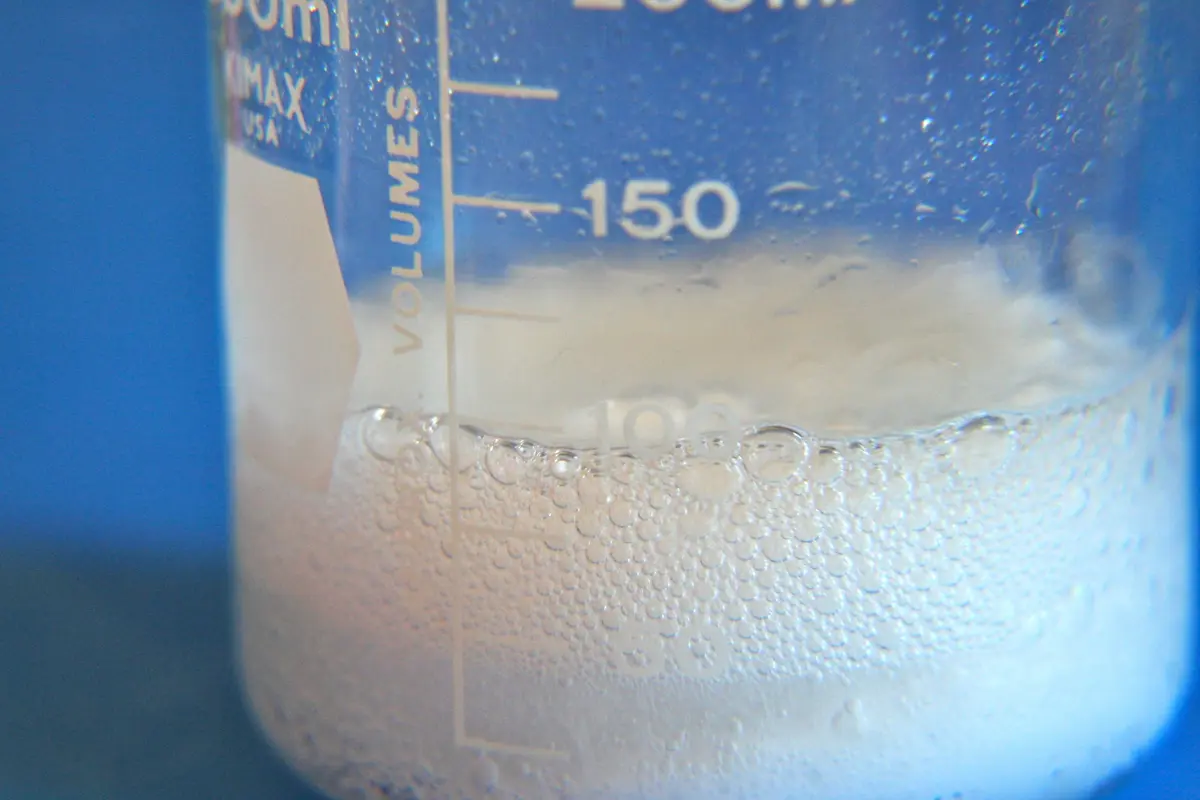
Photo Credit: Internet
Commercial Cleaners vs. Natural Methods
Both approaches have a place in porcelain sink care, and the right choice depends on the type of buildup you're dealing with.
|
Method |
Best Use |
Considerations |
|
Mild dish soap and water |
Daily cleaning |
Gentle and effective; no risk to the glaze |
|
Baking soda paste |
Light stains, mineral film, dullness |
Safe for regular use; rinse well to avoid grit buildup |
|
Vinegar solution |
Hard water spots, set-in stains |
Effective but should never be mixed with bleach |
|
Commercial porcelain cleaner |
Tougher stains, deeper cleaning |
Choose products labeled safe for porcelain specifically |
|
Bleach-based cleaner |
Occasional disinfecting |
Use sparingly; check label; never combine with vinegar or ammonia |
|
Abrasive powder cleanser |
Not recommended |
Can scratch the glaze even with light pressure |
For most households, natural methods like baking soda and vinegar handle the majority of everyday porcelain cleaning needs. Commercial cleaners can be useful for stubborn buildup, but always check that the label specifically mentions porcelain or ceramic safety, since some all-purpose cleaners contain ingredients too harsh for a glazed surface.
This same gentle logic applies beyond the kitchen. If your home also has a porcelain sink in the bathroom, the core cleaning approach is largely the same, though bathroom sinks tend to deal with soap scum and toothpaste residue rather than food stains. Our Porcelain Bathroom Sink Cleaning guide covers those room-specific differences in more detail.
Comparing Porcelain to Other Sink Materials
Porcelain sinks share some care overlap with other sink types, but the glaze makes it more sensitive to scratching than materials like granite composite or fireclay farmhouse sinks. Farmhouse sinks are often made from fireclay, which shares some similarities with porcelain but typically has a thicker glaze layer and different exposure points, especially along the exposed front apron that sits outside the cabinet line.
If you have this style of sink, or you're weighing porcelain against a farmhouse option, our Farmhouse Sink Cleaning guide covers care specific to that design, including how to handle the front-facing panel that gets more daily contact than a standard undermount basin.
How Often Should You Clean a Porcelain Sink
Rinsing after each use is the simplest habit that prevents most staining, since it keeps coffee, food, and acidic residue from sitting on the glaze.
A full clean with mild soap, covering the basin, drain, and faucet base, is worth doing daily to every few days depending on how much the sink gets used. Kitchens with heavy daily cooking may need this more often than a lightly used secondary sink.
A deeper treatment with baking soda or vinegar for stains and mineral film is typically only needed once a week or so, though this depends heavily on your water hardness and how often acidic foods pass through the sink. If stains keep reappearing quickly after cleaning, it's often a water hardness issue rather than a sign you're doing something wrong.

Photo Credit: Agnieszka Pogorzelska
Common Mistakes to Avoid
- Using abrasive scouring pads or powders. These scratch the glaze, and scratches trap dirt and become harder to clean over time.
- Letting acidic foods sit in the basin. Coffee grounds, wine, and tomato sauce stain porcelain faster than most people expect.
- Mixing bleach with vinegar or ammonia-based cleaners. This combination can release harmful fumes and should always be avoided.
- Skipping the drying step. Air-drying leaves mineral spots that build up into a chalky film over time.
- Using metal scrub brushes. Even soft-looking wire brushes can leave fine scratches in the glaze.
- Ignoring small scratches. Once the glaze is damaged, dirt and stains tend to settle into that spot repeatedly, so it's worth avoiding the cause rather than trying to scrub it clean each time.
When to Call a Professional
Most porcelain sink care is manageable at home, but professional help makes sense when:
- The glaze has visible cracking or chipping, not just staining
- Stains persist after trying mild soap, baking soda, and vinegar methods
- The sink has scratches deep enough to catch a fingernail
- You're considering reglazing rather than continued cleaning around a damaged area
Reglazing a porcelain sink is a specialized job that goes beyond routine cleaning, and it usually makes more sense than trying to work around significant glaze damage indefinitely.
FAQ
What is the best way to clean a porcelain or ceramic sink? Wipe with warm water and mild dish soap, treat stains with a baking soda paste, rinse thoroughly, and dry completely to prevent water spots.
How often should you clean a porcelain or ceramic sink? Rinse after each use, wash with mild soap daily to every few days, and treat stains or mineral film with baking soda or vinegar about once a week.
What cleaning products are safe for a porcelain or ceramic sink? Mild dish soap, baking soda, and diluted white vinegar are all safe for regular use. Commercial cleaners are fine if the label specifically states they're safe for porcelain.
What should you avoid when cleaning a porcelain or ceramic sink? Avoid abrasive scouring pads, powder cleansers, metal brushes, and mixing bleach with vinegar or ammonia-based products.
How can you clean a porcelain or ceramic sink without damaging it? Use only soft cloths or sponges, apply gentle pressure, choose non-abrasive cleaning methods like baking soda paste, and dry the sink fully after each cleaning.
For more sink and faucet care routines across every material, browse the complete kitchen cleaning guide for additional instructions.
A quick safety note: always check product labels before applying them to porcelain, and never mix bleach with vinegar, ammonia, or other acidic products, since this can create hazardous fumes. If your sink has significant cracking, chipping, or glaze damage, a professional is the safer route for repair or reglazing.





Leave a Reply