
Stainless steel countertops are popular for a reason. They resist heat, they don't stain easily, and they give a kitchen a clean, modern look. But stainless steel does show fingerprints, water spots, and streaks fast, and using the wrong cleaner or tool can leave permanent scratches. This guide covers the right way to clean stainless steel countertop surfaces, the products that are safe to use, and the habits that keep the finish looking good for years. This article is part of Kitchen Countertop Cleaning Guide, which covers care routines for every common countertop material.
What Is the Best Way to Clean Stainless Steel Countertops?
The safest and most effective method uses mild dish soap, warm water, and a soft cloth wiped in the direction of the grain. For most kitchens, this simple routine looks like this:
- Wipe up crumbs and spills with a soft, damp cloth.
- Mix a few drops of mild dish soap into warm water.
- Wipe the surface following the visible grain lines, not against them.
- Rinse with a clean, damp cloth to remove soap residue.
- Dry immediately with a soft towel to prevent water spots.
This routine handles daily grease, food residue, and general grime without risking the finish.
Before diving into methods, it helps to confirm you actually have stainless steel. Some kitchens use materials that look similar but need different care, such as Tile & Grout Countertop Cleaning, where grout lines require their own approach, or textured composite surfaces that mimic a metallic look. If your countertop has visible grain lines running in one direction and feels cool and smooth to the touch, you're almost certainly working with true stainless steel.
What Cleaning Products Are Safe for Stainless Steel Countertops?
Not every kitchen cleaner is a good match for stainless steel. Some products clean effectively but slowly damage the protective finish over time.
Generally safe options include:
- Mild dish soap diluted in warm water for everyday cleaning
- Club soda applied with a soft cloth for extra shine and streak removal
- A diluted white vinegar solution (roughly one part vinegar to four parts water) for mineral deposits or light disinfecting, always rinsed off and dried afterward
- A small amount of mineral oil or food-safe oil, buffed in with a soft cloth, to reduce fingerprint visibility and add shine
Products and tools to avoid:
- Chlorine bleach. Bleach contains chlorides that can cause pitting or corrosion on stainless steel, especially if it sits on the surface for more than a few minutes. This damage is often permanent.
- Steel wool or abrasive scouring pads. These scratch the surface, and scratches on stainless steel are very difficult to buff out at home.
- Abrasive powder cleansers. Gritty cleansers create fine scratches that dull the finish and collect grime over time.
- Undiluted vinegar left to sit. Vinegar is acidic. Diluted and rinsed promptly it's fine for occasional use, but concentrated or prolonged exposure can dull the finish on some stainless steel grades.
Never mix bleach with vinegar, ammonia, or other acidic cleaners. That combination can release hazardous fumes, and there is no situation on a kitchen countertop where mixing these products is necessary or safe.
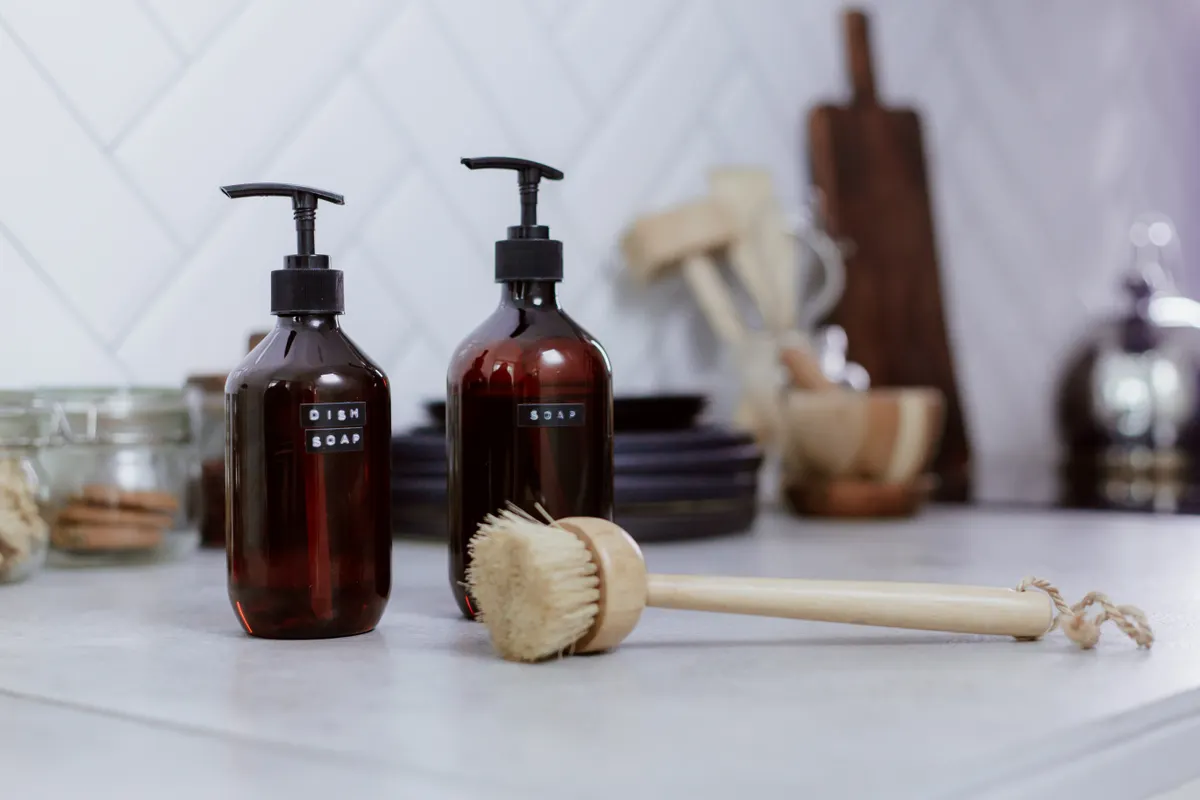
Photo Credit: Ron Lach
Daily Cleaning Habits That Protect the Finish
Stainless steel responds well to consistent, light cleaning rather than infrequent heavy scrubbing. A quick wipe after each use keeps grease and food residue from building up into a sticky film that's harder to remove later.
The single most important habit is wiping with the grain. Stainless steel has a brushed texture with fine lines running in one direction, usually visible if you look closely under good light. Wiping against the grain can push grime into the tiny grooves and create fine scratches that show up as dull streaks. Always wipe in the same direction as those lines, whether you're cleaning up a spill or drying the surface.
After wiping with soapy water, rinse with a clean cloth and dry the surface right away. Air drying almost always leaves behind mineral spots from tap water, especially in homes with hard water. A quick towel dry takes seconds and prevents that cloudy, spotted look.
How to Deep Clean Stuck-On Grease and Buildup
When daily wiping isn't enough, such as around a stove-adjacent countertop section or after a big cooking session, a slightly stronger approach works well.
- Make a paste using baking soda and a small amount of water.
- Apply the paste to greasy or stained areas with a soft cloth or non-abrasive sponge.
- Rub gently in the direction of the grain, never in circles or against the grain.
- Let the paste sit for two to three minutes on stubborn spots.
- Rinse thoroughly with a damp cloth to remove all baking soda residue.
- Dry completely with a soft towel.
Baking soda is mildly abrasive, which is why gentle pressure and grain direction matter here. Skip this step and go straight to soap and water if the buildup is light, since baking soda isn't needed for routine grease.
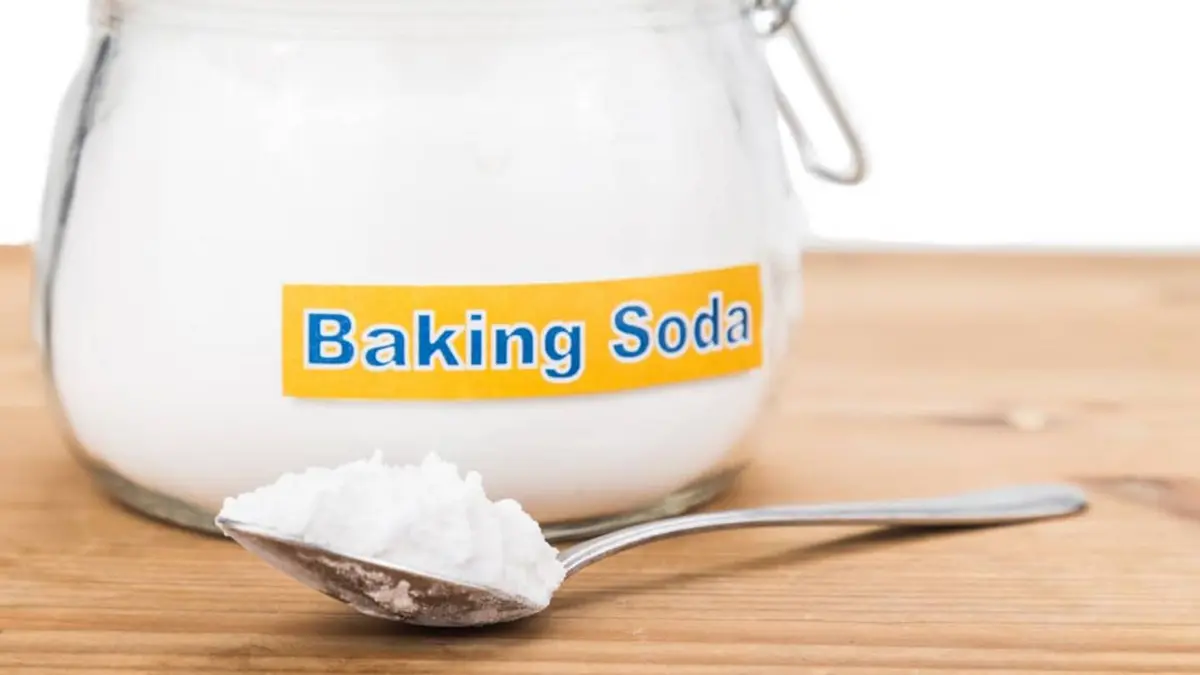
Photo Credit: Internet
Comparing Stainless Steel to Other Countertop Materials
Homeowners often ask how stainless steel compares to other options when deciding on cleaning routines or troubleshooting an unfamiliar surface. The table below offers a quick reference.
|
Material |
Cleaning Difficulty |
Scratch Risk |
Heat Tolerance |
Water Spot Risk |
|
Stainless steel |
Low to moderate |
Moderate (visible scratches) |
High |
High (needs prompt drying) |
|
Tile and grout |
Moderate to high |
Low on tile, higher on grout |
High |
Low on tile |
|
Concrete |
Moderate |
Low if sealed |
High |
Depends on sealant |
|
Laminate |
Low |
Higher |
Low to moderate |
Low |
If your kitchen has a mixed-material layout, such as a stainless steel island paired with a Concrete Countertop Cleaning section, treat each surface according to its own material rather than applying one routine to both.
Removing Fingerprints, Water Spots, and Streaks
Fingerprints and light streaking are the most common complaints with stainless steel, especially on polished finishes rather than matte or brushed ones. A few targeted techniques handle this well.
For fingerprints, wipe the area with a microfiber cloth dampened with plain water first. If prints persist, add a small drop of dish soap to the cloth and wipe with the grain, then dry immediately. For a polished, low-fingerprint look, a few drops of mineral oil rubbed in with a soft cloth (again, following the grain) can help repel future prints and add shine, though this is optional and purely cosmetic.
For water spots caused by hard water, the diluted vinegar solution mentioned earlier usually clears them. Apply, wipe gently, rinse with water, and dry fully. Never let vinegar sit uncovered on the surface for extended periods, and test a small area first if you're unsure how your specific stainless steel finish will react.
If your goal is a consistently polished, showroom-style shine rather than routine cleanup, a dedicated resource on Stainless Steel Cleaning & Polishing goes deeper into buffing techniques and finish maintenance beyond what a standard countertop routine covers.
How Often Should You Clean Stainless Steel Countertops?
- After every use: A quick wipe to remove crumbs, spills, and grease before they dry and stick.
- Daily: A soap and water wipe-down at the end of the day, especially in busy kitchens.
- Weekly: A slightly deeper clean, checking for buildup near the stove or sink area.
- As needed: Baking soda paste for stuck-on grease, or diluted vinegar for water spots and mineral buildup.
Kitchens that see heavy daily cooking may need the deeper clean more than once a week. Lightly used kitchens can often stretch that step out longer.
Photo Credit: Internet
Common Mistakes to Avoid
- Using steel wool or scouring pads. These create visible scratches that are hard to reverse.
- Wiping against the grain. This pushes grime into grooves and creates fine streaking.
- Leaving bleach or bleach-based cleaners on the surface. Chloride exposure can pit stainless steel over time.
- Letting water air dry. This almost always leaves spots, especially with hard water.
- Using abrasive powders for daily cleaning. These are too harsh for routine use and dull the finish gradually.
When Professional Help Makes Sense
Most stainless steel countertop care is a straightforward DIY task. Professional help is worth considering if the surface shows deep scratches, visible rust or pitting spots, or a dull, cloudy finish that doesn't respond to soap, vinegar, or baking soda. A professional metal refinisher can sometimes buff out light surface damage that home methods can't fix. If you're unsure whether marks are true corrosion or just surface grime, a manufacturer or installer can usually identify the cause before you attempt any aggressive cleaning.
Frequently Asked Questions
What is the best way to clean stainless steel countertop? Mild dish soap, warm water, and a soft cloth wiped with the grain, followed by a rinse and immediate drying, handles most everyday cleaning needs safely.
How often should you clean stainless steel countertop? Wipe after each use, clean with soap and water daily, and do a deeper clean weekly or whenever buildup appears near cooking areas.
What cleaning products are safe for stainless steel countertop? Mild dish soap, diluted white vinegar (rinsed promptly), club soda, and a small amount of mineral oil for polishing are all generally safe. Always check for any specific coating on your countertop first.
What should you avoid when cleaning stainless steel countertop? Avoid chlorine bleach, steel wool, abrasive scouring pads, and gritty powder cleansers. Never mix bleach with vinegar or ammonia-based products.
How can you clean stainless steel countertop without damaging it? Always wipe with the grain rather than against it, avoid abrasive tools, dry the surface promptly after cleaning, and test any new product on a small, hidden area first.
For the full range of kitchen surfaces and appliances, return to the complete kitchen cleaning guide for step-by-step care on every part of the kitchen.
A quick safety note: Always check any manufacturer care instructions that came with your countertop, since some finishes have specific product restrictions. Never mix bleach with vinegar, ammonia, or other acidic cleaners, as this can produce hazardous fumes. Work in a ventilated space when using stronger cleaning solutions, and test any new product on a small, inconspicuous area before applying it more broadly. If you notice rust, pitting, or damage that doesn't respond to standard cleaning, consult a professional rather than trying stronger home remedies.





Leave a Reply