

Tile countertops hold up well against heat and daily wear, but the grout lines between the tiles are usually the weak point. Tile itself is fairly easy to clean, since most kitchen tiles are glazed and resist stains reasonably well. Grout is a different story: it's porous, it absorbs grease and food color, and it can develop mold if it stays damp. Tile countertop cleaning really means managing two surfaces at once, the tile and the grout, with different needs. This guide is part of the Kitchen Countertop Cleaning Guide, and it covers both sides of that job clearly.
The Best Way to Clean Tile Countertops
For everyday cleaning, wipe the tile surface with a soft cloth and warm water mixed with a few drops of mild dish soap, then dry with a clean towel. For a slightly deeper weekly clean, a mixture of baking soda and water applied with a soft cloth lifts grease and light grime from both the tile and the grout lines without scratching the glaze. Rinse thoroughly afterward and dry the surface to prevent water from sitting in the grout.
This covers most day-to-day tile countertop cleaning needs. The sections below go deeper into why grout needs separate attention, which products are safe on glazed tile, and how to handle tougher buildup in the grout lines specifically.
Why Tile Countertops Need Two Different Approaches
Most kitchen countertop tiles have a glazed, non-porous surface, which means liquids sit on top rather than soaking in. This makes the tile itself fairly resistant to staining and reasonably tolerant of a range of cleaning products. Grout is the opposite. It's typically a porous cement-based material, and it absorbs grease, food coloring, and moisture far more easily than the tile around it.
This difference is the reason tile countertop cleaning isn't a one-step job. A cleaner that works fine on glazed tile can sit too long in grout and cause discoloration, or it might not be strong enough to lift grease that's worked its way into the grout's texture. Treating both parts with the right approach, rather than one blanket method, keeps the whole countertop looking consistent.
Tools and Products for Cleaning Tile Countertops
A short list of gentle tools and products handles both the tile and grout without introducing unnecessary risk.
- Soft cloth or non-abrasive sponge: for daily wiping on the glazed tile surface
- Mild dish soap: a few drops in warm water for regular cleaning
- Baking soda: mixed into a paste with water, useful for grease on tile and light grime in grout
- Soft-bristle brush or old toothbrush: for working cleaner into grout lines without scratching the tile
- Grout sealer: applied periodically to keep grout resistant to moisture and staining
Avoid abrasive scouring powders on glazed tile, since they can dull the glaze over time even though tile is harder than some other countertop materials. Save stronger tools like stiff brushes for the grout lines only, never the tile face.
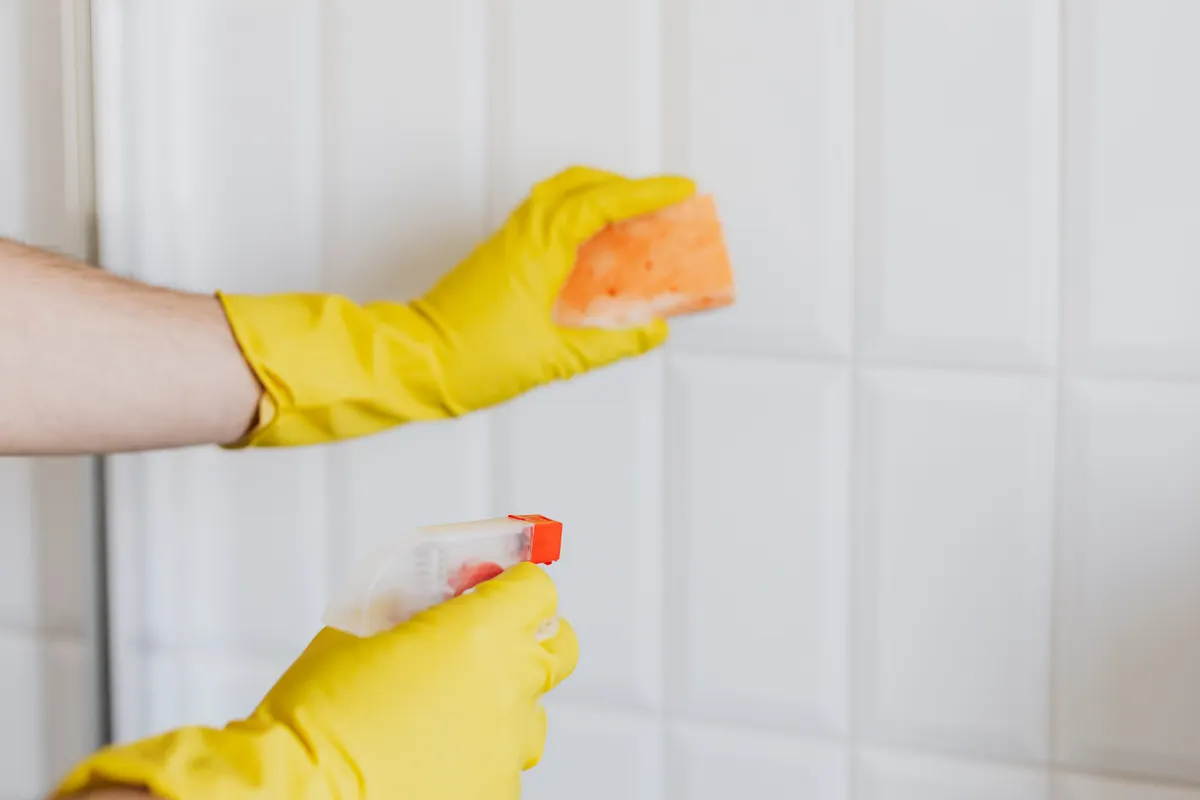
Photo Credit: https://kaboompics.com/
Daily and Weekly Tile Countertop Cleaning Steps
A quick daily wipe combined with a slightly more thorough weekly clean keeps tile and grout in good shape without extra effort.
Daily routine:
- Wipe up spills as soon as they happen, especially oils and anything with strong food coloring.
- Mix a few drops of mild dish soap into warm water.
- Wipe the tile surface with a soft cloth, paying attention to areas near the grout lines.
- Dry the surface with a clean towel to keep moisture from sitting in the grout.
Weekly routine:
- Make a paste of baking soda and water and apply it to the tile and grout lines with a soft cloth.
- Let it sit for a few minutes to loosen grease and light grime.
- Use a soft-bristle brush or old toothbrush to work the paste into the grout lines specifically.
- Rinse thoroughly with a damp cloth, then dry the entire surface.
This weekly step handles buildup that a daily wipe misses, and it's gentle enough for both glazed tile and grout when done as described.
Is Vinegar and Baking Soda Safe for Tile Countertops?
Baking soda is generally safe for both glazed tile and grout when used as a mild abrasive paste, since it lifts grease without scratching most tile finishes. Vinegar is more situational. It works reasonably well on glazed tile in small amounts, but frequent or undiluted use on grout can wear down the material over time, especially if the grout is unsealed, since grout is more chemically sensitive than the tile itself.
If you choose to use a diluted vinegar solution on tile, keep it away from natural stone tile specifically, such as marble or travertine, since vinegar's acidity etches those materials on contact. For ceramic or porcelain tile, occasional diluted vinegar use for cleaning is more tolerable, but daily use isn't necessary or recommended.
Never combine vinegar or baking soda with bleach. Bleach reacts differently depending on what it's mixed with, and combining it with vinegar or other acids can produce hazardous fumes. If you plan to use a bleach-based product on grout for staining or mold, make sure vinegar and baking soda are not present on the surface at the same time, and rinse thoroughly before switching products.

Photo Credit: Matilda Wormwood
What to Avoid When Cleaning Tile Countertops
A handful of habits cause most of the damage seen on tile and grout, and avoiding them protects both parts of the surface.
- Abrasive scouring pads on glazed tile: these dull the glaze and create fine scratches over time
- Undiluted vinegar left sitting on grout: repeated acid exposure wears down unsealed grout
- Skipping grout sealing: unsealed grout absorbs stains and moisture far more easily, leading to discoloration and mold risk
- Letting water sit in grout lines: standing moisture is one of the main causes of mold and mildew in grout
- Mixing bleach with vinegar, ammonia, or other acids: this combination produces dangerous fumes and should never happen on any kitchen surface, including tile and grout
If you're not sure whether your tile is glazed ceramic, porcelain, or a natural stone tile like marble, checking the manufacturer's installation documentation or asking wherever it was purchased is more reliable than guessing based on appearance.
Deep Cleaning and Sealing Grout Lines
Grout that looks gray, dingy, or spotted with mold usually needs more attention than the weekly baking soda routine covers. A stronger approach for grout-specific stains, mold, and resealing goes beyond general countertop maintenance and deserves its own detailed process.
For a full walkthrough on lifting stubborn grout stains, addressing mold safely, and applying a grout sealer correctly, see Cleaning Grout Lines on Tile Countertops. That guide covers the grout-specific steps in more depth than fits naturally here, since grout care really is its own smaller project within tile countertop maintenance.
As a general guide, grout should be resealed roughly once a year in kitchens with regular use, though this depends on the sealer product used and how much wear the countertop sees. A simple water test, similar to checking stone sealant, works here too: if water beads on the grout surface, the seal is holding; if it soaks in quickly, it's time to reseal.
Tile vs Concrete Countertops
Tile and concrete countertops share some similarities, since both involve a hard surface with a more porous element to manage (grout for tile, the concrete itself if unsealed).
|
Factor |
Tile & Grout |
Concrete |
|
Porosity |
Tile is non-porous, grout is porous |
Porous unless sealed |
|
Sealing needed |
Grout only, periodically |
Yes, full surface, periodically |
|
Heat resistance |
Very good |
Very good |
|
Daily cleaner |
Mild soap and water |
Mild soap and water or pH-neutral cleaner |
|
Main risk |
Grout staining and mold |
Staining and etching if unsealed |
If your kitchen has concrete countertop sections alongside tile, the Concrete Countertop Cleaning guide covers sealing and daily care specific to that material.
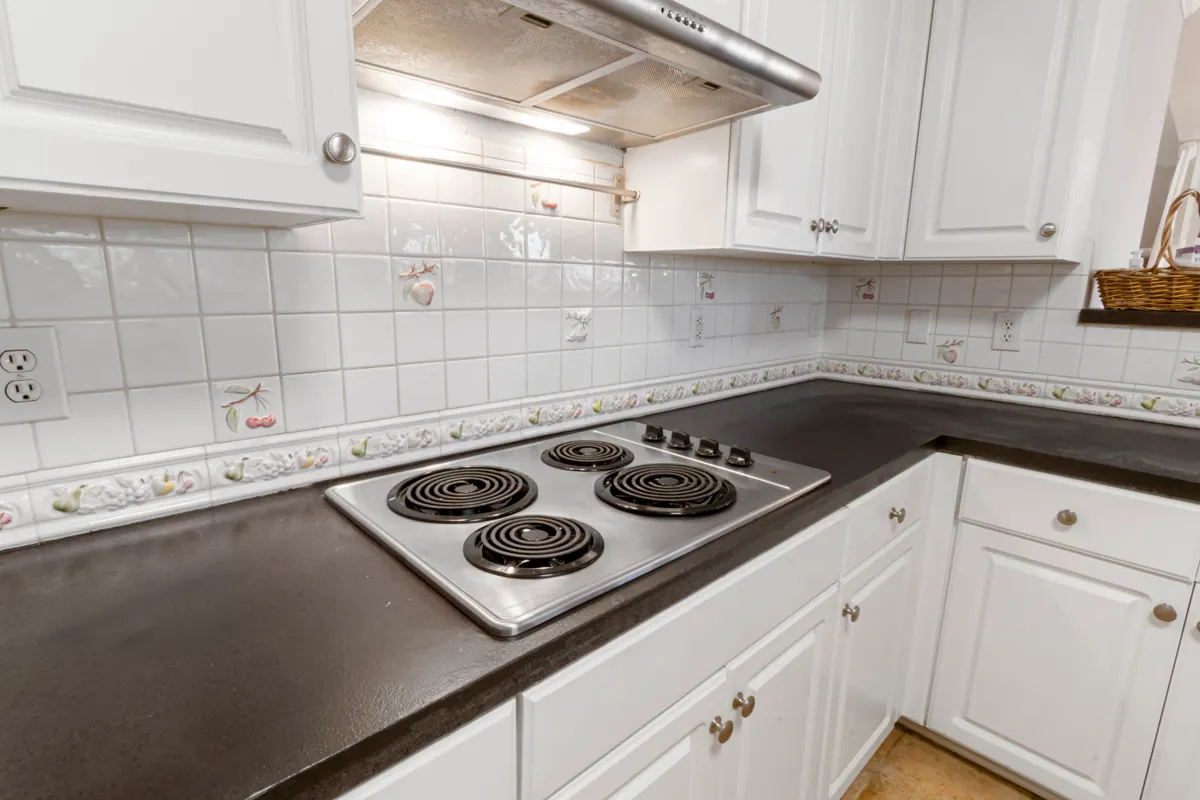
Photo Credit: Curtis Adams
How Often Should You Clean a Tile Countertop?
Wipe tile down daily after cooking or food prep, and give it a deeper clean with a baking soda paste once a week, focusing extra attention on the grout lines. Spills should be wiped up right away, especially oils and strongly colored foods, since grout absorbs these faster than the glazed tile around it. Grout resealing on a roughly annual basis, adjusted based on the water-bead test, rounds out a full tile countertop cleaning routine.
Frequently Asked Questions
What is the best way to clean tile and grout countertops? Mild dish soap and water for daily wiping, plus a weekly baking soda paste worked into the grout lines with a soft brush, covers most cleaning needs. Rinse and dry thoroughly after each clean to keep grout from staying damp.
How often should you clean tile and grout countertops? Wipe daily after use, with a deeper clean once a week focused on the grout. Reseal grout roughly once a year, though this depends on wear and the sealer product used.
What cleaning products are safe for tile and grout countertops? Mild dish soap, baking soda paste, and diluted vinegar (on glazed ceramic or porcelain tile only) are generally safe. Grout sealer is needed periodically to protect the more porous material.
What should you avoid when cleaning tile and grout countertops? Avoid abrasive scouring pads on the tile face, undiluted vinegar sitting on grout, and standing water in grout lines. Never mix bleach with vinegar, ammonia, or other acids, since this produces hazardous fumes.
How can you clean tile and grout countertops without damaging them? Use soft cloths on the tile and a soft-bristle brush on grout lines specifically, avoid harsh abrasives, and keep grout sealed on a regular basis. Dry the surface fully after cleaning to prevent moisture from settling into the grout.
A Quick Note on Safety
Grout sealers and stronger grout cleaners should be used according to the manufacturer's label instructions, since contact times and ventilation needs vary by product. Never combine bleach with vinegar, ammonia, or other acids, as this can release harmful fumes in an enclosed kitchen space. Work in a ventilated area when using stronger grout treatments, and test any new product on a small, hidden section of grout first. If grout shows persistent mold, deep staining that won't lift, or cracking, a professional tile and grout cleaning service can assess and treat the surface more thoroughly than routine home cleaning allows.
For more on caring for the rest of your kitchen, read the full kitchen cleaning guide.





Leave a Reply