
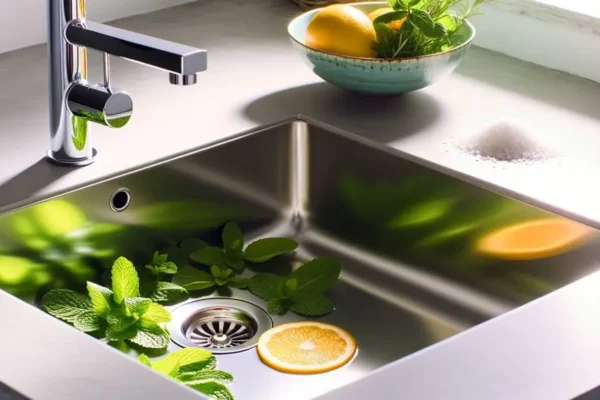
Store-bought cleaners work well, but many everyday kitchen messes can be handled with a few simple ingredients already sitting in your pantry. Homemade kitchen cleaner recipes are useful for anyone who wants to cut down on cost, avoid strong chemical smells, or simply keep fewer bottles under the sink. This guide is part of the Kitchen Cleaning Tools & Supplies Guide, and it covers a handful of reliable, tested-and-trusted homemade recipes, along with where they work well, where they don't, and what to avoid mixing.
When Homemade Cleaners Make Sense
Homemade cleaners are a good fit for routine, everyday messes: wiping counters, cutting grease on a stovetop, freshening up glass and stainless steel, or giving a sink a quick scrub. They're not meant to replace disinfectants for situations that call for actual germ-killing power, like cleanup after handling raw meat or cleaning up after someone in the house has been sick. For that kind of job, a product registered as a disinfectant, used according to its label, is the more reliable choice. The Kitchen Disinfectants vs Sanitizers Explained guide breaks down that difference in more detail if you're unsure which situation calls for which approach.
DIY All-Purpose Kitchen Cleaner Recipe
This is the most useful homemade cleaner to keep on hand, since it covers counters, cabinet fronts, appliance exteriors, and general everyday wiping.
What you need:
- 1 cup water
- 1 cup white vinegar
- A spray bottle
- Optional: a few drops of dish soap for extra grease-cutting on sticky surfaces
How to make and use it:
- Combine the water and vinegar in a clean spray bottle and shake gently to mix.
- Add a small drop of dish soap if you're using it on a slightly greasy surface, since plain vinegar alone doesn't cut oil as well as soap does.
- Spray a light, even coat on the surface, wait about 30 seconds, then wipe with a clean cloth or sponge.
- For dried-on spots, spray and let it sit a minute or two longer before wiping.
Where this works well: laminate counters, sealed tile, glass, stainless steel appliance exteriors, most sink materials, and general cabinet fronts.
Where to avoid it: natural stone counters like granite, marble, or limestone. Vinegar's acidity can etch and dull the surface of these stones over time, even when diluted. If you have natural stone counters, stick to a cleaner labeled safe for stone, or a simple mix of warm water and a small amount of mild dish soap instead.
Homemade Degreaser Recipe
Stovetop splatter, range hood buildup, and greasy cabinet fronts near the stove call for something with a bit more cutting power than the all-purpose spray above.
What you need:
- 2 cups warm water
- 2 tablespoons dish soap
- 2 tablespoons baking soda
- A spray bottle or bowl for mixing
How to make and use it:
- Combine the warm water, dish soap, and baking soda in a bowl or spray bottle, stirring or shaking gently until the baking soda mostly dissolves.
- Apply to the greasy area, either by spraying or by dipping a sponge directly into the mixture.
- Let it sit for two to three minutes on heavier grease buildup, since the extra time gives the soap and baking soda a chance to loosen the residue.
- Wipe with a damp cloth, then follow with a dry cloth to remove any leftover residue or streaking.
- For particularly stubborn spots, a soft-bristled brush can help work the mixture in, but avoid anything abrasive on painted, glass, or coated surfaces.
Where this works well: stovetops (check your specific stovetop material first, since ceramic glass tops need a gentler touch than metal grates), range hood exteriors, greasy cabinet fronts, and oven exteriors.
Where to be careful: avoid using this mixture on unsealed wood or any surface where you're unsure how it will react to prolonged moisture. Always test a small, hidden area first if you haven't used this mix on that particular surface before.
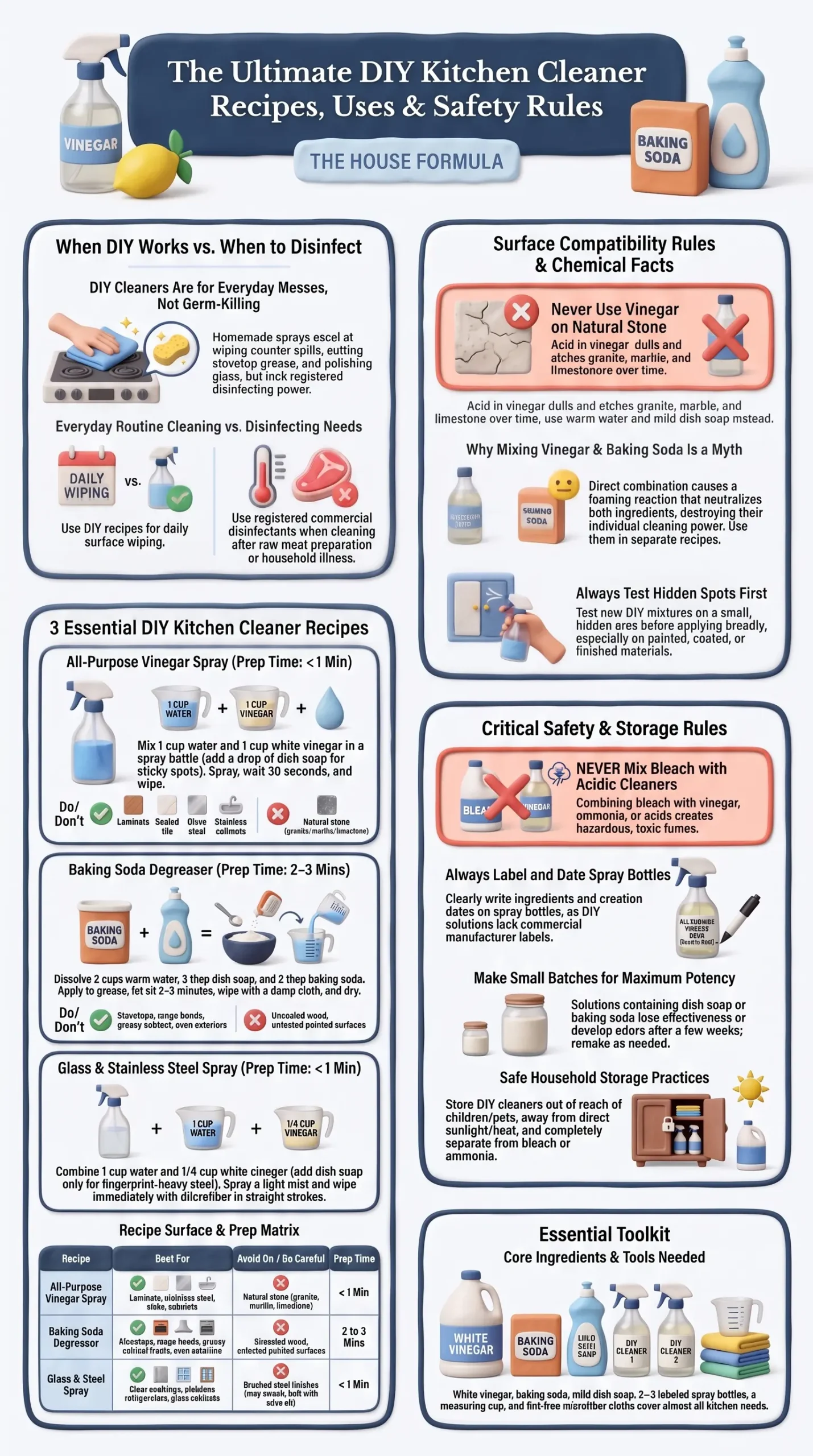
Photo Credit: Hobby Guidebook Editorial
Homemade Glass and Stainless Steel Cleaner
Glass cooktops, oven doors, stainless steel appliances, and windows in the kitchen all show streaks and smudges easily, and a simple homemade spray handles this well without leaving the greasy film that some commercial glass cleaners can leave behind if overused.
What you need:
- 1 cup water
- 1/4 cup white vinegar
- A few drops of dish soap (optional, mainly for fingerprint-heavy stainless steel)
- A spray bottle
How to make and use it:
- Mix the water and vinegar in a spray bottle. Add the dish soap only if you're targeting a stainless steel appliance with visible fingerprints or handprints.
- Spray a light mist directly onto the surface, not so much that it drips.
- Wipe immediately with a clean microfiber cloth, using straight, even strokes rather than circles, which helps avoid streaking.
- Follow with a dry section of the cloth for a final pass if any residue remains.
Where this works well: glass cooktops (once cooled), stainless steel refrigerators and dishwashers, kitchen windows, and glass cabinet fronts.
Where to avoid it: stainless steel with a brushed finish sometimes streaks more with vinegar-based sprays, in which case a very light coat of a small amount of olive oil buffed in after cleaning can help reduce visible streaking, though this is optional and purely cosmetic. A microfiber cloth makes a noticeable difference here, since cotton rags tend to leave more lint and streak marks on glass and polished steel. The Microfiber vs Cotton Cloths for Kitchen Cleaning guide explains the practical differences between the two if you're deciding what to keep on hand.
Vinegar and Baking Soda: What They Can and Can't Do Together
Vinegar and baking soda are two of the most common homemade cleaning ingredients, but it helps to understand how they actually work. Vinegar is mildly acidic and useful for cutting through mineral deposits, light grease, and general grime. Baking soda is mildly abrasive and slightly alkaline, useful for gentle scrubbing and absorbing odors. When combined directly, the two react and fizz, which is a fun reaction to watch but doesn't add extra cleaning power, since the fizzing neutralizes much of what each ingredient does on its own. For the recipes above, baking soda and vinegar are used in separate mixtures rather than combined together, which keeps each one working the way it's meant to.
Common Mistakes with Homemade Cleaners
A few habits reduce how well homemade cleaners work, or create unnecessary risk.
- Mixing bleach with vinegar, ammonia, or any acid-based cleaner. This combination can create hazardous fumes and should always be avoided. If a job calls for bleach, use it on its own, in a well-ventilated space, and never combine it with a homemade acidic mixture.
- Using vinegar-based cleaners on natural stone. Even a light, diluted spray can dull or etch stone over repeated use.
- Skipping the test spot. Any homemade mixture should be tested on a small, hidden area first if you haven't used it on that surface before, especially with painted, coated, or finished materials.
- Assuming homemade means disinfecting. Vinegar and baking soda clean and freshen, but they aren't registered disinfectants, so they're not the right choice for situations that genuinely call for sanitizing, like raw meat cleanup.
- Storing homemade cleaners for too long. Mixtures with dish soap or baking soda can lose effectiveness or develop odor after a few weeks, so it's better to make small batches as needed rather than large batches meant to last for months.

Photo Credit: Eva Bronzini
What Tools and Supplies You Need to Make These Recipes
Making homemade kitchen cleaners doesn't require much beyond what most kitchens already have.
Essential supplies:
- White vinegar
- Baking soda
- Mild dish soap
- Two or three labeled spray bottles
- A measuring cup or spoon for consistent mixing
- Microfiber cloths for glass and stainless steel
Optional but useful:
- A small funnel for filling spray bottles without spills
- A soft-bristled brush for stubborn grease spots
- A dedicated bowl or container used only for mixing cleaners, kept separate from food prep items
Choosing the right product for the job comes down to matching the ingredient to the surface: vinegar-based sprays for glass, stainless steel, and sealed non-stone counters, and the baking soda and soap mixture for grease. If you're building out a fuller kitchen cleaning kit beyond these recipes, it helps to think in terms of what's genuinely useful versus what's optional. A sponge, a scrub brush, and a couple of microfiber cloths cover most needs, while specialty tools like grout brushes or steel wool are only worth adding if your kitchen has the specific surfaces that call for them.
How to Store Homemade Cleaners Safely
Proper storage keeps homemade cleaners effective and prevents mix-ups.
- Label every spray bottle clearly, including the ingredients and the date it was mixed, since homemade cleaners don't come with a printed label like store-bought products do.
- Store bottles away from direct sunlight and heat, which can cause some mixtures to break down faster or lose effectiveness.
- Keep homemade cleaners separate from bleach or any ammonia-based product, both in storage and in use, to avoid any accidental mixing.
- Store out of reach of children and pets, the same as any cleaning product, even though the ingredients are common household items.
- Make smaller batches rather than large ones, since most homemade mixtures work best within a few weeks and don't need long-term storage.
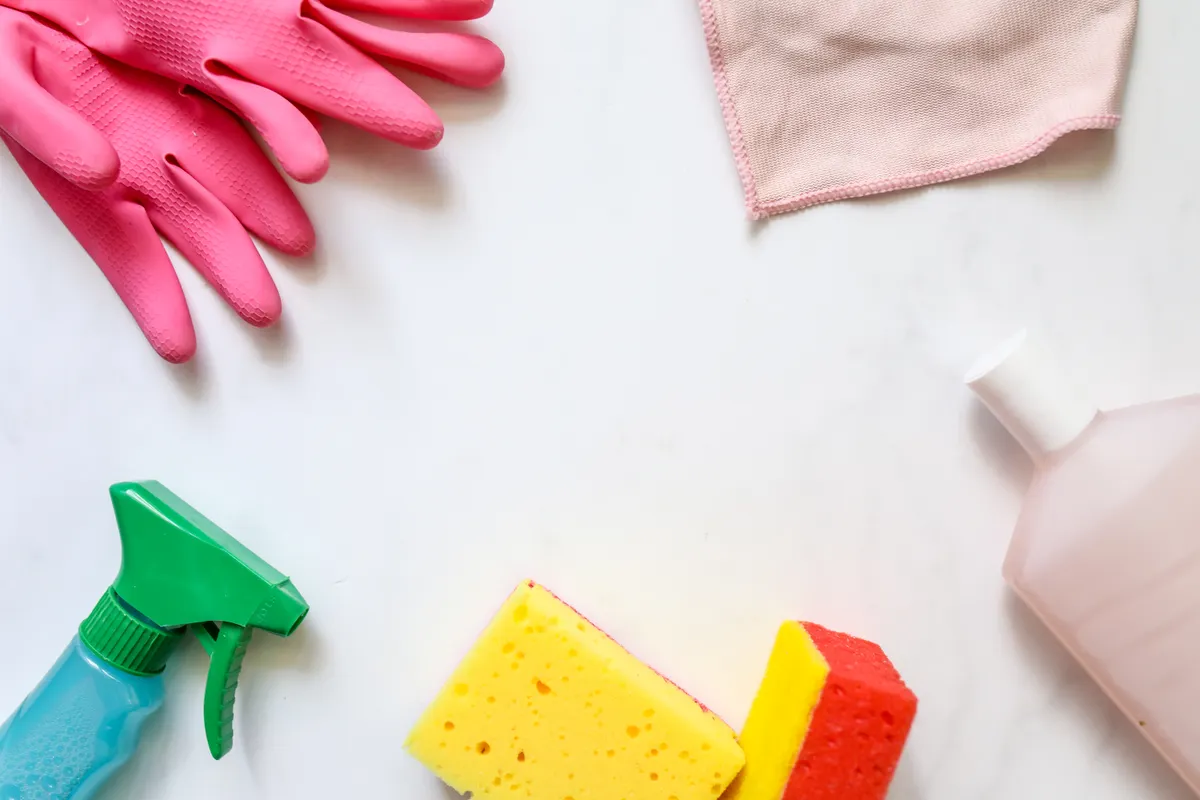
Photo Credit: Polina Tankilevitch
Comparing the Three Recipes
|
Recipe |
Best For |
Avoid On |
Prep Time |
|
All-purpose vinegar spray |
Counters, cabinets, general wiping |
Natural stone counters |
Under 1 minute |
|
Baking soda degreaser |
Stovetops, range hoods, greasy cabinets |
Unsealed wood, untested painted surfaces |
2 to 3 minutes |
|
Glass and steel spray |
Glass cooktops, stainless steel, windows |
Some brushed steel finishes (may streak) |
Under 1 minute |
If you're also tackling bathroom cleaning with a similar do-it-yourself approach, the Homemade Bathroom Cleaner Recipes guide covers recipes suited to tile, grout, and fixtures, which call for slightly different ratios than what works well in the kitchen.
Frequently Asked Questions
What tools and supplies do you actually need for the kitchen? A few labeled spray bottles, white vinegar, baking soda, mild dish soap, and a couple of microfiber cloths cover most homemade cleaning needs in the kitchen.
What are the essential tools or supplies for the kitchen? The essentials are simple: vinegar and dish soap for an all-purpose spray, baking soda for grease and light scrubbing, and a microfiber cloth for glass and stainless steel.
How do you choose products that are appropriate for the kitchen? Match the recipe to the surface. Vinegar-based sprays work on sealed counters, glass, and stainless steel, but not on natural stone, which can be etched by acidic cleaners over time.
Which tools are useful and which are optional for the kitchen? Spray bottles, vinegar, baking soda, and microfiber cloths are useful in nearly every kitchen. Specialty brushes or scent additives are optional extras, not requirements.
How should products or supplies for the kitchen be stored safely? Label bottles with contents and date, store away from heat and sunlight, keep separate from bleach or ammonia-based products, and store out of reach of children and pets.
A Quick Note on Safety
Homemade cleaners made with vinegar, baking soda, and dish soap are generally low-risk when used as described, but a few precautions still matter. Never mix bleach with vinegar, ammonia, or any acidic homemade mixture, since this can produce hazardous fumes. Always test a new mixture on a small, hidden spot before using it on a surface for the first time, particularly natural stone, painted finishes, or anything with a protective coating. Keep all homemade cleaners labeled and stored out of reach of children and pets, and make sure the kitchen has good airflow when using any stronger mixture. If a cleaning job involves raw meat cleanup, illness-related sanitizing, or mold, a registered disinfectant used according to its label is the safer and more appropriate choice.
Explore the complete kitchen cleaning guide for more practical routines across every part of the kitchen.



Leave a Reply