
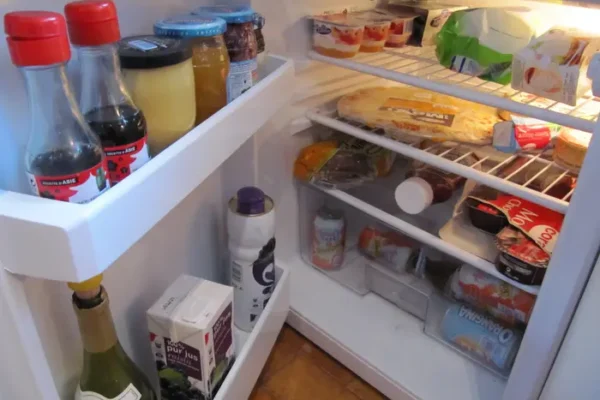
A clean refrigerator does more than look tidy. It keeps food safe, cuts down on odors, and helps the appliance run the way it's supposed to. Refrigerator cleaning is one of those kitchen tasks that's easy to put off, but spills, crumbs, and forgotten leftovers build up fast, especially in the door bins and lower shelves where drips tend to collect.
This guide walks through a complete refrigerator cleaning step-by-step guide, from what to gather before you start to how to handle both the inside and outside without damaging shelves, gaskets, or exterior finishes. If you're looking for a broader kitchen cleaning routine, head Back to the complete kitchen cleaning guide for tasks covering the rest of the room.
What Is the Best Way to Clean a Refrigerator?
The best way to clean a refrigerator is to work in a clear order so nothing gets missed and nothing sits wet longer than it needs to:
- Unplug or set the fridge to its lowest cooling setting if you're doing a full clean, or simply work quickly with the door open for a routine wipe-down.
- Remove food, then sort it into "keep," "toss," and "use soon" piles.
- Take out shelves, drawers, and bins that are removable.
- Wash removable parts in warm, soapy water (check if they're safe for the sink or need hand-washing only).
- Wipe down the interior walls, gasket, and ceiling with a mild cleaning solution.
- Dry everything before putting it back.
- Wipe the exterior, handles, and door seals last.
This order keeps you from re-dirtying a clean surface and helps the whole job feel less overwhelming, especially for refrigerator cleaning for beginners who aren't sure where to start.
How Often Should You Clean a Refrigerator?
A full refrigerator cleaning session works well every one to three months for most households. Between deep cleans, a few smaller habits keep things from getting out of hand:
- Wipe up spills the moment you notice them, especially raw meat juices or dairy drips.
- Do a quick shelf wipe-down weekly if you cook often or store a lot of fresh produce.
- Check for expired items every time you do a grocery run, so old food doesn't sit and cause odors.
- Clean the exterior and handles a few times a week, since they're touched constantly.
Households with young kids, pets, or someone managing food allergies may want to clean more often, simply because spills and cross-contact happen more frequently.
What You'll Need
Most refrigerator cleaning tasks don't require anything specialized. A basic kit includes:
- Warm water and a few clean microfiber cloths or sponges
- Mild dish soap (unscented is often gentler on food-contact surfaces)
- Baking soda for scrubbing and odor control
- White vinegar diluted with water, for glass shelves and general interior wiping
- A soft-bristle brush for gasket grooves and tight corners
- A cooler or box with ice packs, if you're pulling everything out for a deep clean
- Rubber gloves, especially if you're clearing out anything spoiled
Skip anything with bleach for interior surfaces unless the label specifically says it's safe for food-contact areas, and never combine bleach with vinegar, ammonia, or other cleaners. That combination can release harmful fumes, and it has no place near where food is stored.
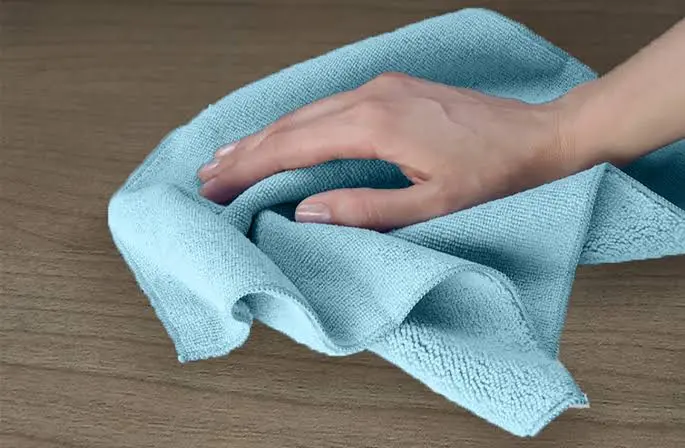
Photo Credit: Internet
How to Clean the Inside of a Refrigerator
Interior cleaning is where most of the actual food safety benefit comes from, so it's worth doing carefully rather than rushing through it.
Step 1: Empty the fridge. Take everything out and place perishables in a cooler if the job will take more than 15 to 20 minutes. Check expiration dates as you go and toss anything that's past its prime or has an off smell.
Step 2: Remove shelves and drawers. Most glass shelves and plastic drawers lift out or slide free. Let them come to room temperature for a few minutes before washing in warm water, since sudden temperature changes can occasionally cause glass to crack.
Step 3: Wash removable parts by hand. Warm water with a small amount of mild dish soap works for shelves, drawers, and bins. Rinse well and dry completely with a clean towel before returning them, since trapped moisture can lead to odors or mildew over time.
Step 4: Wipe the interior walls and ceiling. Mix a mild solution of warm water and a few drops of dish soap, or use a diluted vinegar-and-water mix (roughly one part vinegar to three parts water). Wipe down walls, the ceiling of the fridge, and any interior trim. Baking soda paste (a bit of baking soda mixed with water) is helpful for lifting dried spills without scratching plastic liners.
Step 5: Clean the door gasket. The rubber seal around the door collects crumbs and grime in its folds. Use a soft brush or an old toothbrush dipped in soapy water to clean along the groove, then wipe dry. A dirty or damaged gasket can affect how well the door seals, so this step matters more than it might seem.
Step 6: Dry everything before restocking. Leftover moisture inside the fridge encourages odors and, in some cases, mold growth. Let shelves and drawers air dry fully, then wipe any remaining interior moisture with a dry cloth before putting food back.
For deeper detail on shelf materials, drawer types, and stain-specific interior tips, our full Refrigerator Interior Cleaning guide covers each surface individually.
How to Clean the Outside of a Refrigerator
Exterior cleaning depends heavily on the finish. Stainless steel, matte black, painted panels, and wood-front panels each respond differently to cleaning products, so it's worth knowing which type you have before grabbing a cleaner.
For stainless steel: Use a soft cloth with warm, soapy water, wiping in the direction of the grain (the faint lines running across the surface). Dry with a separate cloth to avoid water spots. Avoid abrasive scrubbers or scouring pads, since they can leave permanent scratches.
For painted or matte finishes: A gentle all-purpose cleaner or a soapy water solution usually works fine. Avoid anything with bleach or strong solvents, which can dull or discolor the finish over time.
For handles and control panels: Wipe with a slightly damp cloth and mild soap. Avoid spraying cleaner directly onto touch-screen control panels; spray the cloth instead and wipe.
For the top and sides: These areas collect dust and grease, especially near the kitchen ceiling. A microfiber duster or a damp cloth handles most buildup without much effort.
Rinse residue from any cleaner with a barely damp cloth, then dry the surface fully. Leaving cleaning solution to air-dry on some finishes can cause streaking or a dull film. For material-specific product recommendations and finish care, the Quartz Countertop Cleaning and Granite Countertop Cleaning guides can help if your fridge sits near countertop surfaces that need matching care, but for the appliance finish itself, our dedicated Refrigerator Exterior Cleaning guide breaks down each material in more depth.
What Cleaning Products Are Safe for a Refrigerator?
Since a refrigerator holds food, product choice matters more here than in most other parts of the kitchen. Generally safe options include:
|
Product |
Where It's Safe to Use |
Notes |
|
Mild dish soap and warm water |
Interior walls, shelves, drawers, gasket |
Rinse well to avoid soap residue near food |
|
Baking soda paste |
Dried spills, interior odors |
Gentle enough for plastic liners |
|
Diluted white vinegar |
Interior surfaces, glass shelves |
Test on interior plastic trim first if unsure |
|
All-purpose cleaner (mild, no bleach) |
Exterior panels, handles |
Check label for finish compatibility |
|
Stainless steel cleaner |
Stainless exterior only |
Follow the grain direction |
Products to avoid inside the fridge include bleach-based cleaners, ammonia-based glass cleaners near food-contact surfaces, and anything with strong solvents. These can leave residue or fumes that linger in an enclosed space where food is stored.

Photo Credit: Internet
What Should You Avoid When Cleaning a Refrigerator?
A few habits cause more harm than good, even when the intention is a thorough clean:
- Avoid abrasive scrubbers on interior liners and exterior finishes. They can scratch plastic and stainless steel alike.
- Avoid bleach on interior surfaces unless a specific product label confirms it's food-safe and rinse instructions are followed exactly.
- Never mix bleach with vinegar or ammonia-based products. This combination can produce fumes that are unsafe to breathe, especially in a small kitchen space.
- Avoid soaking electrical components, including any exterior control panels or dispenser areas.
- Don't use extremely hot water on cold glass shelves. The temperature shock can cause cracking. Let shelves warm up gradually first.
- Avoid leaving the door open too long during a deep clean in a warm kitchen, since this affects internal temperature and food safety for anything left inside.
How Can You Clean a Refrigerator Without Damaging It?
The safest approach is to match the product to the surface rather than using one cleaner for everything. A few guiding habits help avoid accidental damage:
- Test any new cleaning product on a small, hidden interior spot first, especially on colored or textured plastic liners.
- Stick to soft cloths and sponges rather than anything abrasive.
- Dry surfaces fully after cleaning, since trapped moisture can affect both plastic liners and metal exterior finishes over time.
- Follow manufacturer guidance when it's available, particularly for finishes like brushed stainless or specialty coated panels, since some manufacturers advise against specific cleaner types.
- Handle the gasket gently. Pulling or stretching it while cleaning can loosen the seal.
Common Mistakes to Avoid With Refrigerator Cleaning
Even careful cleaners fall into a few predictable habits that make the job harder than it needs to be:
- Skipping the "empty and sort" step. Cleaning around food instead of moving it first usually means missed spots and a rushed job.
- Not drying shelves and drawers before replacing them. This traps moisture and encourages odors.
- Using too much cleaner. A small amount goes further than people expect, and excess product often means more rinsing later.
- Forgetting the door gasket. It's one of the most overlooked spots, yet it collects crumbs and grime constantly.
- Cleaning the outside but ignoring the inside. A shiny exterior with a neglected interior doesn't address the food safety side of things.
- Using the same cloth for raw meat spills and general wiping. Switch cloths, or wash thoroughly between uses, to avoid spreading bacteria.
Dealing With Refrigerator Odors and Mold
Lingering smells usually trace back to one of a few causes: an old spill, an expired item tucked in the back, or moisture sitting somewhere it shouldn't. Start by checking every item for spoilage, then wipe down all interior surfaces with the vinegar-and-water solution described earlier.
For stubborn odors, an open box of baking soda left inside the fridge can help absorb smells over the following days. If you notice mold, particularly in door seals or drawer corners, clean the area with warm soapy water and dry it completely. Persistent mold that keeps returning despite regular cleaning may point to a seal that isn't closing properly or a drainage issue, which is worth having checked rather than repeatedly scrubbing.
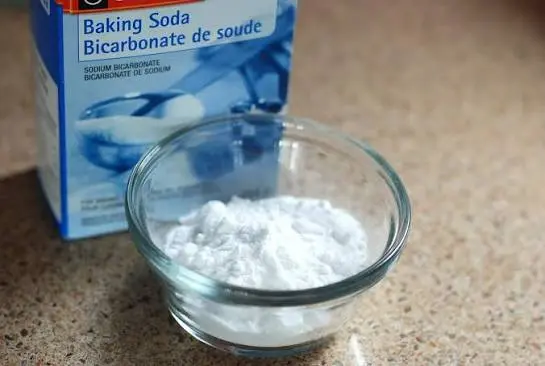
Photo Credit: Internet
How Long Does a Full Refrigerator Clean Take?
A full interior and exterior refrigerator clean typically takes 30 to 60 minutes for an average-sized fridge, depending on how much needs to be sorted and how dirty the shelves and gasket are. A quick routine wipe-down of visible spills and the exterior can take as little as 5 to 10 minutes, which is why smaller, more frequent cleanups tend to keep the bigger job from becoming a chore.
Refrigerator Cleaning Checklist
Use this quick checklist for routine and deep cleaning sessions:
Weekly quick clean:
- Wipe visible spills
- Check for expired items
- Wipe exterior handles and panels
Monthly to quarterly deep clean:
- Empty the fridge and sort items
- Remove and wash shelves and drawers
- Wipe interior walls, ceiling, and gasket
- Dry all parts before restocking
- Clean exterior panels according to finish type
- Check for odors or early mold signs
Frequently Asked Questions
What is the best way to clean a refrigerator? Empty it out, wash removable shelves and drawers separately, wipe the interior with a mild soap or diluted vinegar solution, dry everything, then finish with the exterior last.
How often should you clean a refrigerator? A full deep clean every one to three months works for most households, with weekly spot cleaning for spills and touched surfaces in between.
What cleaning products are safe for a refrigerator? Mild dish soap, diluted vinegar, and baking soda are generally safe for interior surfaces. Exterior finishes vary, so match the product to whether it's stainless steel, painted, or matte.
What should you avoid when cleaning a refrigerator? Avoid bleach on interior surfaces unless labeled food-safe, avoid abrasive scrubbers, and never mix bleach with vinegar or ammonia-based products.
How can you clean a refrigerator without damaging it? Use soft cloths, test new products in a hidden spot first, dry surfaces fully, and follow any manufacturer guidance for the specific finish.
What common mistakes should you avoid with refrigerator cleaning? The biggest ones are skipping the sort-and-empty step, not drying parts before replacing them, and forgetting the door gasket.
A Note on Safety
Some refrigerator cleaning tasks involve chemicals, and a few precautions are worth keeping in mind. Always check product labels before use, especially for anything used near food-contact surfaces, and follow manufacturer instructions for your specific appliance finish. Never mix bleach with vinegar, ammonia, or other household cleaners, since this can produce harmful fumes. Work in a well-ventilated space when using stronger cleaning products, and if mold or odor issues persist despite regular cleaning, it may be worth having the appliance checked by a professional.
For more kitchen tasks beyond the refrigerator, Explore the complete kitchen cleaning guide to find routines for countertops, stovetops, sinks, and more.





Leave a Reply