

A bathroom that looks clean can still smell off, and that gap is usually what sends people searching for answers. Odors in this room come from a mix of sources that don't exist anywhere else in the house: standing water in a drain, a damp towel left bunched on the floor, or moisture trapped behind a toilet base. Solving the smell means finding the actual source, not just spraying something fragrant over it.
This guide gives you a bathroom odor removal cleaning step-by-step guide, along with a bathroom odor removal cleaning checklist to help you catch problems early. If you're just getting started, think of it as bathroom odor removal cleaning for beginners, since most odor sources follow a similar pattern once you know where to look. If you want the full picture of bathroom care first, you can go Back to the complete bathroom cleaning guide.
The Best Way to Remove Bathroom Odors
The most effective approach tracks down the source before reaching for any air freshener. Here is the short version:
- Identify where the smell is strongest by checking different areas of the room individually.
- Clean the specific source (drain, toilet base, trash bin, or fabric).
- Address any underlying moisture issue, not just the smell itself.
- Improve airflow with the exhaust fan or an open window.
- Recheck after a day to confirm the odor is actually gone, not just masked.
This order matters because covering a smell with spray or a plug-in freshener only works temporarily if the actual source is still there. Odors in a bathroom are almost always tied to moisture, bacteria, or trapped debris, and none of those go away with fragrance alone.
How Often You Should Address Bathroom Odors
Bathroom odor control works best as a routine rather than something you deal with only when a smell shows up. A general schedule looks like this:
- Daily: A quick check of the trash bin and any damp towels or bath mats left on the floor, since these are common daily odor sources.
- Weekly: Cleaning the toilet, sink drain, and floor around the toilet base, areas that build up odor-causing residue steadily over a week.
- Monthly: A closer look at the shower drain and any slow-draining fixtures, since hair and soap buildup here can cause a lingering smell that's easy to miss day to day.
Bathrooms with poor ventilation need more frequent attention, since trapped humidity holds onto odors longer than a well-aired space. Households with multiple people sharing one bathroom should also expect to check trash and laundry more often, simply because more daily use means more opportunities for odor sources to build up between cleanings.

Photo Credit: Hobby Guidebook Editorial
What Products Are Safe for Bathroom Odor Removal
The right product depends on what's actually causing the smell, since odor sources in a bathroom aren't all the same.
|
Odor Source |
Safe Options |
Avoid |
|
Slow or smelly drain |
Baking soda and hot water flush, enzyme drain cleaner |
Bleach poured directly down a drain with standing water |
|
Toilet base or floor |
Mild all-purpose cleaner, diluted vinegar on sealed tile |
Bleach mixed with any ammonia-based cleaner |
|
Trash bin |
Mild soap and water, occasional diluted bleach rinse (dried fully after) |
Leaving bin unwashed for extended periods |
|
Damp towels or bath mats |
Regular laundering with normal detergent |
Leaving items damp and bunched for days |
|
General air freshening |
Baking soda dish, activated charcoal, ventilation |
Heavy fragrance sprays as a substitute for cleaning |
Important: Never pour bleach down a drain that already has standing water or if you've recently used any drain product containing ammonia, since the two can react and release harmful fumes. If a drain needs more than a baking soda flush, an enzyme-based cleaner is generally a safer starting point than bleach for breaking down the organic buildup that causes smell.
Vinegar is useful for general odor control on sealed tile and around fixtures, but it shouldn't be used on natural stone or unsealed grout, since the acid can etch or discolor those materials over time. If you're unsure what your bathroom floor is made of, a mild all-purpose cleaner is the safer default choice.
Tools That Make the Job Easier
A short list of tools handles most bathroom odor situations:
- A drain brush or plastic drain snake, useful for pulling out hair and debris that causes slow drains and lingering smell.
- A soft scrub brush, for cleaning around the toilet base and floor seams where grime tends to collect.
- A microfiber cloth, for wiping down surfaces after cleaning to catch any leftover residue.
- Rubber gloves, especially useful when cleaning drains or handling a dirty trash bin.
- A small fan or the exhaust fan, to keep air moving through the room while you work and after you finish.
Skip air fresheners as a first response to any new smell. They can make it harder to tell whether a cleaning method actually worked, since the fragrance masks the problem rather than confirming it's gone.
Step-by-Step: Removing Musty Bathroom Odors
A musty smell almost always points to trapped moisture somewhere in the room, whether that's a damp towel, a slow drain, or humidity that isn't clearing properly.
- Check for damp textiles first. Bath mats, towels, or a shower curtain left bunched up are one of the most common sources of a musty smell and the easiest to rule out.
- Inspect the drain. Run water and watch how quickly it clears. A slow drain often means trapped hair and soap buildup, which can produce a musty or sour smell over time.
- Flush the drain with baking soda and hot water. Pour about a half cup of baking soda down the drain, followed by hot (not boiling, if pipes are older) water, and let it sit for a few minutes before running water again.
- Check under the sink and around the toilet base for any signs of a slow leak, since hidden moisture here can cause a musty smell that's hard to trace otherwise.
- Improve airflow. Run the exhaust fan for 15 to 20 minutes after every shower, and consider leaving the door open when the room isn't in use, to help residual humidity clear faster.
- Recheck after 24 hours. If the musty smell persists after addressing textiles, drains, and ventilation, the source may be less obvious, such as moisture trapped behind a wall or under flooring.
A musty smell that keeps returning despite regular cleaning often points to a ventilation or hidden moisture issue rather than a surface cleaning gap. For a deeper look at tracing persistent musty odors, including hidden leaks and ventilation troubleshooting, see the full Removing Musty Bathroom Odors guide.

Photo Credit: Marek Korzeniowski
Step-by-Step: Removing Toilet Odors in a Small Bathroom
Small bathrooms have less air volume to dilute odors, which makes toilet-related smells feel stronger and linger longer than in a larger space.
- Clean the toilet bowl and under the rim with a toilet brush and bowl cleaner, since buildup under the rim is a common, overlooked odor source.
- Wipe down the base and floor around the toilet, checking for any moisture or residue where the toilet meets the floor.
- Check the wax ring seal if odor persists even after cleaning, since a failing seal at the base can allow sewer gas smell to escape into the room. This typically requires a plumber to address properly.
- Improve ventilation specifically for this space. In a small bathroom, running the exhaust fan for longer after each use, or adding a small odor-absorbing element like a baking soda dish, can help more noticeably than in a larger room.
- Keep the lid closed when not in use, which helps contain odor between cleanings and limits how much humidity escapes into the room from the bowl.
If toilet odor shows up strongest near the floor and doesn't improve with regular cleaning, that combination often points to the wax ring rather than anything a cleaning routine can fix. For more detail on identifying a seal issue versus a cleaning issue in a compact bathroom, see the Removing Toilet Odors from a Small Bathroom guide.
Preventing Bathroom Odors from Coming Back
A consistent routine does more to prevent odors than any single deep clean.
- Run the exhaust fan during and after every shower to clear humidity before it settles into fabrics and grout.
- Hang towels and bath mats to dry fully rather than leaving them bunched on the floor.
- Empty and rinse the trash bin regularly, especially if it holds anything damp or organic.
- Flush drains with baking soda and hot water monthly to slow the buildup that leads to slow drains and odor.
- Check the toilet base periodically for any sign of moisture, which can point to a seal problem before it becomes a bigger issue.
What to Avoid When Removing Bathroom Odors
A few habits make odor problems worse rather than better.
- Avoid pouring bleach down a drain with standing water, since trapped chemical residue can react unpredictably.
- Avoid mixing bleach with any ammonia-based cleaner, as this combination can release harmful fumes.
- Avoid relying on air freshener alone, since it masks a smell instead of addressing the source.
- Avoid using vinegar on natural stone or unsealed grout, since the acid can etch or discolor these materials.
- Avoid leaving damp textiles bunched up, since this is one of the most common and easily fixed odor sources in the room.
How to Remove Odors Without Damaging Surfaces
A few habits keep bathroom cleaning effective without risking damage:
- Match the cleaner to the surface, especially around natural stone or unsealed grout.
- Use enzyme-based drain cleaners as a gentler first option before anything stronger.
- Dry the trash bin fully after washing to prevent it from becoming a new odor source.
- Address ventilation and moisture issues alongside cleaning, not as an afterthought.
- Call a plumber for suspected seal or pipe issues rather than relying on repeated surface cleaning.
What Causes Odors in a Bathroom
Bathroom odors usually trace back to one of a few common sources:
- Trapped moisture in towels, mats, or the air itself when ventilation is weak.
- Slow or clogged drains, where hair and soap residue break down and produce a sour or musty smell.
- Buildup under the toilet rim or around the base, including a failing wax seal in some cases.
- A trash bin that hasn't been emptied or rinsed recently, especially if it holds anything organic.
- General bacteria buildup on surfaces that aren't cleaned as often as the more visible parts of the room.
If a specific, unpleasant smell like urine odor is the issue rather than general mustiness, that calls for a more targeted approach, since it often involves porous materials like grout or caulk that have absorbed the odor over time. For a closer look at treating this specific type of odor, see the Removing Urine Odor from a Bathroom guide.
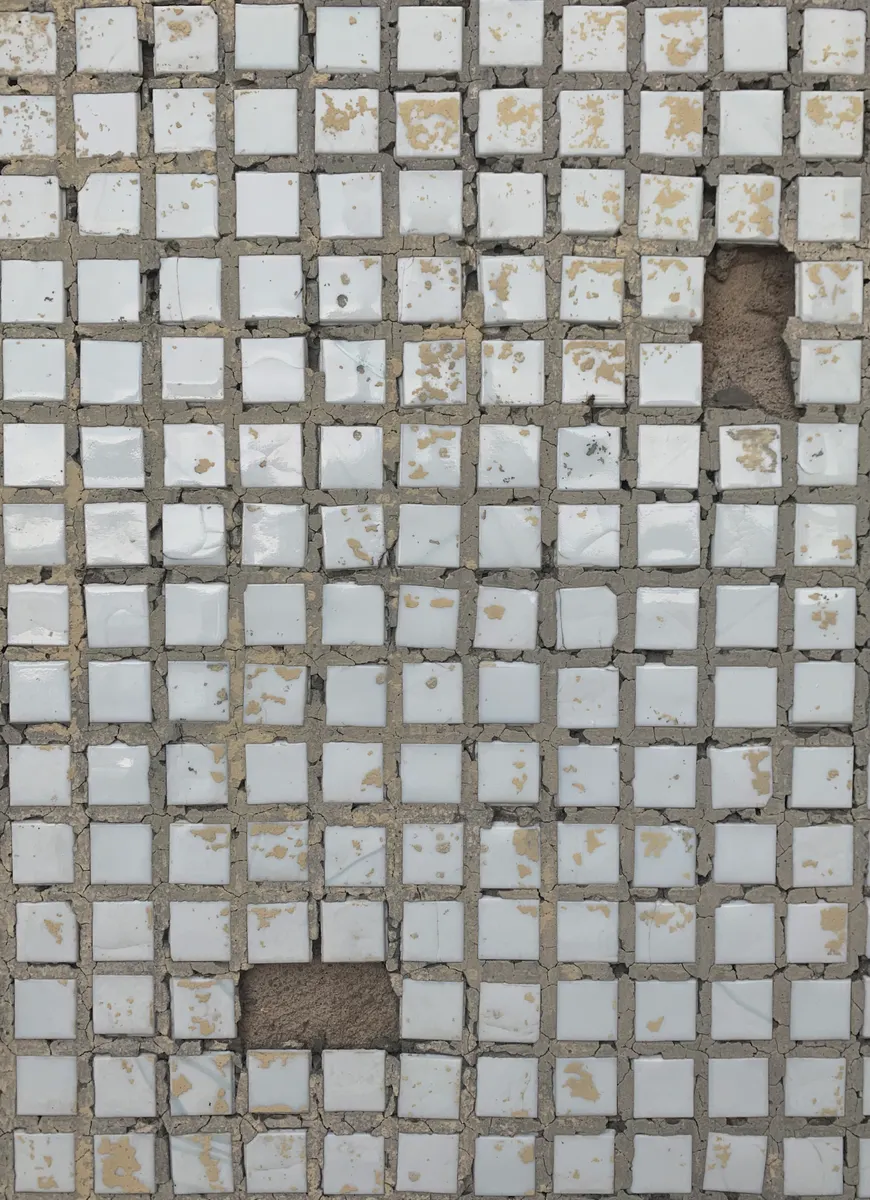
Photo Credit: zhmkhv
How Long Bathroom Odor Removal Takes
A routine check of trash and damp textiles takes just a couple of minutes daily. A weekly toilet and drain clean typically takes 15 to 20 minutes. Tracing a persistent, harder-to-find odor, including checking under the sink and around the toilet base, can take 30 minutes or more, especially if it involves ruling out several possible sources before finding the right one.
Bathroom Odor Removal Checklist
Use this quick checklist to stay ahead of bathroom odors:
- Check for damp towels or bath mats daily.
- Empty and rinse the trash bin regularly.
- Clean the toilet bowl, under the rim, and around the base weekly.
- Flush drains with baking soda and hot water monthly.
- Run the exhaust fan during and after every shower.
- Check under the sink and toilet base for hidden moisture.
- Avoid masking a new smell with air freshener before finding the source.
Frequently Asked Questions
What is the best way to clean bathroom odor removal? Find the specific source of the smell first, clean that area directly, address any underlying moisture, then improve airflow with the exhaust fan or an open window.
How often should you clean bathroom? Check trash and damp textiles daily, clean the toilet and drains weekly, and do a deeper check of slow-draining fixtures monthly.
What cleaning products are safe for bathroom? Baking soda and hot water for drains, mild all-purpose cleaner for most surfaces, and diluted vinegar for sealed tile, though vinegar should be avoided on natural stone or unsealed grout.
What should you avoid when cleaning bathroom? Avoid pouring bleach down a drain with standing water, avoid mixing bleach with ammonia-based products, and avoid relying on air freshener instead of addressing the actual source.
How can you clean bathroom without damaging it? Match the cleaner to the surface, use gentler enzyme-based drain products first, and dry the trash bin and textiles fully to prevent new odor sources.
What causes odors in or around bathroom? Trapped moisture in towels or air, slow drains, toilet base buildup or seal issues, an unwashed trash bin, and general bacteria buildup on surfaces that don't get cleaned as often.
For the full room-by-room approach to bathroom care, View the full bathroom cleaning guide.



Leave a Reply