
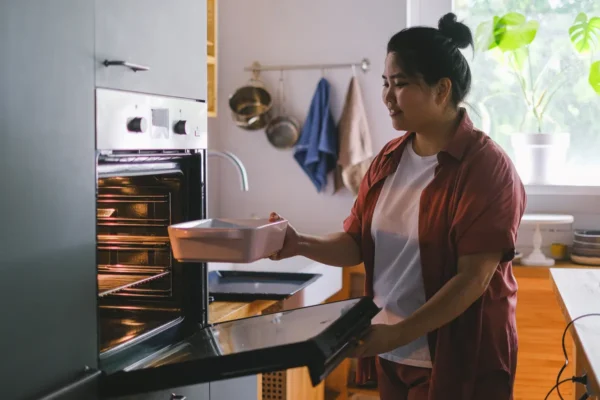
Burnt-on grease is the hard, dark, sticky layer that forms when spills bake onto oven walls and the floor again and again. It does not wipe off with a damp cloth, but it can be removed. The safest approach is to soften it first, scrape gently, and use stronger products only if gentler ones fail. This guide shows how to deal with burnt on grease in an oven without damaging the surface.
This page is part of our Oven Interior Deep Cleaning series. It covers the tools you need, a step-by-step method, safe products, common mistakes, and how often to clean.
Why Grease Burns On and How to Pick a Method
Grease spatters and drips onto hot surfaces. Each time you heat the oven, the old layer bakes harder. Over time it turns into a dark, shiny film that can even smoke when you preheat.
How you tackle it depends on how bad it is:
- Light to medium buildup: Soap, warm water, and baking soda paste often do the job.
- Thick, glossy, or black buildup: It may need a longer soak, repeated rounds, or a commercial oven cleaner used with care.
- Very heavy buildup: A built-in cleaning cycle or a professional may be the better choice.
Grease is mostly fat, so it responds to soap, warmth, and time. Time does more work than force, so plan to leave products on the surface rather than scrubbing right away. Start with the gentlest method and move up only when you need to. This protects the oven's coating and keeps you safer. If you would rather avoid harsh products from the start, our Natural & Non-Toxic Oven Cleaning guide covers the baking soda method in detail.
Check your oven manual first. Some ovens have catalytic liners (rough, porous wall panels) that should never be scrubbed or sprayed with oven cleaner.
Tools and Supplies You Will Need
Gather everything before you start, so you are not hunting for supplies with a messy oven open.
- Rubber gloves (and safety goggles if you use a commercial cleaner)
- A plastic scraper or a wooden or silicone spatula
- A non-scratch scrub pad or soft nylon brush
- Microfiber cloths or soft sponges
- Baking soda and a small bowl
- Dish soap and warm water
- A spray bottle with white vinegar
- Old towels to protect the floor
- A commercial oven cleaner (optional, for the worst spots)
The most important rule for tools is to use soft ones. Steel wool, wire brushes, and metal scrapers can scratch the oven's enamel coating. Scratches make the surface rougher, which gives future grease more to hold onto.

Photo Credit: Hobby Guidebook Editorial
How to Remove Burnt-On Grease from an Oven Step by Step
- Make sure the oven is off and completely cool. Take out the racks, trays, and thermometers. Lay towels in front of the oven.
- Scrape off loose chunks. Use a plastic scraper or spatula to lift crumbs and flaky bits. Do not dig at the hard grease yet.
- Soften the grease. Soak a cloth in hot, soapy water, wring it out, and lay it over the worst spots. Leave it for 15 to 30 minutes. Re-wet it as it cools.
- Apply baking soda paste. Mix baking soda with a little water into a thick paste. Spread it over the greasy areas. Keep it off the heating elements, fan openings, gas vents, and sensors.
- Let it sit. Close the door and wait several hours or overnight. The paste slowly breaks down the grease.
- Wipe and scrub gently. Use a damp cloth first. For stuck spots, use a non-scratch pad in small circles. Do not press hard.
- Spray with vinegar. Lightly mist any white residue. It will fizz. Wipe again with a clean, damp cloth.
- Repeat if needed. Thick grease may take two or three rounds. This is normal, and it is gentler than scrubbing hard.
- Rinse and dry. Wipe the whole interior with clean water until no residue is left. Leave the door open so it can dry.
Never mix vinegar with bleach or any other cleaner. Use one product at a time and rinse between them.
When to Use a Commercial Oven Cleaner
If grease is still there after a few rounds, a commercial oven cleaner may help. Many are strongly alkaline, which means they can burn skin and eyes and give off strong fumes. If you use one:
- Read the label first. Make sure it is safe for your type of oven.
- Wear gloves and goggles, and open windows.
- Keep it off elements, vents, and any catalytic liners.
- Follow the waiting time on the label, then rinse the oven very well.
Do not use these products inside an oven while it is hot, and never mix them with any other cleaner. Many manufacturers also advise against using them in self-cleaning ovens, so check your manual.

Photo Credit: Pavel Danilyuk
Safe Products for Burnt-On Grease
This table shows which options fit which situation.
|
Method |
Best for |
Notes |
|
Hot soapy cloth |
Softening fresh or medium grease |
Safest start; takes a little time |
|
Baking soda paste |
Baked-on spills and film |
Mild scrubbing power; avoid bare aluminum |
|
Vinegar spray |
Cutting leftover residue |
Rinse well; do not mix with other cleaners |
|
Commercial oven cleaner |
Thick, black, stubborn grease |
Strong fumes and skin risk; follow the label |
|
Self-clean cycle |
Heavy buildup if your oven has one |
High heat, smoke, and fumes; see our Self-Cleaning Oven Cycle Guide |
If your oven has a self-clean mode, do not use a commercial cleaner and the cycle together. Wipe all products out before you start the cycle, because leftover residue can smoke and cause fumes.
Common Mistakes When Cleaning Burnt-On Grease
A few mistakes cause most of the damage:
- Scrubbing too hard too soon. It scratches the surface and rarely saves time.
- Using steel wool or metal scrapers. They can ruin the enamel.
- Cleaning a warm oven. Heat makes products harsher and can burn you.
- Skipping the rinse. Leftover cleaner can smoke or smell when the oven heats.
- Getting product on elements, vents, or sensors. It can block parts or cause odors.
- Mixing cleaners. Never combine bleach with vinegar, ammonia, or other products.
- Cleaning without ventilation. Fumes build up fast in a closed kitchen.
- Ignoring the manual. Some finishes and liners need special care.
If a stain will not budge, stop and wait. It is better to repeat a gentle method the next day than to force it. Grease that has been baked on for months will not come off in one afternoon.
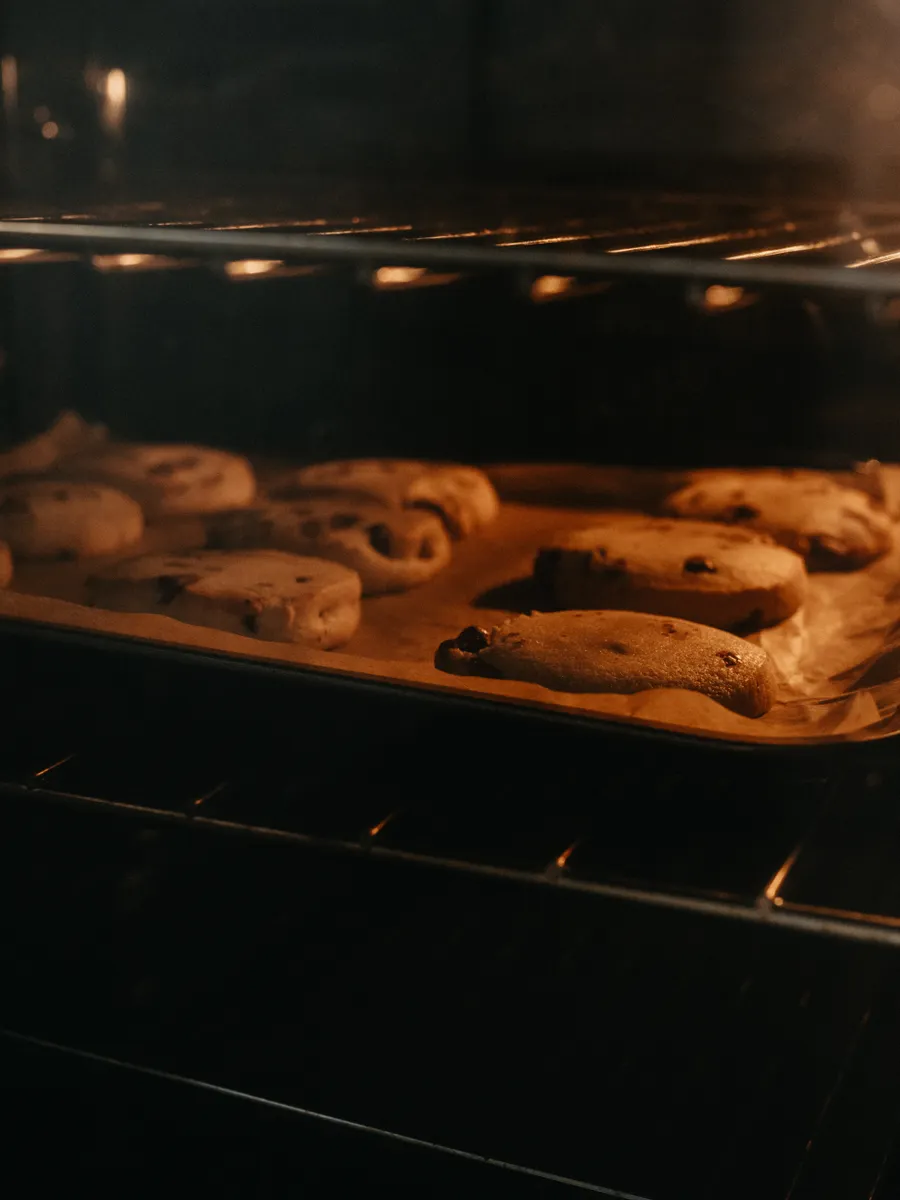
Photo Credit: Lisa Fotios
How Often to Clean the Oven
How often depends on how much you cook. Many households do a deeper clean every few months. If you roast meat or bake greasy foods often, you may need to do it more often.
You can keep grease from building up with small habits:
- Wipe spills after the oven cools, while they are still soft.
- Cover greasy dishes with a lid or foil on a lower rack, not on the oven floor.
- Use a baking sheet under pies and casseroles that tend to bubble over.
- Do a quick wipe-down once a month.
Regular light cleaning is much easier than a big scrub. A cloth and a little soapy water, used once the oven is fully cool, often lifts a fresh spill in seconds. Check the oven floor and door glass each time, since those spots collect the most drips. It keeps burnt-on grease from forming in the first place.
If the grease is too thick, the door seal is damaged, or you are not comfortable using strong products, a professional oven cleaner is an option. Costs vary by location and company, so ask for a quote first.
Frequently Asked Questions
How do you remove burnt-on grease from an oven?
Let the oven cool, scrape off loose bits with a plastic tool, soften the grease with hot soapy cloths, then apply baking soda paste for several hours. Wipe, scrub gently, and rinse. Repeat if needed.
How often should you clean burnt-on grease from an oven?
Do a deeper clean every few months, or sooner if you cook greasy foods often. Wipe spills as they happen so grease cannot bake on.
What cleaning products are safe for burnt-on grease from an oven?
Dish soap, baking soda, and white vinegar are the gentlest choices. A commercial oven cleaner can work on stubborn grease, but only if the label says it is safe for your oven, and only with gloves and ventilation.
What should you avoid when cleaning burnt-on grease from an oven?
Avoid steel wool, metal scrapers, cleaning a warm oven, mixing products, and getting cleaner on heating elements or vents. Do not skip the final rinse.
Once the oven is clean, a little upkeep keeps it that way. For more kitchen tasks, check out the full kitchen cleaning guide.
Safety note: Turn the oven off and let it cool completely before cleaning. Follow your oven manufacturer's instructions and product labels first. Never mix cleaning products, especially bleach with vinegar, ammonia, or other cleaners. Wear gloves, protect your eyes with strong products, and ventilate the kitchen. If you smell gas, see damaged wiring, or the buildup is more than you can safely handle, contact a qualified professional.



Leave a Reply