
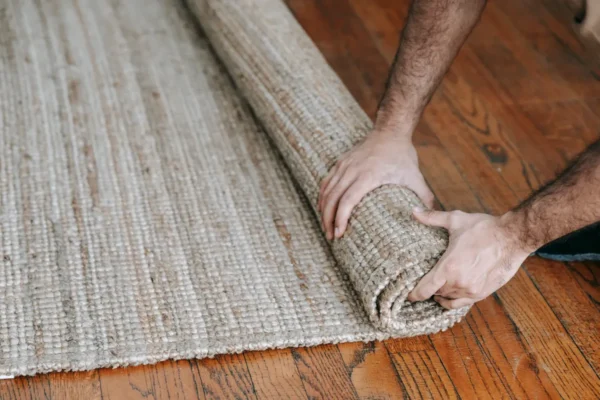
A kitchen mat that looks fine from a distance often tells a different story up close, with ground-in crumbs, greasy footprints, and a faint smell that clings to the fibers even after a shake outside. Since these mats sit right in front of the sink and stove, they absorb spills, grease splatter, and daily foot traffic more than almost any other textile in the house. Cleaning kitchen floor mats properly depends a lot on what the mat is made of, since a woven cotton rug, a rubber-backed mat, and a memory foam cushion mat all respond differently to water, heat, and scrubbing. This guide is part of the Kitchen Floor Cleaning Guide, and it covers washing methods, safe products, and how often this actually needs doing to keep grease and odor from building up.
The Best Way to Clean Kitchen Floor Mats and Rugs
Shake out or vacuum the mat first to remove loose crumbs and dust. Check the care label for washing instructions, since many cotton and microfiber mats are machine washable while rubber-backed or foam mats usually need hand washing or spot cleaning instead. Wash machine-safe mats on a gentle cycle with mild detergent, and air dry rather than using high heat, which can break down rubber backing. Hand wash or spot clean anything with a rubber or foam base using warm soapy water and a soft brush, then let it dry fully before placing it back on the floor.
The sections below go through this process in more detail, covering how to spot buildup early, which products are safe for different mat materials, and a few natural options that work well without harsh chemicals.
Step-by-Step Cleaning Process
- Shake out the mat outdoors or vacuum it thoroughly to lift loose crumbs, dust, and pet hair before any washing begins.
- Check the care label, since this determines whether the mat is machine washable, hand wash only, or spot clean only.
- Machine wash cotton or microfiber mats on a gentle, cold or warm cycle with a mild detergent, avoiding fabric softener, which can leave a residue that attracts more dirt over time.
- Air dry machine-washed mats rather than using a dryer's high heat setting, since heat can warp rubber backing or shrink certain fabrics.
- Hand wash rubber-backed or foam mats in a sink or tub with warm water and a few drops of mild dish soap, using a soft brush to work through grease spots.
- Rinse thoroughly until the water runs clear, since leftover soap can leave a sticky film that attracts dirt faster.
- Press out excess water with a towel rather than wringing tightly, which can crack rubber backing or distort the mat's shape.
- Lay the mat flat to dry completely, ideally somewhere with airflow, before putting it back down on the kitchen floor.
- Check the floor underneath for any trapped crumbs or moisture before repositioning the mat.
This full process takes about 20 to 40 minutes depending on drying time, and it's worth doing every one to two weeks for mats placed in front of the sink or stove.

Photo Credit: Hobby Guidebook Editorial
How to Tell If Your Kitchen Floor Mats and Rugs Need Cleaning
A few signs point to buildup that's overdue for attention.
- A greasy or sticky feel underfoot, even on days when nothing has spilled recently
- A musty or sour smell, particularly on rubber-backed mats where moisture can get trapped against the backing
- Visible crumbs or debris pressed into the fibers that don't come loose with a simple shake
- Discoloration or a dull, dingy look compared to when the mat was new
- A slippery or worn-feeling backing, which can also signal the mat is due for replacement rather than another wash
If the mat sits in a high-traffic spot, these signs tend to show up faster than in a lower-use area of the kitchen.
What Cleaning Products Are Safe for Kitchen Floor Mats and Rugs?
The right product depends heavily on what the mat is made of, so it helps to know the material before choosing a cleaner.
- Mild dish soap or laundry detergent: safe for most cotton, microfiber, and rubber-backed mats when diluted in warm water
- A soft-bristle brush: useful for working detergent into grease spots without damaging fibers or backing
- Baking soda: helpful for lifting odor and light grease from fabric mats before washing
- White vinegar diluted with water: effective for cutting through grease film and neutralizing lingering smells
Avoid bleach on colored or patterned mats, since it can strip dye and leave uneven fading. Avoid high heat in the dryer for rubber-backed mats, since heat can crack or warp the backing over time. Test any new product on a small, hidden corner of the mat first, particularly with natural fiber rugs that may react differently than synthetic ones.
Kitchen Mats and the Floor Underneath
A kitchen mat protects the floor beneath it from grease splatter and daily wear, but that same floor needs its own attention whenever the mat comes up for washing. Tile floors in particular can develop a thin layer of grime right at the mat's edges, where grease and dust settle just outside the mat's coverage. It's worth wiping or mopping that exposed strip of tile whenever the mat is removed for washing, rather than waiting until the whole floor needs a deeper clean. The Tile Kitchen Floor Cleaning guide covers the full process for that surface, including how to handle grout lines that tend to collect the most buildup near mat edges.
Vinegar and Baking Soda for Kitchen Floor Mats and Rugs
Both ingredients have a place in mat cleaning, though they suit slightly different jobs. Sprinkling baking soda over a fabric mat and letting it sit for 15 to 20 minutes before vacuuming helps lift light grease and absorb odor, particularly useful between full washes. White vinegar diluted with water in roughly equal parts works well as a pre-treatment for grease spots or as an added rinse step to help cut lingering smells, especially on rubber-backed mats where odor tends to settle into the backing material. Keep vinegar and baking soda as separate applications rather than mixing them together, since combining the two causes a fizzing reaction that reduces how effective either one is on its own. Avoid soaking natural fiber rugs like jute or sisal in vinegar solutions for extended periods, since prolonged moisture can weaken these fibers.
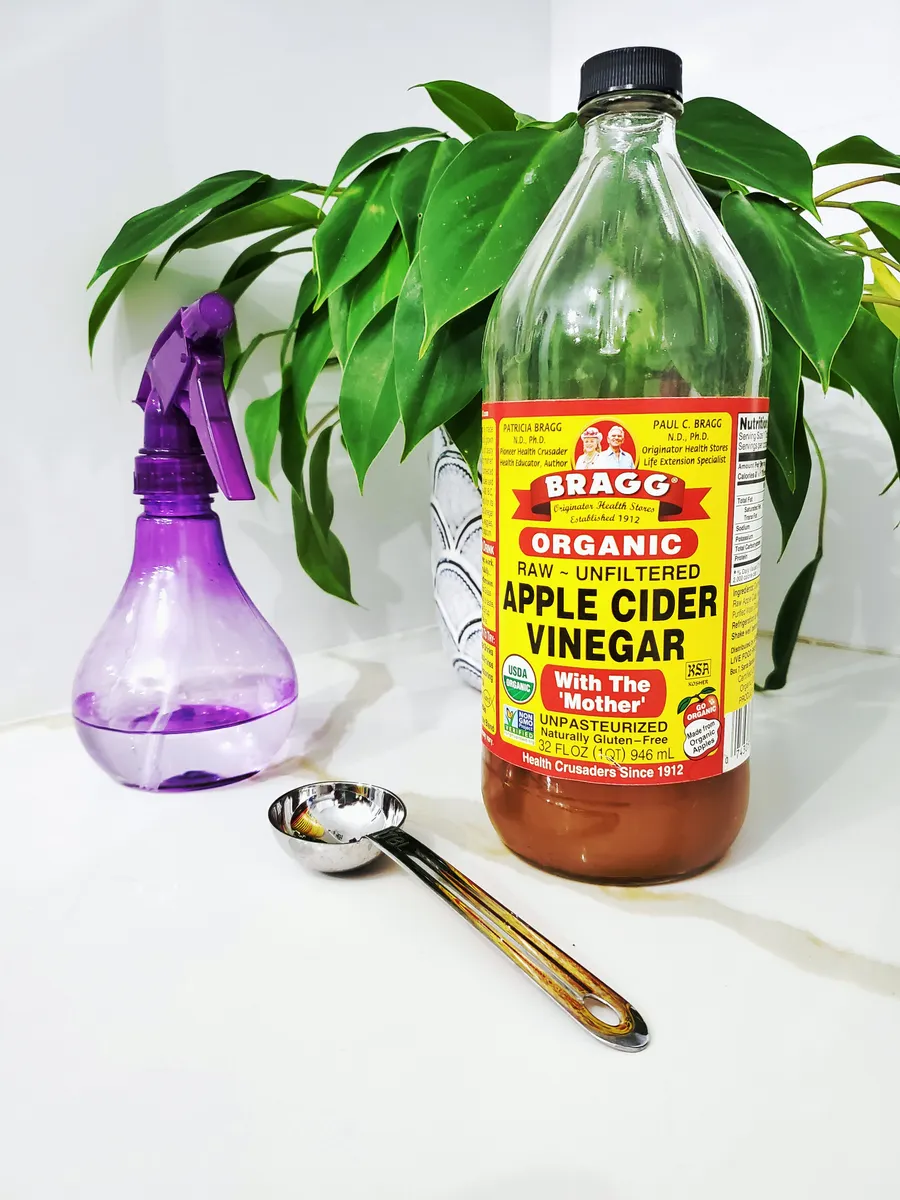
Photo Credit: Rosana Solis
Eco-Friendly Way to Clean Kitchen Floor Mats and Rugs
For households wanting to skip harsher commercial cleaners, a few simple household ingredients handle most kitchen mat cleaning without much trouble. A solution of warm water and mild dish soap covers routine washing for most mat types, while diluted vinegar handles grease and odor without needing a specialized product. Baking soda works as a gentle deodorizer between washes, sprinkled on and vacuumed off after sitting for a short while. Air drying instead of using a dryer also cuts down on energy use and is generally gentler on rubber backing and natural fibers alike. This approach works well for regular upkeep, though a heavily soiled mat with deep, set-in grease may still need a stronger commercial degreaser labeled safe for the mat's specific material.
How Often Should You Clean Kitchen Floor Mats and Rugs?
Shake out or vacuum kitchen mats every few days, since crumbs and dust build up quickly in a high-traffic area like the space in front of a sink or stove. Wash or hand clean the mat every one to two weeks, or sooner if grease splatter or spills are visible. A deeper clean, including a vinegar rinse or baking soda treatment for odor, works well monthly, or as needed whenever a musty smell develops despite regular washing.
Mats on Hardwood Floors: A Special Consideration
Rubber-backed mats placed on hardwood floors need a bit more caution than the same mat sitting on tile or vinyl. Rubber backing can trap moisture against wood over time, and repeated damp contact in one spot is a common way finish damage or discoloration starts to show up on hardwood. Lifting the mat regularly to let the floor air out, and choosing a mat with a breathable or felt backing where possible, helps reduce this risk. The Hardwood Kitchen Floor Cleaning guide covers how to identify early signs of moisture damage on wood floors and the right way to clean around areas where a mat sits most of the day.
How to Clean Kitchen Floor Mats and Rugs Without Damaging Them
Rubber backing and natural fibers are the two things most likely to suffer from the wrong cleaning approach. Sticking to warm water rather than hot, and air drying rather than machine drying on high heat, keeps rubber backing from cracking or warping over repeated washes. For natural fiber mats like jute or sisal, a light vacuum and spot cleaning with a barely damp cloth works better than a full soak, since these materials can weaken or shrink when saturated. Checking the care label before using any product beyond plain soap and water is a reasonable habit, particularly for mats with a specific finish or backing type that reacts differently than expected.

Photo Credit: Viktorya Sergeeva 🫂
Common Mistakes When Cleaning Kitchen Floor Mats and Rugs
A handful of habits tend to shorten how long these mats last.
- Using bleach on colored or patterned mats: this strips dye and causes uneven fading over time
- Drying rubber-backed mats on high heat: heat cracks and warps rubber backing faster than normal wear
- Skipping the care label entirely: different materials genuinely need different cleaning methods, and guessing can shorten a mat's lifespan
- Leaving a mat damp before placing it back down: trapped moisture encourages mold or a musty smell, especially against hardwood
- Mixing vinegar and baking soda directly together: this cancels out much of the cleaning benefit each one offers on its own
Frequently Asked Questions
What is the best way to clean kitchen floor mats and rugs? Vacuum or shake out loose debris, check the care label, then machine wash if safe or hand wash with mild soap if the mat has a rubber or foam backing. Air dry fully before placing it back down.
How often should you clean kitchen floor mats and rugs? Vacuum or shake out every few days, wash every one to two weeks, and do a deeper vinegar or baking soda treatment monthly or as needed for odor.
What cleaning products are safe for kitchen floor mats and rugs? Mild dish soap or detergent for most materials, baking soda for odor, and diluted vinegar for grease. Avoid bleach on colored mats and high heat on rubber backing.
What should you avoid when cleaning kitchen floor mats and rugs? Avoid bleach on colored fabrics, high-heat drying for rubber-backed mats, skipping the care label, and putting a damp mat back down before it's fully dry.
How can you clean kitchen floor mats and rugs without damaging them? Use warm water rather than hot, air dry instead of high heat, and spot clean natural fiber mats rather than fully soaking them.
For more on keeping the rest of your kitchen floor in good shape, see the full kitchen cleaning guide.



Leave a Reply