

Cleaning and disinfecting are not the same thing, even though people often use the words interchangeably. Cleaning removes visible dirt, soap scum, and grime from a surface. Disinfecting goes a step further and reduces the germs on that surface, which matters more in a bathtub or shower than almost anywhere else in the house, since this is a warm, wet environment where bacteria can multiply quickly between cleanings.
This guide covers how to disinfect a bathtub or shower safely, how often it's actually needed, and which products work for disinfecting without damaging different tub and shower materials. This article is Part of Bathtub & Shower Cleaning Guide, which covers tub and shower care more broadly.
How Do You Disinfect a Bathtub or Shower Safely
Disinfecting only works if the surface is clean first. Applying a disinfectant to a tub or shower that still has soap scum or grime on it means the product spends its effort breaking through buildup instead of actually reaching and killing germs on the surface underneath.
- Ventilate the bathroom by turning on the exhaust fan or opening a window before you start, since disinfecting products often have stronger fumes than everyday cleaners.
- Clean the surface first with soap and water or a regular cleaner to remove visible grime, soap film, and debris.
- Rinse the surface and let any standing water drain, since a wet, soapy surface can dilute a disinfectant and reduce how well it works.
- Apply the disinfecting product according to the label, whether that's a spray, wipe, or diluted solution.
- Leave it on the surface for the full contact time listed on the label. This is the single most important step and the one people skip most often. Wiping a disinfectant off too soon means it hasn't had time to actually work.
- Rinse the surface again if the label instructs you to, since some disinfectants need to be rinsed off after their contact time, particularly in areas where skin will touch the surface directly.
- Dry the tub or shower with a towel or squeegee, and leave the fan running for a while afterward to help the space fully air out.
Skipping the contact time step is the most common mistake in home disinfecting. A product that needs to sit for several minutes won't do its job if it's wiped away in a few seconds.
How Often Should You Clean and Disinfect a Bathtub or Shower
|
Task |
Suggested Frequency |
|
Regular cleaning (soap scum, grime) |
Weekly |
|
Disinfecting pass |
Weekly, or as needed |
|
Disinfecting after illness |
Immediately after use by someone who is sick |
|
Deep disinfecting of grout and drain |
Every 2 to 4 weeks |
Regular cleaning and disinfecting don't need to happen every single day for most households. A weekly disinfecting pass, done after the tub or shower has already been cleaned, covers most everyday needs. Households dealing with illness, a compromised immune system among family members, or heavy daily use may want to disinfect more frequently during those specific periods.
For the general cleaning routine that should happen before any disinfecting step, see Bathtub Cleaning, which covers the full process of getting a tub clean before a disinfecting pass.

Photo Credit: Hobby Guidebook Editorial
What Cleaning Products Are Safe for a Bathtub or Shower
Disinfecting products vary quite a bit in strength and in what surfaces they're safe for, so matching the product to the material matters as much as the disinfecting step itself.
Generally safe across most tub and shower materials:
- Household disinfecting wipes or sprays labeled for bathroom use, following the label's contact time
- A diluted bleach solution, effective on white or light-colored fiberglass, acrylic, and sealed tile grout, but not appropriate for colored or natural stone surfaces
- Hydrogen peroxide-based disinfecting sprays, generally gentler than bleach and suitable for a wider range of surfaces, though still worth checking against natural stone
Use with caution, depending on material:
- Bleach on colored acrylic or fiberglass, which can fade over repeated use
- Any acidic disinfectant on natural stone, since acids can etch and dull the surface permanently
Avoid on most surfaces:
- Mixing bleach with ammonia, vinegar, or other acidic cleaners, which can release hazardous fumes
- Using an undiluted disinfectant not labeled for the concentration you're applying, since stronger isn't always safer or more effective
- Abrasive disinfecting powders on fiberglass or acrylic, which can scratch the surface
Manufacturer guidance for your specific tub or shower material should always take priority when it's available, particularly for solid surface, composite, or specialty coated finishes where product tolerance varies between brands.
Best Product for a Bathtub or Shower
There isn't a single best disinfecting product for every situation, since the right choice depends on the surface material and what you're trying to address.
For general weekly disinfecting on standard tile, fiberglass, or acrylic, a household disinfecting wipe or spray labeled for bathroom use is usually the simplest and most reliable option, since these products are formulated with a known contact time and are widely tested for bathroom surfaces.
For grout mold specifically, a diluted bleach solution tends to be more effective than most all-purpose disinfectants, but it should only be applied to the grout itself, never to surrounding colored tile, natural stone, or metal fixtures, and always with good ventilation.
For natural stone tub surrounds or shower walls, a stone-safe disinfectant or hydrogen peroxide-based product is a safer default, since these won't etch the surface the way bleach or vinegar-based products can.
Tools Needed for Disinfecting a Bathtub or Shower
- Gloves to protect skin from disinfecting chemicals during application
- A soft cloth or sponge for applying and wiping disinfectant
- A soft-bristle brush for grout lines and textured grip zones
- A spray bottle for diluted disinfecting solutions
- A squeegee for removing rinse water afterward
- A towel for a final dry pass
Avoid using the same sponge or cloth for disinfecting that you use for general household cleaning elsewhere, since this can spread bacteria between areas rather than containing it to the surface being treated.
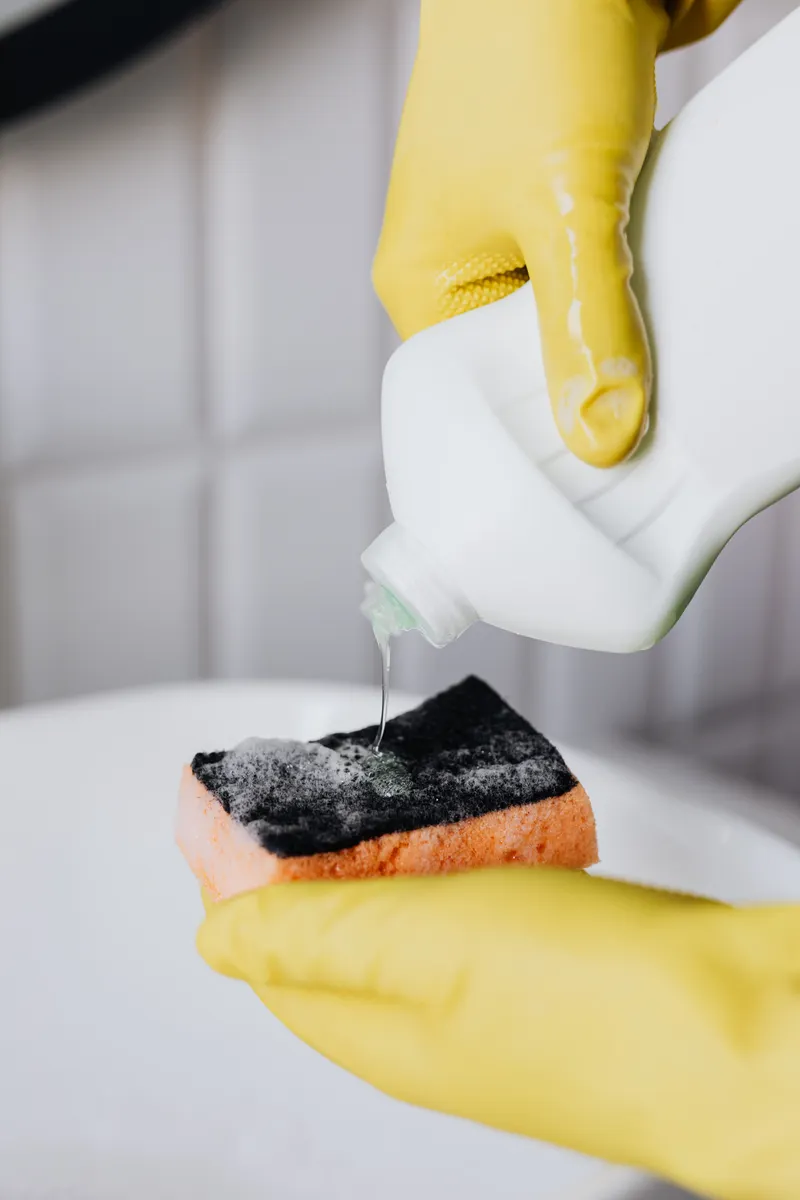
Photo Credit: https://kaboompics.com/
What to Avoid When Disinfecting a Bathtub or Shower
- Skipping the cleaning step before disinfecting. A disinfectant applied over dirt and soap scum can't reach the surface underneath effectively.
- Wiping the product off before the label's contact time has passed. This is the most common reason a disinfecting pass doesn't actually work.
- Mixing bleach with ammonia, vinegar, or other acidic products. This combination can release hazardous fumes and should never be attempted.
- Using bleach on colored acrylic, fiberglass, or natural stone. These surfaces can fade or etch with repeated bleach exposure.
- Disinfecting without ventilation. Fumes from bleach or other strong disinfectants build up quickly in an enclosed bathroom.
Cleaning and Disinfecting a Bathtub or Shower Without Damaging It
Test any new disinfecting product on a small hidden area first, especially if you're not certain how your tub or shower surface will react. Use soft tools for application and any light scrubbing, since abrasive pads can scratch surfaces and create small grooves where bacteria settle in more easily going forward.
Rinse the surface completely after the disinfectant's contact time, particularly for products that require rinsing before skin contact. Leftover residue can sometimes cause skin irritation or, on certain finishes, contribute to discoloration if left to dry repeatedly. Dry the tub or shower fully afterward, since a damp surface undoes some of the benefit of disinfecting by giving bacteria and mildew a moist environment to grow back into more quickly.
If your bathroom includes a separate shower stall, some of the disinfecting considerations differ slightly based on the enclosure's material and ventilation. That process is covered in more detail in Shower Stall Cleaning.
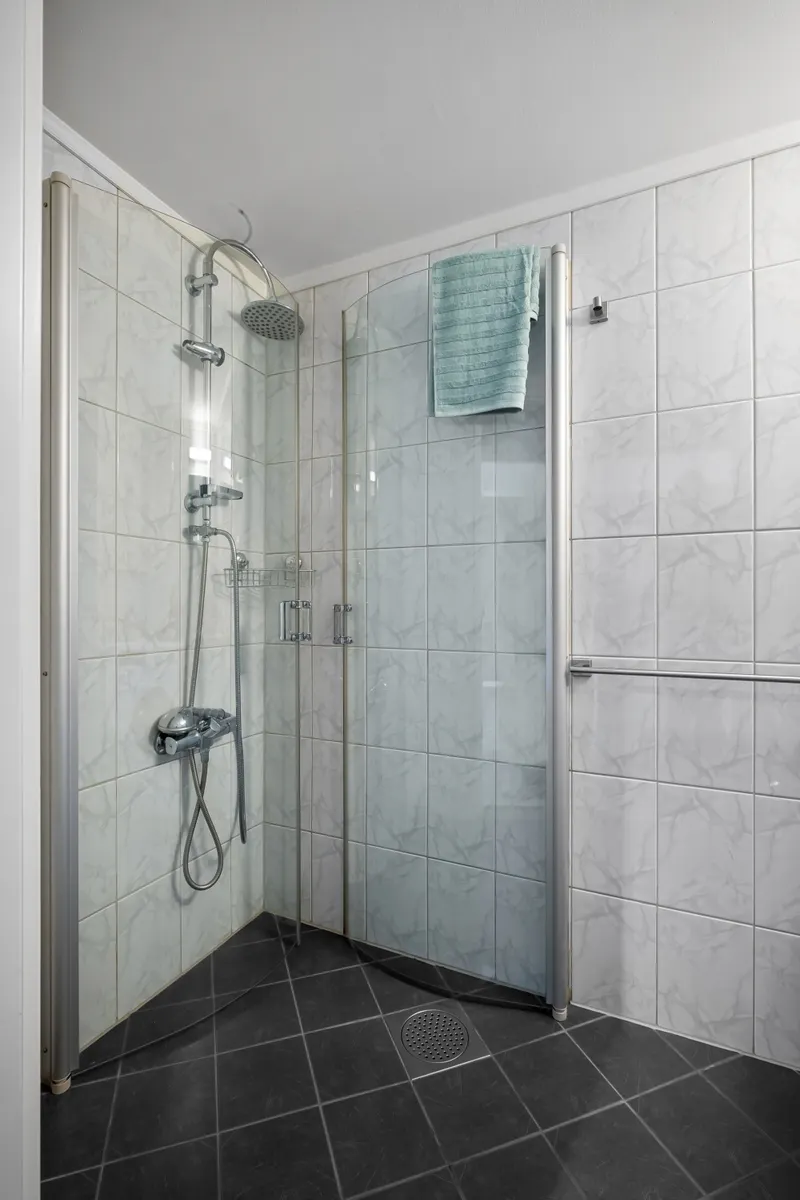
Photo Credit: Lisa Anna
Professional Cost to Clean and Disinfect a Bathtub or Shower
Most bathtub and shower disinfecting is manageable as a DIY task using the products and steps above. Professional cleaning services are sometimes brought in for a deeper disinfecting job, particularly after illness in the household, in rental turnovers, or when mold has become extensive enough to need more thorough treatment. Costs for professional bathroom disinfecting vary by region, the size of the space, and the extent of buildup or mold involved, so getting a quote from a local service provider is the most reliable way to know what a specific job will cost.
Frequently Asked Questions
How do you disinfect a bathtub or shower safely? Clean the surface first to remove grime, apply a disinfectant suited to the material, let it sit for the full contact time listed on the label, rinse if required, and dry the surface completely with good ventilation running throughout.
How often should you clean and disinfect a bathtub or shower? Regular cleaning weekly, with a disinfecting pass on the same schedule or as needed. Disinfect immediately after use by someone who is sick, and deep clean grout and drains every two to four weeks.
What cleaning products are safe for a bathtub or shower? Household disinfecting wipes or sprays labeled for bathroom use are safe across most materials. Diluted bleach works on white fiberglass, acrylic, and grout, but not on colored surfaces or natural stone.
What should you avoid when cleaning a bathtub or shower? Avoid skipping the cleaning step before disinfecting, wiping products off before their contact time, using bleach on colored or stone surfaces, and mixing bleach with ammonia, vinegar, or other acidic cleaners.
How can you clean a bathtub or shower without damaging it? Test new products on a small area first, use soft tools only, rinse thoroughly after the contact time, and dry the surface fully to prevent moisture from undoing the disinfecting work.
View the full bathroom cleaning guide for how disinfecting fits into complete bathroom care.
A Quick Safety Note
Disinfecting a bathtub or shower often involves bleach or other strong chemical products. Always follow the product label for dilution and contact time, and never mix bleach with ammonia, vinegar, or other acidic cleaners, since this can release hazardous fumes. Keep the bathroom ventilated during and after disinfecting, wear gloves when applying stronger products, and if illness-related contamination or mold is extensive, a professional assessment is a reasonable next step rather than relying on repeated home disinfecting alone.



Leave a Reply