

Grease splatter on a tile backsplash is one of the most common kitchen messes. Tiny drops of oil fly off the pan, land on the tile, and cool into a sticky film. If you leave it, the film grabs dust and gets harder to remove. This guide shows you how to clean grease splatter from a tile backsplash safely, using simple products and a gentle method. It is part of our Part of Tile Backsplash Cleaning series.
How to Tell the Backsplash Needs Cleaning
Grease does not always look dirty at first. It often shows up as a dull haze or a slightly yellow tint on the tile. Here are signs it is time to clean:
- The tile looks cloudy, even though it was shiny before.
- The surface feels tacky or slick when you touch it.
- Dust and lint stick to the area behind the stove.
- Water beads in odd patterns or does not spread evenly.
- The grout lines look dark, brown, or yellow.
A quick check helps. Wipe one small spot with a clean, damp white cloth. If the cloth picks up a yellow or brown tint, you have a grease film. Grout is porous, which means it has tiny holes that soak up oil, so grout often looks worse than the tile.
Look at your tile type too. Glazed ceramic and porcelain tile are fairly easy to clean. Natural stone tile, such as marble or travertine, is more sensitive to acids and rough scrubbing. If you are not sure what you have, use the gentlest method and test first.

Photo Credit: Hobby Guidebook Editorial
What You Need
You do not need many supplies. These work for most tile backsplashes:
- Warm water
- Dish soap that is made to cut grease
- Two or three soft microfiber cloths
- A soft-bristle brush or old toothbrush for grout
- Baking soda, for stubborn spots
- A clean, dry towel
The best product for grease splatter on a tile backsplash is usually the simplest one: dish soap in warm water. Dish soap breaks up oil, and it is gentle on most glazed tile. A store-bought degreaser can help on thick buildup, but pick one that is labeled safe for your tile and grout, and follow the label.
If you wonder about the professional cost to clean grease splatter from a tile backsplash, it varies by location, the size of the area, and how heavy the buildup is. Ask a local cleaning service for a quote. Most light to moderate grease can be handled at home.
How to Clean Grease Splatter Step by Step
Always turn off the stove and let it cool before you start. Then follow these steps:
- Clear the area. Move small appliances, oils, and spices away from the wall.
- Wipe off loose dust. Use a dry cloth so you do not smear grit around.
- Mix your cleaner. Add a few drops of dish soap to a bowl of warm water.
- Test a hidden spot. Try the cleaner on a small corner. Rinse, dry, and check the finish.
- Wipe the tile. Dip a cloth, wring it out well, and wipe in small sections. Start at the bottom and move up, so dirty drips do not streak clean tile.
- Treat the grout. Dip the soft brush in the soapy water and scrub the grout lines gently.
- Add baking soda for stubborn spots. Make a paste with baking soda and a little water. Rub it on gently with a damp cloth, then rinse. Skip this on natural stone or delicate glazes.
- Rinse with clean water. Soap left behind can attract new dirt.
- Dry the tile. Buff with a dry towel to avoid water spots and streaks.
Repeat if a film remains. Two gentle rounds work better than one hard scrub. If grease also reached the wall beside the tile, our Painted Kitchen Wall Cleaning guide shows how to treat it without harming the paint.

Photo Credit: https://kaboompics.com/
Which Products Are Safe
Mild dish soap and warm water are safe for most glazed ceramic and porcelain tile. They are also a good first choice if you do not know your tile type.
A degreasing spray can save time on older buildup. Check that the label lists tile as a safe surface, and read any warnings about grout, sealers, or natural stone. Let the product sit only as long as the label says, then rinse well.
Vinegar is a common home choice, but it is an acid. It can dull some grout and can damage natural stone, so avoid it on marble, travertine, and similar tile. If you use it on glazed tile at all, dilute it, test first, and rinse well. Soap handles most grease without it.
Never mix cleaning products. In particular, do not combine bleach with vinegar, ammonia, or other acids, because the fumes can be dangerous.
Mistakes to Avoid
A few habits cause most of the damage:
- Using steel wool or scouring pads. They can scratch glazed tile and leave marks.
- Using strong acids or harsh chemicals. They can wear down grout and stone.
- Soaking the wall. Too much water can seep into grout and behind the tile.
- Skipping the rinse. Leftover soap turns sticky and holds dirt.
- Scrubbing hard on grout. It can wear away or loosen the grout.
- Cleaning a hot stove area. Heat dries the cleaner fast and can burn skin.
- Mixing cleaners. This can create harmful fumes.
If tile is cracked or grout is crumbling, water can get behind it. In that case, it is better to ask a tile or home repair professional than to keep scrubbing.
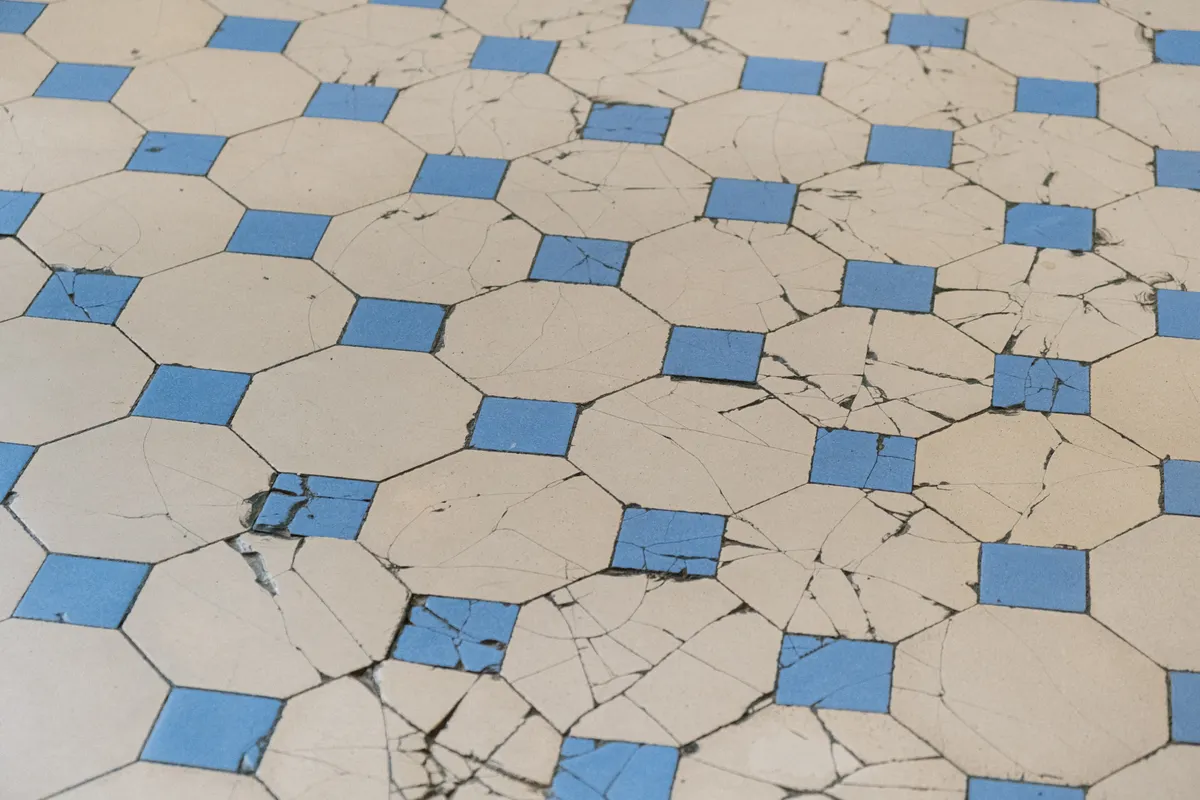
Photo Credit: cottonbro studio
How Often to Clean and How to Prevent Buildup
The wall behind the stove collects grease faster than any other tile. A quick wipe with a damp soapy cloth every week or two keeps the film thin and easy to lift. A deeper clean, including the grout, can happen about once a month, or more often if you fry a lot.
A few habits slow buildup:
- Run the range hood fan while you cook.
- Use a splatter screen over hot pans.
- Wipe fresh splatters once the tile is cool, since new grease is easier to remove.
- Keep the hood filter clean so it can catch more oil.
Grease can drift upward, so do not forget what is above the stove. Our Removing Grease from a Kitchen Ceiling guide explains how to handle it there.
Frequently Asked Questions
What is the best way to clean grease splatter from a tile backsplash?
Wipe the tile with a soft cloth dipped in warm water and a few drops of grease-cutting dish soap. Brush the grout gently with a soft brush. Rinse with clean water and dry with a towel. Test a hidden spot first.
How often should you clean grease splatter from a tile backsplash?
Wipe the area behind the stove every week or two, and do a deeper clean about once a month. Clean sooner if the tile feels sticky or looks hazy.
What cleaning products are safe for grease splatter from a tile backsplash?
Dish soap and warm water are safe for most glazed tile. A degreaser labeled safe for tile and grout can help with older buildup. Follow the label and test first. Use extra care on natural stone.
What should you avoid when cleaning grease splatter from a tile backsplash?
Avoid steel wool, harsh scrubbing, strong acids, and too much water. Do not use vinegar on natural stone. Never mix cleaning products, especially bleach with vinegar or ammonia.
Final Thoughts
Grease splatter on tile is easy to manage when you clean it early and gently. Soap, warm water, soft cloths, and a quick dry are enough for most kitchens. Test first, protect the grout, and keep the range hood working. For more help with every part of your kitchen, View the full kitchen cleaning guide.
Safety note: Follow product labels and your tile maker’s advice. Never mix bleach with vinegar, ammonia, or other acids. Make sure the stove is off and cool, ventilate the room when using any cleaner, and wear gloves if your skin is sensitive.



Leave a Reply