

A little frost in a freezer is normal. Thick ice that crowds your food, jams the drawers, or keeps the door from closing is not. The fix for ice buildup in a freezer is simple: empty the freezer, let the ice melt, clean the inside, dry it, and restart it. The key is to be patient and never chip at the ice with sharp tools.
This guide is part of our Freezer Cleaning & Defrosting series. It covers why ice forms, how to remove it safely, which products to use, and how to keep it from coming back.
Why Ice Builds Up in a Freezer
Ice forms when moisture gets into the freezer and freezes on cold surfaces. Warm, humid air is the usual source. Every time the door opens, a little moist air comes in and turns into frost.
Common causes include:
- A door left open or not fully shut
- A worn or dirty door seal that lets air leak in
- Hot or uncovered food placed in the freezer
- Frequent door opening in a humid kitchen
- Food packed so tightly that it blocks air flow
Know your freezer type. A manual-defrost freezer lets frost build up over time, so it needs defrosting now and then. A frost-free freezer has a built-in system that melts frost on its own. If a frost-free freezer has heavy ice, something is probably wrong, such as a blocked drain or a defrost part that has failed. That is often a job for a technician, and defrosting by hand will only help for a while.
Your owner's manual will tell you which type you have. If a thin layer of frost sits on the walls, you can usually leave it. Once the ice gets thick, or starts to push against shelves and baskets, it is time to act.

Photo Credit: Hobby Guidebook Editorial
How to Remove Ice Buildup from a Freezer Step by Step
What you need: a cooler or insulated bags, towels, a shallow pan, a plastic or wooden spatula, soft cloths, and warm water.
- Plan ahead. Pick a time when you can leave the freezer empty for a few hours. Put ice packs or bags in a cooler.
- Move the food. Place frozen items in the cooler and close the lid. Keep it out of the sun.
- Turn off and unplug the freezer. Do this before you do anything else. If you have a fridge-freezer combo, empty the fridge section first or keep it closed so the food stays cold.
- Lay down towels. Put towels on the floor and inside the freezer, and place a pan under the area that drips. Water will run, so expect a mess.
- Open the door and wait. Let the ice melt on its own. This can take a few hours, and heavy ice can take longer. To speed it up, you can place a bowl of hot (not boiling) water inside and close the door for a short time, or set a fan nearby to move air.
- Remove loose pieces by hand. When chunks loosen, lift them out. If a piece sticks, wait. Use a plastic or wooden spatula only on ice that is already loose.
- Soak up the water. Swap wet towels for dry ones as they fill.
- Clean the inside. Wipe the walls, shelves, and baskets with warm water and a soft cloth. Use the cleaner suggestions in the next section if needed.
- Dry it completely. This matters. Leftover water will freeze again and bring back the ice.
- Restart. Plug it in and let it get cold before you put the food back. Check your manual for how long to wait.
How to Avoid Scratching the Surface
The inside walls of a freezer are often plastic or coated metal, and they scratch easily. Never chip, pry, or scrape ice off with a knife, ice pick, or metal scraper. A scratch can also trap more moisture and make frost grow faster in the same spot.
If you see a stubborn chunk, wait longer or add another bowl of hot water. Waiting is slower, but it protects the surface. Skip a hair dryer unless your manual allows it, and never aim one near standing water.

Photo Credit: Anna Belousova
Safe Cleaning Products: Commercial vs Natural
Once the ice is gone, the inside only needs a light cleaning. You do not need strong products. This table shows the main options.
|
Product |
Best for |
Notes |
|
Warm water and dish soap |
Everyday cleaning of walls and shelves |
Safest first choice; rinse and dry well |
|
Baking soda and warm water |
Light odors and sticky spots |
A spoonful in warm water is enough; wipe, rinse, dry |
|
Diluted white vinegar |
Film and light residue |
Rinse well; check your manual first; do not mix with other cleaners |
|
Commercial freezer-safe cleaner |
Heavy buildup or tough residue |
Use only if the label says it is safe for freezers and food areas; follow the directions |
|
Aerosol de-icer sprays |
Not advised for home freezers |
Many are not made for food areas; skip unless the label says otherwise |
For most freezers, a natural method works as well as a store-bought one, and it leaves fewer fumes in a space where you store food. A commercial product can make sense for stubborn residue, as long as the label approves it for use in a freezer.
Never mix cleaning products. Do not combine bleach with vinegar, ammonia, or other cleaners, because the mix can give off harmful gases. Bleach is not needed for this job. Use one product at a time and rinse between them.
If a smell stays after cleaning, our Removing Refrigerator Odors guide has more ideas.
What to Avoid When Removing Ice Buildup from a Freezer
A few shortcuts can damage the freezer or put you at risk:
- Sharp or metal tools. Knives, ice picks, and screwdrivers can puncture the lining or the cooling lines behind it.
- Heat guns or open flames. They can melt plastic and are a fire risk.
- Boiling water poured on the walls. It can crack plastic and warp parts.
- Leaving it plugged in. Water and electricity do not mix.
- Skipping the drying step. Moisture left behind turns right back into ice.
- Using harsh cleaners. Strong chemicals can leave fumes and residue where food is stored.
- Refilling a warm freezer. Let it cool first.
If any food thawed during the process, check it before you refreeze it. When in doubt, throw it out.
A good rule is to work slowly. Ice melts without any help, and rushing is how most freezer damage happens.
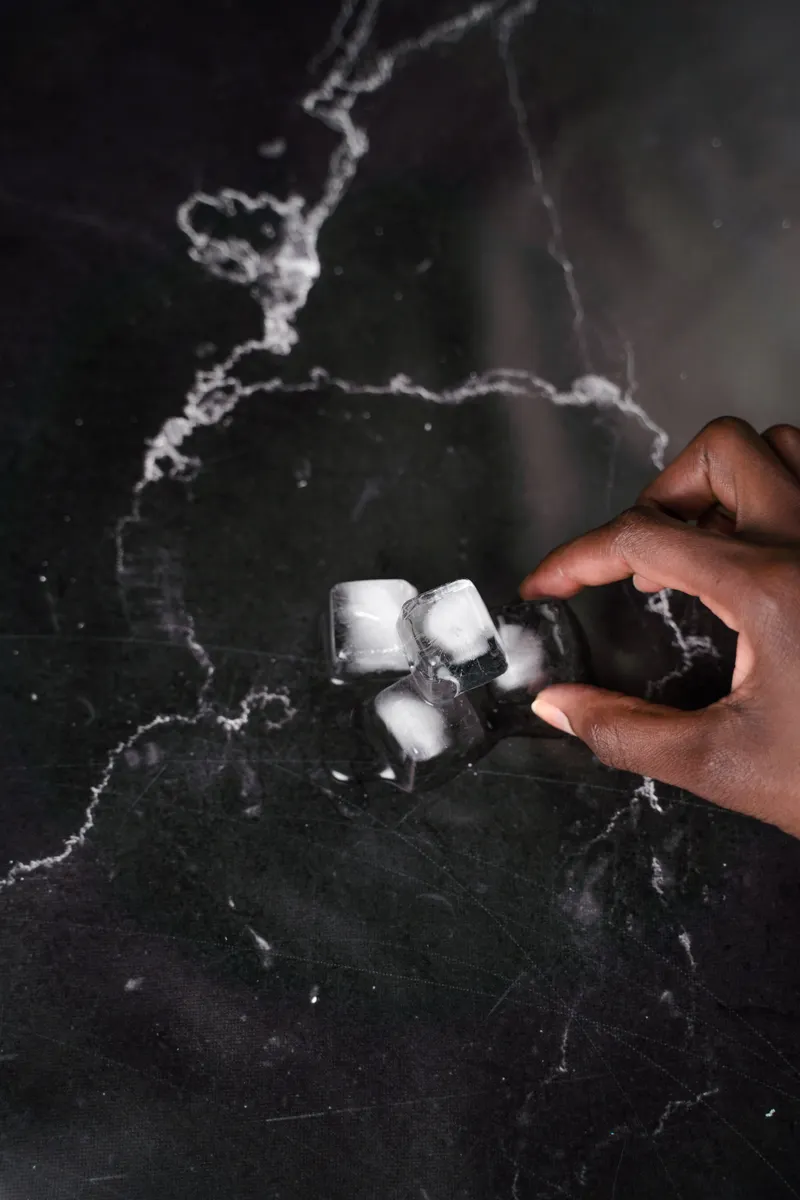
Photo Credit: Ron Lach
How Often to Clean and Prevent Ice Buildup
For a manual-defrost freezer, many manufacturers suggest defrosting when the frost layer gets thick, often around a quarter inch. Your manual has the exact advice. Do a light wipe-down every few months, too.
A frost-free freezer should not need defrosting on a schedule. Give it a regular cleaning a few times a year, and call for help if heavy ice returns.
You can slow ice from forming:
- Close the door fully, and do not leave it open while you look for food.
- Let hot food cool before freezing it.
- Wrap or seal food so moisture does not escape into the air.
- Keep the door seal clean and check that it closes tightly.
- Leave a little space for air to move.
- Set the temperature to the level your manual suggests.
Adding the freezer to your regular routine helps. Our Refrigerator Cleaning Schedule guide shows how to fit it in.
Do You Need a Professional?
For ordinary buildup, no. You can defrost and clean a freezer yourself.
Professional costs vary by location and by the type of repair, so there is no single reliable price. If you hire someone, ask for a quote before work begins.
Call a technician if ice returns quickly after defrosting, if a frost-free freezer keeps icing up, or if the freezer is not cold enough. These can point to a failing part or a blocked drain.
Frequently Asked Questions
How do you remove ice buildup from a freezer?
Unplug the freezer, empty it, and let the ice melt with towels and a pan to catch water. Lift out loose pieces by hand, clean the inside, dry it fully, and restart it.
How often should you clean ice buildup from a freezer?
For a manual-defrost freezer, defrost when the ice gets thick, often around a quarter inch. Frost-free models do not need regular defrosting, but they do need a general cleaning a few times a year.
What cleaning products are safe for ice buildup from a freezer?
Dish soap and warm water are the safest. Baking soda in warm water helps with odors. Diluted white vinegar can work for light residue. Use a commercial cleaner only if the label says it is safe for freezers.
What should you avoid when cleaning ice buildup from a freezer?
Avoid sharp tools, heat guns, boiling water, and harsh cleaners. Never work with the freezer plugged in, and do not mix cleaning products.
A freezer that is free of ice runs better and has more room for food. For the rest of the room, explore the complete kitchen cleaning guide.
Safety note: Unplug the freezer before you start, and follow your manufacturer's instructions and product labels first. Do not use sharp tools or heat sources to remove ice. Never mix cleaning products, especially bleach with vinegar, ammonia, or other cleaners. Open a window if a product has strong fumes. If a freezer keeps icing up or shows signs of an electrical problem, contact a qualified technician.



Leave a Reply