
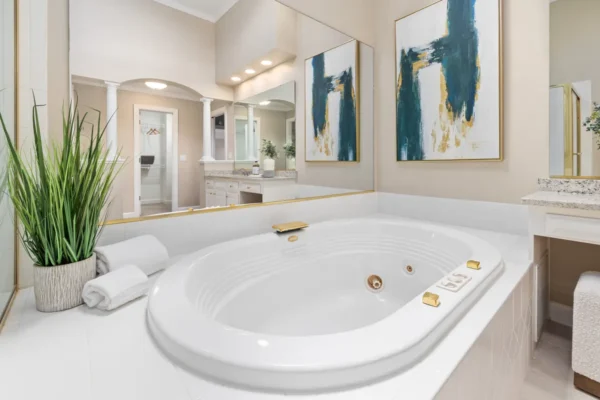
A jetted tub isn't just a bathtub with extra features. It's a bathtub connected to a hidden network of pipes, pumps, and jet fittings that pull water in, push it back out, and sit full of leftover moisture between uses. That internal plumbing is exactly why jetted tub cleaning takes more than wiping down the surface. Soap residue, body oils, and standing water can collect inside the lines, out of sight, where regular scrubbing never reaches.
This guide covers how to clean the visible surface of a jetted or whirlpool tub, how to flush the internal jet system safely, and how often each task needs to happen. This article is Part of Bathtub & Shower Cleaning Guide, which covers care for tubs and showers more broadly across the bathroom.
Why Jetted Tubs Need a Different Cleaning Approach
A standard bathtub only needs attention on the surfaces you can see and touch. A jetted or whirlpool tub adds a closed loop of plumbing behind the jet fittings. Every time the jets run, water moves through this internal system and picks up trace amounts of soap, skin oils, and lotion residue along the way. When the water drains out after a bath, some of that residue stays behind inside the pipes.
Left alone, this buildup can turn into a breeding ground for bacteria and mold inside lines you can't see or scrub directly. This is the main reason jetted tub cleaning involves two separate tasks: cleaning the tub surface you sit in, and flushing the jet system itself. Skipping the second task is one of the most common mistakes owners make, since the tub can look spotless on the outside while buildup continues inside.
The Best Way to Clean a Jetted Tub
Jetted tub cleaning works best as a two-part routine: surface cleaning for the parts you touch, and jet flushing for the parts you can't see.
Cleaning the Tub Surface
- Drain the tub completely and rinse with warm water to clear any loose debris or soap film.
- Choose a cleaner suited to the tub's surface material. Most jetted tubs are acrylic or fiberglass, both of which scratch more easily than porcelain or cast iron.
- Apply the cleaner with a soft sponge or microfiber cloth, working in small sections rather than scrubbing the whole tub at once.
- Let the cleaner sit briefly if the label recommends it, then rinse thoroughly with warm water.
- Dry the surface with a towel, paying attention to the area around jet fittings, where water tends to collect and sit longer than on flat surfaces.
Flushing the Jet System
This step cleans the internal plumbing, not the visible tub surface, and it's the part that's easy to overlook.
- Check your owner's manual first. Jetted tub systems vary by manufacturer, and some have specific cleaning cycles or approved products built into the unit. Manufacturer instructions should always take priority over general guidance here.
- Fill the tub with hot water, enough to cover the jets by a couple of inches, since the jets need to be fully submerged to draw water through the system properly.
- Add a mild cleaning agent such as a small amount of dishwasher detergent (powder or liquid, low-foam formulas work best) or a cleaner specifically labeled for jetted tubs. Avoid regular dish soap or bubble bath, since these foam heavily and can cause the tub to overflow with suds once the jets start running.
- Run the jets for 10 to 15 minutes, or according to your manual's recommended cycle time. This circulates the cleaning solution through the full length of the internal lines.
- Turn off the jets and drain the tub completely.
- Refill the tub with plain, cool water and run the jets again for 5 to 10 minutes to rinse out any leftover cleaning solution or loosened residue.
- Drain again and wipe down the jet fittings with a clean cloth once the tub is empty.
For a closer look at cleaning the individual jet fittings and dealing with buildup around them directly, see Cleaning Jetted Tub Jets.

Photo Credit: Hobby Guidebook Editorial
How Often Should You Clean a Jetted Tub and Whirlpool Tub
|
Task |
Suggested Frequency |
|
Wipe down tub surface |
After each use |
|
Full surface clean |
Weekly |
|
Jet system flush |
Monthly |
|
Deep jet flush (heavier use or infrequent baths) |
Every 2 to 3 months |
Households that use bath oils, bubble bath, or bath bombs regularly may need to flush the jet system more often, since these products tend to leave more residue behind in the lines than plain soap. If the tub sits unused for long stretches between baths, running a flush cycle before the next use is a reasonable precaution, since standing water in the lines gives bacteria more time to build up.
Best Products for Jetted Tub and Whirlpool Tub Cleaning
Product choice differs depending on whether you're cleaning the visible surface or flushing the internal system.
For the tub surface:
- Mild dish soap diluted in warm water, safe for acrylic and fiberglass
- pH-neutral bathroom cleaners labeled safe for acrylic tubs
- A vinegar and water solution for light hard water spots, tested on a small area first
For the jet system:
- Low-foam dishwasher detergent, a common and effective choice for flushing
- Cleaners specifically labeled for jetted tub or whirlpool systems
- Plain water for the rinse cycle after any cleaning solution
Avoid in the jet system:
- Regular dish soap or bubble bath, which foam too heavily for a flush cycle
- Bleach, unless your specific manufacturer's manual confirms it's safe for your model, since bleach can degrade certain rubber seals and fittings over time
- Any product not confirmed safe for your specific tub's plumbing, since jet systems vary between manufacturers
Always check your owner's manual before choosing a jet flush product. Some manufacturers void warranty coverage if certain chemicals are used in the system, and specifications differ enough between brands that general advice can't cover every case.
Common Mistakes When Cleaning a Jetted Tub and Whirlpool Tub
A handful of habits show up repeatedly and tend to cause more trouble than they solve.
- Skipping the jet flush entirely. Surface cleaning alone leaves the internal system untouched, which is where the more serious buildup actually happens.
- Using bubble bath or bath oils regularly without flushing more often. These products leave more residue in the lines than plain water and soap, and skipping extra flush cycles lets that residue accumulate.
- Using abrasive cleaners or scrub pads on acrylic surfaces. This scratches the finish, and scratched acrylic collects soap scum and dirt faster than a smooth surface.
- Running bleach through the jet system without checking the manual. Bleach can break down rubber gaskets and seals in some jetted tub models over time, leading to leaks or reduced jet performance.
- Ignoring standing water around jet fittings after a bath. Moisture that sits here regularly, without drying, gives mold more opportunity to develop right at the surface.
- Assuming all jetted tubs work the same way. Jet systems differ enough between manufacturers that a flush routine that works for one model may not match another's recommended cycle time or product list.

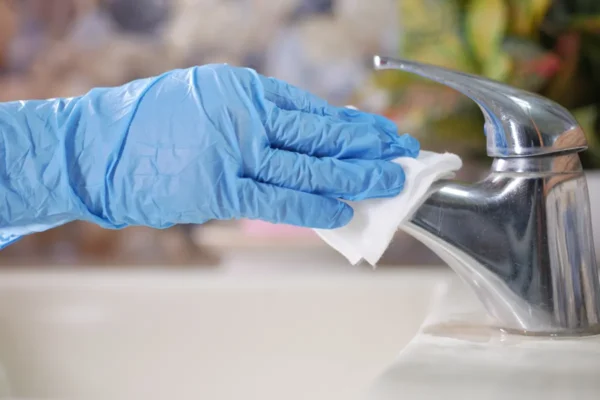
Photo Credit: Alexander Mass
Cleaning a Jetted Tub Without Causing Damage
A few habits help protect both the tub surface and the internal jet system over the long run.
Test any new surface cleaner on a small, hidden area before using it across the whole tub, especially acidic products like vinegar. Acrylic and fiberglass finishes vary between manufacturers, and what works safely on one tub's coating may dull another's. Stick to soft sponges or microfiber cloths for the visible surface, since abrasive pads and scouring powders scratch these materials more easily than porcelain or cast iron.
For the jet system, always follow your manual's recommended flush cycle time and product list when one is provided. Running the jets dry, without water covering them, can damage the pump, so confirm the tub is filled to the manufacturer's recommended level before starting any flush cycle. If you're unsure whether a product is safe for your specific model's internal components, a plain low-foam dishwasher detergent is generally a safer starting point than a specialty cleaner with an unclear ingredient list.
Pay attention to the caulk and seals around the tub's edges and jet fittings. These keep water from getting behind the tub surround or under the tub itself, and repeated harsh scrubbing near them can wear the seal down faster than normal use would. Cracked or peeling caulk usually needs replacement rather than more aggressive cleaning.
Some bathrooms with jetted tubs also include a separate walk-in shower with its own pan. Shower pan surfaces face similar moisture challenges but need their own cleaning approach, since materials and drainage design differ from a tub. That process is covered in Shower Pan Cleaning.

Photo Credit: Max Vakhtbovych
Frequently Asked Questions
What is the best way to clean a jetted tub and whirlpool tub? Clean the visible tub surface with a mild, non-abrasive cleaner suited to acrylic or fiberglass, then separately flush the jet system by running hot water with a low-foam cleaning agent through the jets for 10 to 15 minutes, followed by a plain water rinse cycle.
How often should you clean a jetted tub and whirlpool tub? Wipe down the surface after each use and give it a full clean weekly. Flush the internal jet system monthly for regular users, or every 2 to 3 months if bath oils and bubble bath aren't used often.
What cleaning products are safe for a jetted tub and whirlpool tub? Mild dish soap and pH-neutral cleaners work for the surface. For the jet system, low-foam dishwasher detergent or a cleaner labeled specifically for jetted tubs is generally safe, though your owner's manual should be the final word for your specific model.
What should you avoid when cleaning a jetted tub and whirlpool tub? Avoid abrasive scrub pads on the acrylic surface, bubble bath or regular dish soap in the jet flush (both foam too heavily), and bleach in the jet system unless your manufacturer's manual confirms it's safe.
How can you clean a jetted tub and whirlpool tub without damaging them? Test surface cleaners on a small hidden area first, always fill the tub to the manufacturer's recommended level before running the jets, follow your manual's suggested flush cycle and product list, and avoid harsh scrubbing near caulk and jet fittings.
Return to the complete bathroom cleaning guide for how jetted tub care fits into overall bathroom upkeep.
A Quick Safety Note
Jetted tub cleaning involves running cleaning products through an internal plumbing system, so manufacturer instructions should always take priority over general advice here. Never mix bleach with ammonia, vinegar, or other acidic cleaners, since this can release hazardous fumes, and confirm with your manual before using bleach in the jet system at all. Keep the bathroom ventilated while cleaning, and if you notice a persistent odor, discolored water, or reduced jet performance that doesn't improve after a proper flush cycle, it may be worth contacting the manufacturer or a qualified plumber rather than repeating stronger cleaning attempts.


Leave a Reply