

A kitchen that smells clean doesn't have to rely on aerosol sprays or heavily scented plug-ins. A natural kitchen air freshener uses simple, everyday ingredients like baking soda, citrus, vinegar, and herbs to absorb or neutralize odors instead of just masking them with a stronger scent. This guide is part of the Kitchen Odor Removal Guide, and it covers the most effective natural methods, how often to refresh them, which containers work best, and how to keep everything clean without damaging jars, bowls, or wood surfaces along the way.
What Is the Best Way to Use Natural Kitchen Air Fresheners?
The most reliable approach combines odor absorption with mild scent, rather than relying on one method alone. A simple, effective setup looks like this:
- Baking soda in an open container placed on a shelf or counter, replaced monthly.
- A simmer pot of water with citrus slices, cinnamon, or cloves, warmed on the stove for 20 to 30 minutes when odors are strong.
- A small bowl of white vinegar, left out for a few hours to neutralize sharp smells like fish or onion.
- Dried herbs or citrus peels in a small dish or sachet, refreshed every couple of weeks.
None of these require special equipment, and most use ingredients already sitting in a typical kitchen. The right combination depends on the specific smell and how strong it is, which the sections below walk through in more detail.
Why Natural Methods Work for Kitchen Odors
Kitchen odors usually come from a combination of grease, food residue, and trapped moisture, and natural odor absorbers work by pulling those odor particles out of the air rather than covering them with a stronger fragrance. Baking soda, for example, is mildly alkaline, and it reacts with acidic odor compounds in the air, which is part of why it's effective against sour or greasy smells. Vinegar works in a similar way against certain odors, though its own scent needs a little time to fade afterward. Citrus and herbs release natural oils that add a light, pleasant scent while the space airs out, but they work best alongside cleaning, not as a replacement for it. If greasy residue is sitting on a countertop or stovetop, no amount of natural freshening will fully solve the smell until that surface is actually wiped down.
Best Natural Kitchen Air Freshener Methods
Simmer Pots
A simmer pot is one of the most effective short-term methods for freshening a kitchen quickly. Fill a small pot about two-thirds with water, add a few slices of lemon or orange, a cinnamon stick, or a few whole cloves, and let it simmer gently on low heat for 20 to 30 minutes. Keep an eye on the water level and add more if it starts running low, since the pot should never be allowed to boil dry. This method works especially well after cooking something with a strong smell, since the steam helps carry the lighter citrus or spice scent through the room.
Baking Soda
An open box or small bowl of baking soda placed on a counter or inside a cabinet gradually absorbs odor from the surrounding air. It has no strong scent of its own, which makes it useful for households sensitive to fragrance. Replace it roughly once a month, since it loses effectiveness once it's absorbed as much odor as it can hold.
White Vinegar
A small bowl of white vinegar, left out uncovered for a few hours, can help neutralize strong smells like fried fish or burnt food. The vinegar scent itself is noticeable at first but fades within an hour or two. It's a good option for tackling a specific, strong odor rather than for constant daily use.
Citrus Peels and Dried Herbs
Dried citrus peels, rosemary, or lavender placed in a small dish or fabric sachet add a gentle, natural scent over time. These work well tucked into a cabinet or drawer, though fresh peels should be dried first, since damp peels can develop mold in an enclosed space.
Activated Charcoal
Small bags or containers of activated charcoal absorb odors without adding any scent, similar to baking soda but often longer lasting. These are useful inside cabinets or near the trash area, where a stronger, ongoing odor tends to build up.

Photo Credit: Hobby Guidebook Editorial
Commercial Cleaner vs Natural Method for Kitchen Odors
Both approaches have a place in a kitchen, and the better choice usually depends on how strong the smell is and how quickly it needs to go away. The table below breaks down the main differences.
|
Factor |
Commercial Air Freshener |
Natural Method |
|
Speed |
Fast, immediate scent |
Slower, gradual absorption |
|
Strength of smell handled |
Strong, effective on tough odors |
Better for mild to moderate odors |
|
Ongoing cost |
Recurring purchase |
Low cost, often pantry staples |
|
Fragrance sensitivity |
Can be overwhelming for some |
Milder, adjustable scent |
|
Underlying cause addressed |
No, masks smell only |
Some, especially with cleaning paired in |
Commercial sprays and plug-ins can be useful for a quick fix before guests arrive, but they don't remove the source of an odor, only cover it temporarily. Natural methods take a little longer to notice, but they tend to work with the cleaning itself rather than against it, since most natural odor absorbers don't leave behind a heavy residue or strong chemical scent of their own. For a kitchen with a specific, stubborn smell, like the aftermath of a heavily seasoned meal, pairing a natural method with proper surface cleaning usually gets better long-term results than fragrance alone. If a particularly strong smell, like onion or garlic on hands and cutting boards, is the main issue, a more targeted approach may work better than general air freshening, which is covered in Removing Onion & Garlic Smell from Hands and Kitchen.
How Often Should You Refresh Natural Kitchen Air Fresheners?
Natural odor absorbers don't last forever, and knowing when to refresh them keeps the kitchen smelling consistently better instead of just occasionally. A general schedule looks like this:
- Baking soda containers: replace every 30 days, or sooner if the kitchen sees heavy cooking.
- Charcoal bags: refresh every one to two months, following the specific product's guidance if available.
- Citrus or herb sachets: replace every two to three weeks, since dried scents fade steadily over time.
- Simmer pots: use as needed, particularly after cooking something with a strong smell, rather than on a fixed schedule.
- Vinegar bowls: use occasionally for a specific odor, not as a daily fixture, since the scent itself needs time to clear afterward.
Kitchens that cook frequently, fry food often, or handle strong-smelling ingredients regularly will likely need to refresh these methods more often than a kitchen used mainly for reheating and light meals.
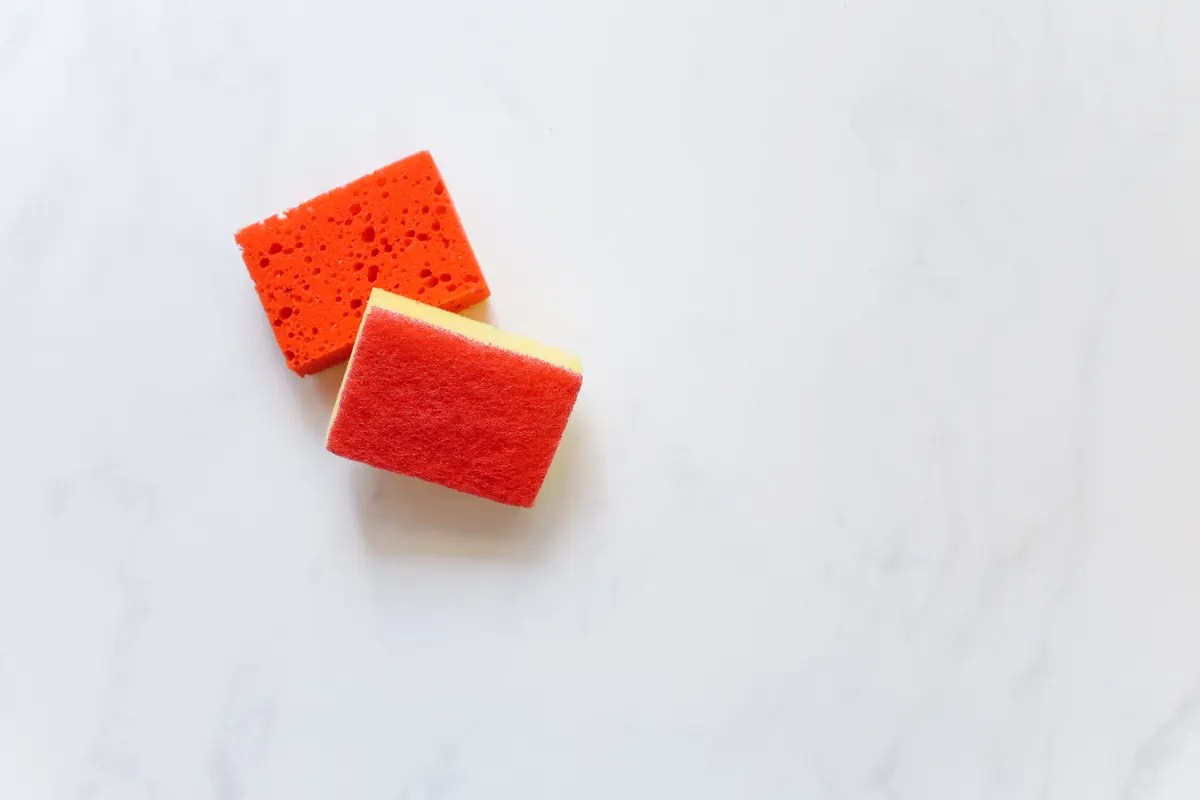
Photo Credit: Polina Tankilevitch
Common Mistakes to Avoid
A few habits can undercut even the best natural odor routine or create new problems along the way:
- Using fresh, undried citrus peels in a closed container. Moisture trapped in an enclosed space encourages mold rather than a pleasant scent.
- Mixing multiple strong scents at once, like a citrus simmer pot next to a lavender sachet, which can create a confusing or overwhelming combination rather than a pleasant one.
- Relying only on scent and skipping the cleaning step. Odor absorbers help with lingering smell in the air, but grease and food residue on surfaces still need to be wiped away directly.
- Leaving a simmer pot unattended for too long. The water can run low and scorch, which creates a burnt smell instead of solving the original problem.
- Overusing essential oils in enclosed spaces, especially in households with pets, since certain oils can be harmful to cats and dogs if concentrations are too strong or exposure is prolonged.
Avoiding these missteps keeps a natural approach effective without introducing a new source of smell or a household safety concern.
What Cleaning Products Are Safe for Natural Air Freshener Containers?
The containers and dishes used to hold baking soda, charcoal, or dried herbs need occasional cleaning too, and the safest choice depends on what they're made of.
|
Container Material |
Safe Cleaning Option |
Avoid |
|
Glass jars or bowls |
Warm water and mild dish soap |
Abrasive scouring pads on decorative glass |
|
Ceramic dishes |
Mild soap and a soft cloth or sponge |
Harsh chemical cleaners on painted or glazed finishes |
|
Wood bowls or trays |
Slightly damp cloth with mild soap, dried immediately |
Soaking in water, which can warp or crack the wood |
|
Metal tins |
Warm soapy water |
Steel wool, which can scratch a coated finish |
A gentle dish soap and warm water combination is usually enough for any of these containers, since the goal is simply removing dust or residue, not disinfecting a heavily soiled item.
Cleaning Natural Air Fresheners Without Scratching the Surface
Whether it's a glass jar that held baking soda or a wooden bowl used for dried citrus, a few habits help avoid scratches or other surface damage during routine cleaning:
- Use a soft cloth or sponge rather than anything abrasive, especially on glass, ceramic, or coated metal.
- Avoid gritty powder cleansers on decorative containers, since these can dull a glossy or painted finish over time.
- Dry wood items promptly with a towel after washing, rather than letting them air dry with standing moisture, which can cause warping or cracking.
- Test a new cleaner on a small, hidden spot first if you're unsure how a container's finish will react, particularly with painted or antique pieces.
- Empty and rinse containers before residue hardens, since dried baking soda or old herb bits are harder to remove without extra scrubbing later.
These small habits keep the containers looking good for years, rather than needing replacement after a few uses.

Photo Credit: Hannah Grapp
When Natural Methods Aren't Enough
Sometimes a lingering kitchen smell is stronger or more stubborn than baking soda or a simmer pot can handle on its own, particularly if the odor is coming from deep grease buildup in a range hood, a musty spot behind an appliance, or a drain issue rather than the air itself. In these cases, natural air fresheners can help maintain a fresher smell once the underlying source is addressed, but they aren't a substitute for actually cleaning the surface or appliance causing the problem. If a stronger, more general cooking smell keeps returning despite regular natural freshening, it's worth revisiting the cleaning routine itself, which is covered in more detail in Removing Cooking Odors from the Kitchen. For odors tied to deeper issues, like extensive grease buildup in ductwork or a persistent smell with no obvious source, a professional cleaning service may be worth considering. Costs for this kind of service vary widely depending on the scope of the job, the region, and the specific appliance or area involved, so it's reasonable to get a quote or estimate directly rather than assuming a fixed price applies to every household.
Bringing Natural Freshening to Other Rooms
The same basic principles used in the kitchen, absorbing odor with baking soda or charcoal, adding a light natural scent with citrus or herbs, apply just as well in other parts of the house. Bathrooms in particular tend to deal with a similar mix of moisture and lingering odor, and many of the same low-cost, natural methods work there too. Natural Bathroom Air Fresheners covers how to adapt these same ideas for that space specifically, since humidity levels and typical odor sources differ somewhat from the kitchen.
Frequently Asked Questions
What is the best way to use natural kitchen air fresheners? Combine an odor absorber like baking soda or charcoal with a lighter natural scent like citrus or herbs, and refresh each one on its own schedule rather than relying on a single method for everything.
How often should you refresh natural kitchen air fresheners? Replace baking soda monthly, charcoal every one to two months, and citrus or herb sachets every two to three weeks, using simmer pots and vinegar bowls as needed rather than on a fixed schedule.
What cleaning products are safe for natural kitchen air freshener containers? Mild dish soap and warm water work for glass, ceramic, and metal containers, while wood items do best with a damp cloth and immediate drying rather than soaking.
What should you avoid when using or cleaning natural kitchen air fresheners? Avoid fresh, undried citrus peels in closed containers, mixing too many strong scents at once, and using abrasive cleaners or scouring pads on decorative containers.
How can you clean natural kitchen air freshener containers without damaging them? Use a soft cloth instead of anything abrasive, dry wood items right away, and test any new cleaning product on a small hidden area first if you're unsure about the finish.
A Quick Note on Safety
Most natural kitchen air freshener methods are low-risk, but a few precautions are worth keeping in mind. Essential oils should be used sparingly and kept away from pets, since certain oils can be harmful to cats and dogs in concentrated amounts. Never leave a simmer pot unattended on the stove, and keep an eye on the water level to avoid scorching. If you use any cleaning product on a container's surface, check that it's suited to the material first, since what's safe on glass or metal isn't always safe on wood or a painted finish.
See the full kitchen cleaning guide for more practical ways to keep every part of the kitchen fresh and well maintained.



Leave a Reply