

Most people clean the bowl regularly but never open the tank lid at all. That's a mistake, since the tank holds standing water that can grow mineral deposits, mold, and even mild slime buildup on its inner walls and moving parts. Toilet tank cleaning also comes with a catch that bowl cleaning doesn't: the tank contains rubber and plastic components, like the flapper and fill valve, that can be damaged by the wrong product.
This guide covers the best way to clean a toilet tank, how often it actually needs attention, and which products are safe to use around its internal parts. This article is Part of Toilet Cleaning Guide, which covers full toilet care from top to bottom.
The Best Way to Clean a Toilet Tank
- Turn off the water supply valve, usually located behind or beside the toilet base, and flush to drain most of the water from the tank.
- Remove the tank lid carefully and set it aside on a towel, since ceramic lids chip easily if set down on a hard surface.
- Inspect the inside of the tank before adding any product, noting any discoloration, mineral buildup, or a pink or black film, which usually indicates mold or mildew rather than mineral deposits alone.
- Add a mild cleaner suited to the tank's components, covered in more detail below, and let it sit for the time recommended on the label.
- Scrub the tank walls with a soft brush or non-abrasive sponge, avoiding hard scrubbing directly on the flapper, fill valve, or overflow tube, since these parts are more delicate than the tank's ceramic walls.
- Turn the water supply back on and let the tank refill completely.
- Flush once or twice to rinse any remaining cleaner out of the tank before checking that the flapper seals properly and the fill valve shuts off at the right water level.
- Wipe the underside of the lid with a damp cloth before setting it back in place, since the lid's interior collects the same buildup as the tank walls.
If the flapper doesn't seal properly after cleaning, or the water level looks off, that's usually a sign the part needs replacing rather than a cleaning issue, and it's worth checking before closing the tank back up.
How to Tell When a Toilet Tank Needs Cleaning
A few signs point to a tank that needs attention:
- A pink, orange, or black film on the tank walls, which usually points to mold, mildew, or bacterial growth rather than simple mineral buildup.
- Visible white or gray crust on the tank walls or around the fill valve, which is typically mineral scale from hard water.
- A musty smell coming from the tank when the lid is removed, even if the bowl itself seems clean.
- A flapper that looks warped, discolored, or coated in buildup, which can affect how well it seals and may point to a tank that hasn't been cleaned or checked in a long time.
If any of these show up, it's a reasonable time to clean the tank rather than waiting for a set schedule, since buildup inside the tank can eventually affect how well the flush mechanism works. A tank that's overdue for cleaning is often a sign the rest of the toilet has been overlooked too, since the seat and lid tend to get wiped down more often than the tank ever does. If it's been a while since either has had real attention, Toilet Seat & Lid Cleaning covers that routine in full.
How Often Should You Clean a Toilet Tank
|
Task |
Suggested Frequency |
|
Visual check of tank interior |
Every 2 to 3 months |
|
Full tank clean |
Every 3 to 6 months |
|
Flapper and fill valve inspection |
With every full tank clean |
|
Mold or mildew treatment |
As needed, when spotted |
Toilet tanks generally need far less frequent cleaning than the bowl, since the water inside isn't exposed to the same daily contact and waste. Households with hard water may need to clean the tank a bit more often, since mineral scale builds up faster on tank walls and around the fill valve under those conditions.

Photo Credit: Hobby Guidebook Editorial
What Cleaning Products Are Safe for a Toilet Tank
Tank cleaning requires more caution than bowl cleaning, since the tank houses rubber and plastic parts that some bowl cleaners aren't designed to touch.
Generally safe for tank interiors:
- White vinegar, diluted with water, for mineral scale on tank walls and around the fill valve
- A mild dish soap and water solution for general grime and light buildup
- A small amount of diluted bleach for mold or mildew, used sparingly and rinsed thoroughly afterward
Use with caution:
- Full-strength bleach, which can degrade rubber components like the flapper over time with repeated exposure
- Commercial toilet bowl cleaners designed specifically for porcelain, which may be too harsh for tank components not built to the same durability standard
Avoid in a toilet tank:
- Mixing bleach with vinegar or ammonia, which can release hazardous fumes in an enclosed space
- Drop-in bleach tablets left continuously in the tank, since prolonged bleach exposure is a common cause of premature flapper and valve deterioration
- Abrasive scouring pads on tank walls, which can scratch the ceramic or plastic lining
Manufacturer guidance for your specific toilet model should take priority when available, particularly for tanks with specialized fill valve assemblies, since some manufacturers have specific cleaning recommendations to protect the warranty on internal components.
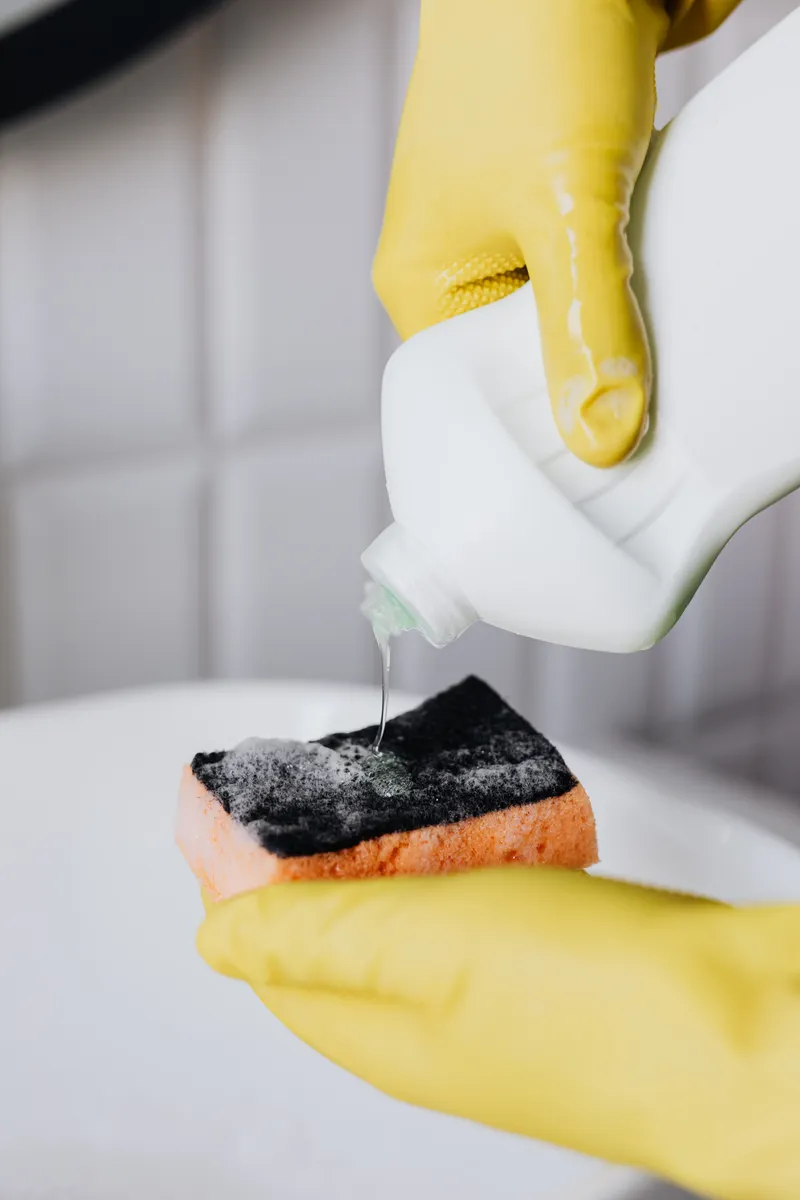
Photo Credit: https://kaboompics.com/
Common Mistakes When Cleaning a Toilet Tank
- Using continuous bleach tablets in the tank. These sit in constant contact with the flapper and can cause it to break down and stop sealing properly much sooner than it should.
- Scrubbing the flapper or fill valve aggressively. These parts are more delicate than the tank's ceramic walls, and hard scrubbing can damage seals or connections.
- Skipping the rinse step after cleaning. Leftover cleaner or bleach residue in the tank can continue affecting rubber parts even after the visible cleaning job looks done.
- Not checking the flapper seal afterward. A tank that's been cleaned but has a flapper that doesn't seal properly can lead to water running constantly or a weak flush.
- Setting the ceramic lid down without a towel underneath. Toilet tank lids chip easily, and a chipped lid often can't be replaced without buying a matching part or a whole new tank assembly.
Cleaning a Toilet Tank Without Damaging It
The biggest risk in tank cleaning isn't the ceramic tank itself, which holds up well to most mild cleaners. It's the internal components, especially the rubber flapper, which can dry out, crack, or lose its seal faster when exposed to strong chemicals repeatedly. Stick to diluted solutions rather than full-strength bleach, and never leave a bleach-based product sitting in the tank longer than a quick cleaning pass requires.
Avoid using the same abrasive tools on the tank that you might use on the bowl. A soft sponge or brush is enough for tank walls, since ceramic tank interiors don't collect the same heavy buildup as a bowl that's exposed to daily use.
If your toilet has a colored or specialty finish inside the tank, test any new cleaner on a small hidden area first, since not all finishes react the same way to vinegar or diluted bleach. When in doubt, mild dish soap and water is the safest starting point for any tank material.
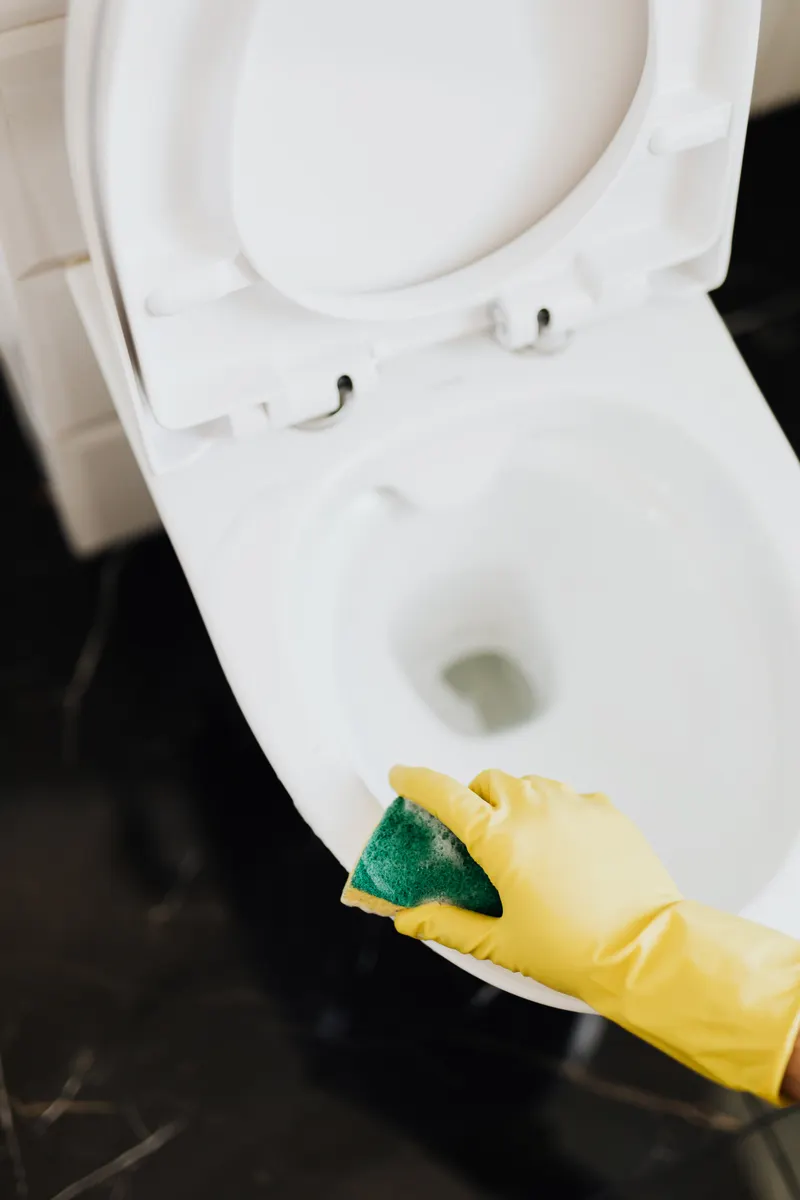
Photo Credit: https://kaboompics.com/
When Tank Buildup Points to a Bigger Issue
Occasionally, tank buildup isn't just cosmetic. A flapper coated in heavy mineral scale or degraded rubber may no longer seal well, leading to a toilet that runs constantly or doesn't flush with enough force. If cleaning the tank doesn't resolve a weak flush or a toilet that keeps running after cleaning, the flapper or fill valve itself may need replacing rather than more cleaning. These are inexpensive, widely available parts, and swapping one out is usually a straightforward fix once buildup has been ruled out as the cause.
Persistent mold or mildew that returns quickly after cleaning can also point to a tank that isn't drying out between flushes as it should, which sometimes relates to condensation from temperature differences between the water inside the tank and the humidity in the bathroom. This is more of an environmental issue than a cleaning one, and it's worth noting if mold keeps coming back within just a few weeks of a thorough clean.
Once the tank itself is handled, it's worth glancing at the base and exterior surfaces too, since grime and hard water residue tend to collect around the tank's connection points and drip down the outside of the bowl over time. That full process is covered separately in Toilet Base & Exterior Cleaning.
Frequently Asked Questions
What is the best way to clean a toilet tank? Turn off the water supply, drain the tank, apply a mild cleaner suited to the tank's components, scrub gently with a soft brush, rinse thoroughly by flushing, and check that the flapper seals properly before closing the lid.
How often should you clean a toilet tank? A visual check every two to three months and a full clean every three to six months works for most households. Hard water homes may need more frequent attention to mineral scale.
What cleaning products are safe for a toilet tank? Diluted white vinegar and mild dish soap are safe for regular use. Diluted bleach can address mold or mildew but should be used sparingly and rinsed out completely, since full-strength bleach can degrade the rubber flapper over time.
What should you avoid when cleaning a toilet tank? Avoid continuous bleach tablets, aggressive scrubbing on the flapper or fill valve, mixing bleach with vinegar or ammonia, and abrasive pads on the tank's interior surfaces.
How can you clean a toilet tank without damaging it? Use diluted, mild cleaners rather than full-strength bleach, avoid scrubbing internal components hard, rinse thoroughly after cleaning, and check that the flapper still seals properly once the tank is refilled.
Check out the full bathroom cleaning guide for how tank care fits into complete toilet and bathroom upkeep.
A Quick Safety Note
Toilet tank cleaning sometimes involves diluted bleach to address mold or mildew. Always follow the product label for dilution, and never mix bleach with vinegar or ammonia, since this can release hazardous fumes in an enclosed space. Keep the bathroom ventilated during cleaning, avoid leaving bleach-based products in continuous contact with rubber components like the flapper, and if a persistent leak, weak flush, or recurring mold points to a bigger mechanical issue, a plumber can help identify whether a part needs replacing.


Leave a Reply