

Kitchen cleaning creates more trash than most people realize. Disposable wipes, single-use spray bottles, and rolls of paper towels add up fast, especially in a room you clean every single day. Zero waste kitchen cleaning is about swapping those disposable habits for tools and products that last, refill, or break down naturally, without giving up a clean, sanitary kitchen.
This guide is part of our broader look at Eco-Friendly & Non-Toxic Kitchen Cleaning, and it focuses specifically on the supplies themselves: what to buy, what to reuse, and what to skip.
What Zero-Waste Kitchen Cleaning Actually Means
Zero-waste kitchen cleaning is not about being perfect. It means choosing supplies and habits that create less garbage over time, especially plastic packaging and single-use products.
In practical terms, this usually includes:
- Reusable cloths and towels instead of paper towels or disposable wipes
- Refillable cleaning products instead of buying a new plastic bottle each time
- Concentrated or simple homemade cleaners that reduce packaging and shipping waste
- Durable tools like brushes and scrubbers that last months or years instead of days
None of this requires special equipment or a big upfront investment. Most kitchens can shift toward zero waste using items already on hand, plus a few smart replacements as old supplies run out.
Building a Plastic-Free Kitchen Cleaning Kit
A solid plastic-free kitchen cleaning supplies setup starts with the basics: what you use to wipe, scrub, and store your cleaners. These are the items you touch every day, so they matter most.
Reusable Cleaning Cloths vs Paper Towels
Paper towels are convenient, but they are also one of the biggest sources of everyday kitchen waste. A single spill can use two or three sheets, and none of it can be reused.
Reusable cleaning cloths solve this in a simple way:
- Cotton or microfiber cloths work for countertops, spills, and general wiping
- Old T-shirts or towels cut into squares cost nothing and work just as well
- Unpaper towels (reusable cloth rolls) mimic the paper towel format but wash and reuse
The main tradeoff is laundry. Reusable cloths need regular washing, ideally with hot water, especially after contact with raw meat or eggs. Keep a small hamper or bin near the kitchen so dirty cloths do not pile up on the counter.
Microfiber cloths in particular hold onto grease well, which makes them useful for stovetops and greasy cabinet fronts. Rinse them out promptly after use, since dried-on grime is harder to wash out later. For tougher countertop stains that a simple wipe-down cannot handle, our guide to DIY Eco-Friendly Kitchen Cleaners walks through safe, low-waste options by surface type.

Photo Credit: Hobby Guidebook Editorial
Refillable Cleaning Products
Refillable cleaning product options are one of the easiest upgrades for a zero waste kitchen. Instead of throwing away a plastic bottle every time a cleaner runs out, you refill the same one.
Common refillable setups include:
- Concentrate pods or tablets that you dissolve in water inside a reusable spray bottle
- Bulk refill stores or stations where you bring a container and fill it with dish soap or all-purpose cleaner
- Large refill pouches that use far less plastic than an equivalent number of small bottles
If you go this route, keep the original spray bottle as long as the trigger still works. A worn-out label is not a reason to throw away a functional bottle. Just relabel it clearly, especially if you switch between different concentrates, so no one accidentally sprays the wrong product on the wrong surface.
DIY vs Store-Bought: Which Fits Your Kitchen
Both homemade and store-bought zero waste options have a place. The right choice depends on how much time you have, what you are cleaning, and how comfortable you are measuring your own solutions.
|
Factor |
DIY Cleaners |
Store-Bought Refill/Concentrate |
|
Cost |
Very low, often pennies per batch |
Moderate, but cheaper than repeat plastic bottles |
|
Time |
Requires mixing each batch |
Ready to dilute or use |
|
Waste |
Minimal packaging |
Low, but depends on refill format |
|
Best for |
Everyday counters, sinks, general grease |
Dishwashing, tougher grease, sanitizing tasks |
|
Limitations |
Not suited for disinfecting or heavy grease |
Still relies on manufacturer packaging |
Neither option is automatically better. A simple vinegar-and-water solution works well for daily counter wiping, but it is not a disinfectant and should not be treated as one on cutting boards after raw meat. For those situations, an EPA-registered disinfecting product, used according to the label, is the more reliable choice.
Making Your Own Zero-Waste Cleaners Safely
Homemade cleaners can cut down on packaging waste significantly, but they need to be made and used correctly. A few reliable, low-risk options for everyday kitchen cleaning include:
- All-purpose counter spray: Mix plain water with a small amount of dish soap in a reusable spray bottle for light daily wiping.
- Vinegar solution: A mix of water and white vinegar can help cut grease and mild buildup on sealed countertops, though it should never be used on natural stone like granite or marble, since the acid can dull or etch the surface over time.
- Baking soda paste: Baking soda mixed with a little water makes a mild abrasive paste, useful for scrubbing stuck-on grime in sinks or on stovetops that can handle light scrubbing.
Always test a new homemade mixture on a small, hidden area first, especially on painted cabinets, stone counters, or any finish you are unsure about. If a surface looks dull, cloudy, or discolored after testing, stop and rinse the area with plain water.
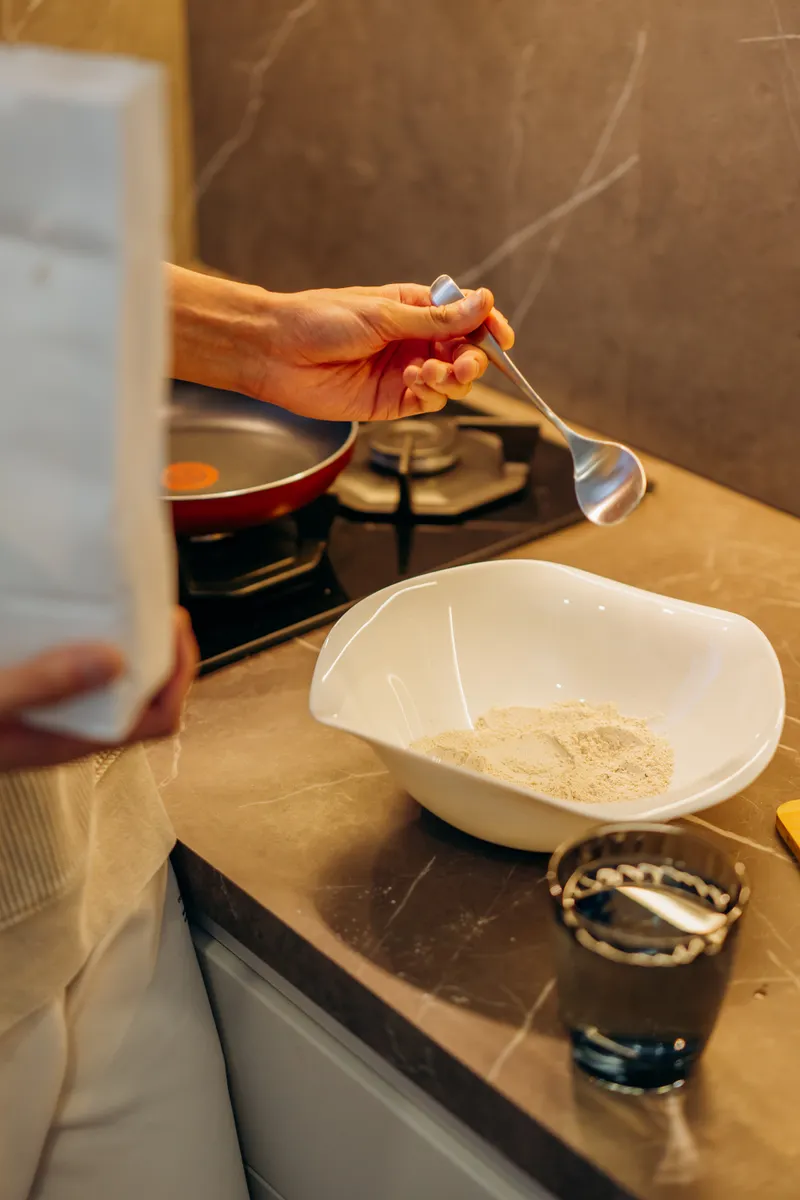
Photo Credit: Mikhail Nilov
What to Check on a Kitchen Cleaning Product Label
Even when shopping for lower-waste products, the label still matters. Before buying or refilling, check for:
- Ingredient list or safety data sheet, especially if anyone in the home has sensitivities
- Intended surfaces, since a product safe for laminate may not be safe for stone or wood
- Dilution instructions, particularly for concentrates, since using too little water can leave residue or damage finishes
- Disinfecting claims, which require registration with a health or environmental authority and specific contact times to actually work
A "natural" or "eco" label on packaging does not guarantee the product is safe for every kitchen surface. Read the actual instructions, not just the marketing language on the front of the bottle.
Are Natural or Homemade Cleaners Automatically Safer?
Not necessarily. Natural and homemade does not always mean gentle or risk-free. Vinegar is natural, but it is still acidic and can damage stone, grout, and some metal finishes. Concentrated essential oils can also irritate skin or trigger allergies in some people, including children and pets.
"Safer" depends on the specific product, concentration, and surface, not just whether it came from a store shelf or a kitchen cupboard. The safest approach is matching the cleaner to the material, checking for known material conflicts, and using the least aggressive method that still gets the job done.
Can a Homemade Cleaner Damage the Kitchen?
Yes, this happens more often than people expect. Common damage includes:
- Etched or dulled stone counters from vinegar or lemon-based mixtures
- Cloudy or scratched finishes from baking soda used too aggressively on softer surfaces
- Warped or discolored wood cabinets from cleaners that are too wet or left sitting too long
Homemade does not mean harmless. Match the ingredient to the surface, use the smallest effective amount, and avoid letting any liquid sit on wood or stone longer than needed to clean.
Common Mistakes to Avoid With Zero-Waste Kitchen Cleaning
A few habits quietly undermine an otherwise good zero-waste routine:
- Mixing cleaning products without knowing if they are compatible. Never combine bleach with vinegar, ammonia, or other acids, since this can create dangerous fumes.
- Overusing vinegar on delicate surfaces, especially granite, marble, and some metals.
- Skipping disinfection when it is actually needed, such as after handling raw poultry.
- Letting reusable cloths sit damp, which encourages odor and bacteria growth.
- Assuming a refill product is automatically diluted correctly, when many concentrates need measuring, not just pouring.
If kids are part of the household, product choice and storage matter even more. Our guide on Non-Toxic Kitchen Cleaning for Families with Kids covers safer storage habits and product picks specifically for homes with young children.
Setting Up a Long-Term Zero-Waste Routine
Once the basic supplies are in place, the routine itself becomes simple. Keep a small stock of reusable cloths in rotation, store homemade solutions in labeled, reusable bottles, and refill store-bought concentrates instead of buying new packaging each time.
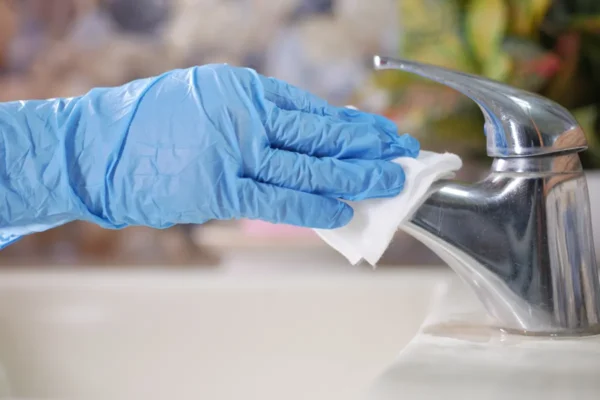
It also helps to keep the system consistent across the home. If your household already has a zero waste setup for the bathroom, similar habits, like refillable bottles and reusable cloths, tend to work well there too. Our guide to Zero-Waste Bathroom Cleaning Supplies covers that side of the house in more detail.

Photo Credit: Ron Lach
Rotate cloths through the laundry regularly, replace worn scrub brushes rather than tossing them at the first sign of wear if they can still be cleaned and used, and keep an eye on expiration dates for any homemade solutions, since some ingredients lose effectiveness or spoil over time.
Safety note: Manufacturer instructions and product labels always take priority over general guidance. Never mix cleaning chemicals unless the combination is explicitly confirmed safe, and never combine bleach with ammonia, vinegar, or other acids. Make sure the kitchen is well ventilated when using any spray cleaner, and store all cleaning products, homemade or store-bought, out of reach of children and pets. If you are unsure whether a product or method is safe for a specific surface or situation, a professional cleaner or the manufacturer's support line can offer guidance suited to your exact situation.
Frequently Asked Questions
Are natural or homemade cleaners automatically safer for the kitchen? No. Natural ingredients like vinegar and essential oils can still damage certain surfaces or irritate skin. Safety depends on the specific product, surface, and amount used, not just the source of the ingredients.
Which lower-impact cleaning methods work well for the kitchen? Reusable cloths, refillable spray bottles, simple diluted dish soap solutions, and vinegar-based sprays on sealed, non-stone surfaces all reduce waste while handling everyday cleaning needs well.
What should you check on a cleaning-product label for the kitchen? Check the ingredient list, recommended surfaces, dilution instructions, and any disinfecting claims. Look for clear guidance rather than relying on general marketing terms like "natural" or "eco."
Can a homemade cleaner damage the kitchen? Yes. Acidic mixtures can etch stone, abrasive pastes can scratch soft finishes, and excess moisture can warp or discolor wood cabinets if not wiped up promptly.
What common mistakes should you avoid with the kitchen? Avoid mixing unknown chemical combinations, overusing vinegar on stone or metal, skipping disinfection when it is genuinely needed, and leaving reusable cloths damp between uses.
For more kitchen-specific cleaning guidance, from countertops to appliances, head back to our complete kitchen cleaning guide.



Leave a Reply