
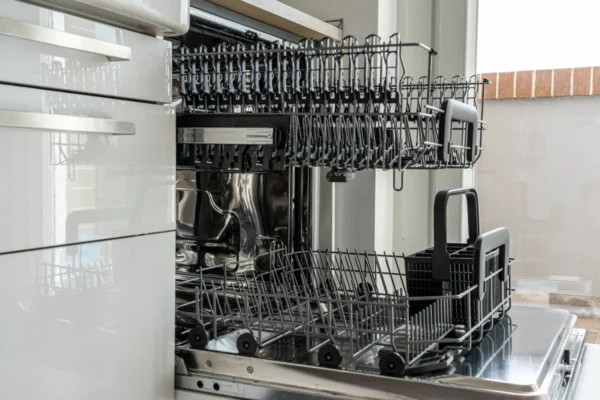
A dishwasher cleans everything else in your kitchen, but it still needs cleaning itself. Food particles, grease, hard water minerals, and soap scum build up inside the tub, filter, and spray arms over time. Once that happens, dishes come out cloudy, the machine smells musty, and it has to work harder to get the same results. This dishwasher cleaning guide walks you through the full process, step by step, using products that are actually safe for the appliance.
If you landed here looking for the bigger picture, head back to the complete kitchen cleaning guide for routines covering every appliance and surface in the kitchen.
How Long Does a Full Dishwasher Clean Take?
A full dishwasher clean usually takes 20 to 35 minutes of hands-on work, plus one extra wash cycle that runs on its own. Here is a rough breakdown:
- Removing and rinsing the filter and racks: 5 to 10 minutes
- Wiping the interior, gasket, and door: 10 to 15 minutes
- Cleaning cycle with vinegar or a dishwasher cleaner: 1 full wash cycle (roughly 1 to 2 hours, unattended)
- Exterior wipe down: 5 minutes
You do not need to babysit the machine during the cleaning cycle, so the total active time stays short even though the whole process takes a couple of hours start to finish.
What You Need Before You Start
You do not need a cart full of specialty products for this job. A short list of basics covers almost everything:
- Mild dish soap and warm water
- Baking soda
- White vinegar (never combined with bleach or bleach-based products)
- A soft-bristle brush or an old toothbrush
- Microfiber cloths or a soft sponge
- Rubber gloves
- A dishwasher-safe cleaning tablet or rinse aid, if you prefer a store-bought option
Avoid abrasive scrubbers, steel wool, and bleach-based cleaners inside the tub. Bleach can damage the stainless steel or rubber gasket in many dishwashers, and it should never be mixed with vinegar or other acidic cleaners, since that combination can release irritating fumes. Stick to the products above unless your owner's manual specifically recommends something else.
Dishwasher Cleaning Step by Step Guide for Beginners
This step-by-step method works for most standard dishwashers, whether they are stainless steel, plastic tub, or built-in models. If your manufacturer's manual gives different instructions for your specific model, follow those first, since materials and finishes vary between brands.
Step 1: Empty the Dishwasher Completely
Remove all dishes, utensils, and any leftover food debris sitting at the bottom of the tub. An empty machine lets you see buildup clearly and reach every corner without dishes getting in the way.
Step 2: Take Out the Racks and Utensil Holder
Slide out the upper and lower racks along with the utensil basket. Set them in the sink or on a towel. Racks often collect rust flecks, food residue, and hard water film, especially near the wheels and edges.
Step 3: Clean the Filter
The filter sits at the bottom of the tub and traps food particles so they do not recirculate onto your dishes. A clogged filter is one of the most common reasons a dishwasher starts smelling bad or leaving dishes gritty. Twist or lift the filter out according to your model, rinse it under warm running water, and use a soft brush to loosen any trapped debris caught in the mesh. Check the manufacturer guidance before removing it, since some filters twist counterclockwise while others simply lift straight out.
For a full breakdown of this part of the process, including how to spot a clogged filter and how often to check it, see our dedicated guide on Dishwasher Filter Cleaning.
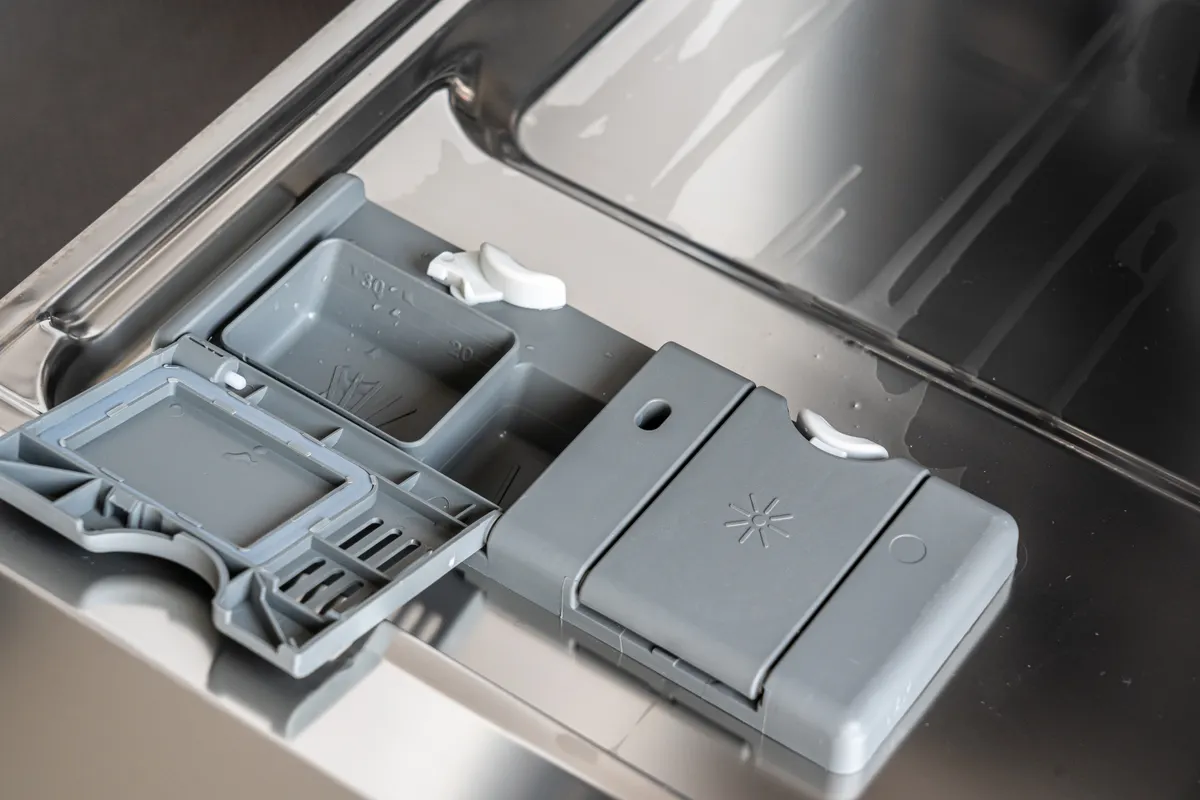
Photo Credit: Castorly Stock
Step 4: Clean the Spray Arms
The spray arms are the rotating bars that shoot water onto your dishes during a cycle. Mineral deposits and food debris can clog the small holes along these arms, which weakens water pressure and leaves dishes only partially clean. Remove the arms if your model allows it, and use a toothpick or thin wire to gently clear any blocked holes. Rinse the arms under warm water afterward to flush out loosened debris.
If you want a more detailed walk-through of this task, including how to safely detach different spray arm styles, our guide on Dishwasher Spray Arm Cleaning covers it in more depth.
Step 5: Wipe Down the Interior Walls and Door
With the racks and filter out, wipe the interior walls, the bottom of the tub, and the inside of the door using a damp cloth and a small amount of dish soap. Pay close attention to the rubber gasket that lines the door, since grime and mold can build up in its folds. A soft brush or old toothbrush works well for getting into that groove without scratching the rubber.
Step 6: Run a Cleaning Cycle
Place a cup of white vinegar in a dishwasher-safe container on the top rack, then run a hot water cycle with no other dishes inside. Vinegar helps break down grease, soap scum, and mild hard water buildup on interior surfaces. Alternatively, a dishwasher cleaning tablet designed for this purpose can be used instead, following the package directions. Do not combine vinegar with bleach or any bleach-containing dishwasher tablet in the same cycle, since mixing the two can create hazardous fumes.
Step 7: Sprinkle Baking Soda for a Final Refresh
After the vinegar cycle finishes, sprinkle a light layer of baking soda across the bottom of the tub and run a short hot water cycle. This step helps absorb lingering odors and leaves the interior smelling fresh without relying on artificial fragrance products.
Step 8: Reassemble the Racks, Filter, and Spray Arms
Once everything is rinsed and dry, put the filter, spray arms, and racks back in their original positions. Make sure the filter locks or twists into place correctly, since a loose filter can rattle during cycles or fail to trap debris properly.
Cleaning the Dishwasher Exterior
The outside of the dishwasher gets touched constantly, so it needs regular attention too. For stainless steel exteriors, use a damp microfiber cloth with a small amount of mild dish soap, then wipe in the direction of the grain to avoid streaking. A dedicated stainless steel cleaner can help maintain shine, but check that it is safe for appliance surfaces before applying it broadly.
For painted or plastic panel exteriors, warm water and dish soap are usually enough. Avoid abrasive pads on any exterior finish, since they can dull or scratch the surface permanently. Wipe the control panel with a barely damp cloth rather than spraying cleaner directly onto the buttons, since moisture can seep behind the panel and affect the electronics over time.
Do not forget the door seal and the small gap between the door and the base of the machine. Crumbs and splashes collect there easily and are simple to miss during a quick wipe down.
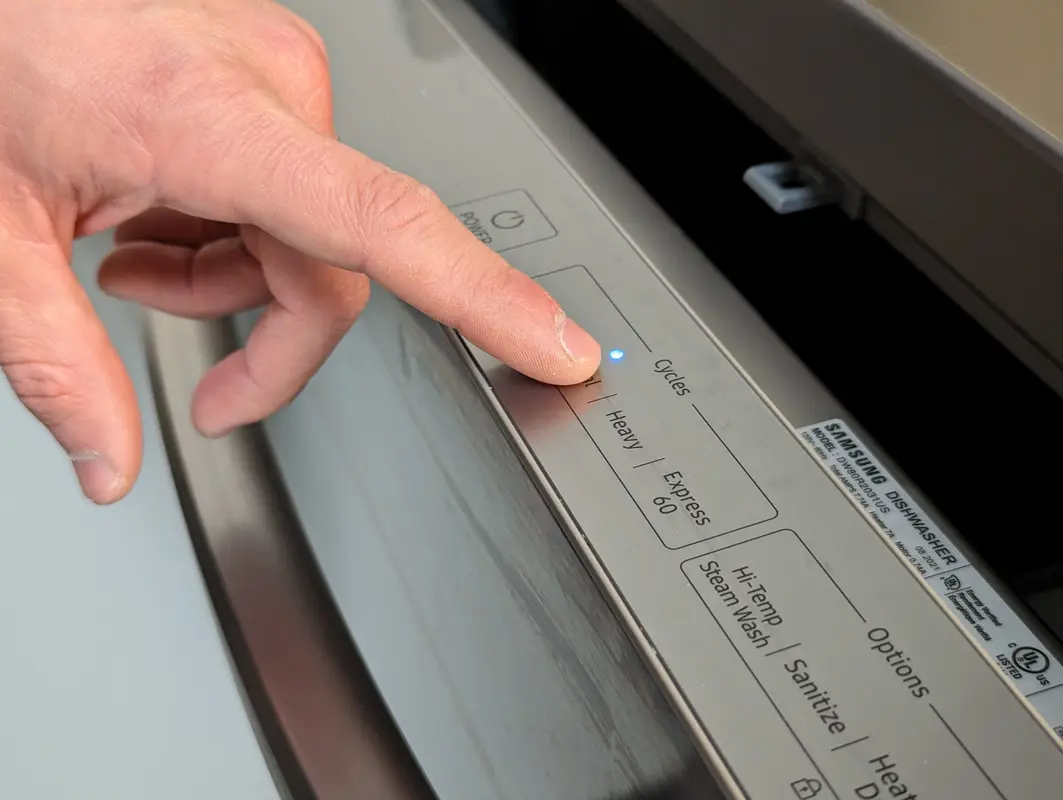
Photo Credit: Internet
How Often Should You Clean Your Dishwasher?
A consistent routine keeps buildup from turning into a bigger problem. Use this table as a general guide, and adjust based on how often you run the machine.
|
Task |
Recommended Frequency |
|
Wipe down door and exterior |
Weekly |
|
Check and rinse the filter |
Every 1 to 2 weeks |
|
Wipe interior walls and gasket |
Every 2 weeks |
|
Clean spray arms |
Monthly |
|
Full deep clean with vinegar cycle |
Monthly |
Households that run the dishwasher daily or wash greasy cookware often may need to check the filter more frequently, since food debris accumulates faster.
Safe Cleaning Products for a Dishwasher
Not every cleaning product is appropriate for the inside of a dishwasher, since the tub, gasket, and racks are made from a mix of materials that react differently to certain chemicals.
Generally safe to use:
- Mild dish soap
- White vinegar (used alone, never with bleach)
- Baking soda
- Dishwasher-specific cleaning tablets or liquids
Best avoided inside the dishwasher:
- Bleach or bleach-based cleaners, which can damage rubber gaskets and stainless steel over time
- Abrasive powders or scouring pads, which can scratch the tub and racks
- Vinegar combined with bleach, since mixing the two can create harmful fumes
- Furniture polish or general household cleaners not labeled dishwasher safe
If you are unsure whether a product is appropriate for your specific dishwasher model, check the owner's manual or manufacturer website, since interior materials vary between brands and some finishes are more sensitive than others.
What to Avoid When Cleaning a Dishwasher
A few habits cause more harm than good, even when the intention is a deeper clean:
- Do not mix bleach with vinegar or other acidic cleaners. This combination can release fumes that irritate the eyes and airways.
- Do not use metal scouring pads inside the tub. They can scratch stainless steel and dull plastic interiors.
- Do not ignore the filter for months at a time. A clogged filter is one of the leading causes of poor cleaning performance and lingering odors.
- Do not run a cleaning cycle with dishes still inside. The vinegar or cleaner is meant to work on the machine itself, not on dishware.
- Do not spray liquid cleaner directly onto the control panel. Apply cleaner to a cloth first to avoid moisture getting behind the buttons.
How to Clean a Dishwasher Without Damaging It
The biggest risk during dishwasher cleaning is using the wrong product on the wrong part. Rubber gaskets, plastic racks, and stainless steel interiors all respond differently to chemicals and abrasion.
To protect your machine:
- Stick to soft cloths, brushes, and non-abrasive tools on every interior surface.
- Keep bleach out of the tub entirely unless your manufacturer specifically states it is safe for your model.
- Test any new cleaning product on a small, hidden area first if you are unsure how it will react with your dishwasher's finish.
- Let the manufacturer's manual guide you when instructions in this article differ from what your specific model recommends, since interior layouts and materials vary between brands.
- Avoid soaking electronic components, including the control panel and any exposed wiring near the door hinge.
A slower, gentler approach almost always protects the appliance better than an aggressive scrub with the wrong product.
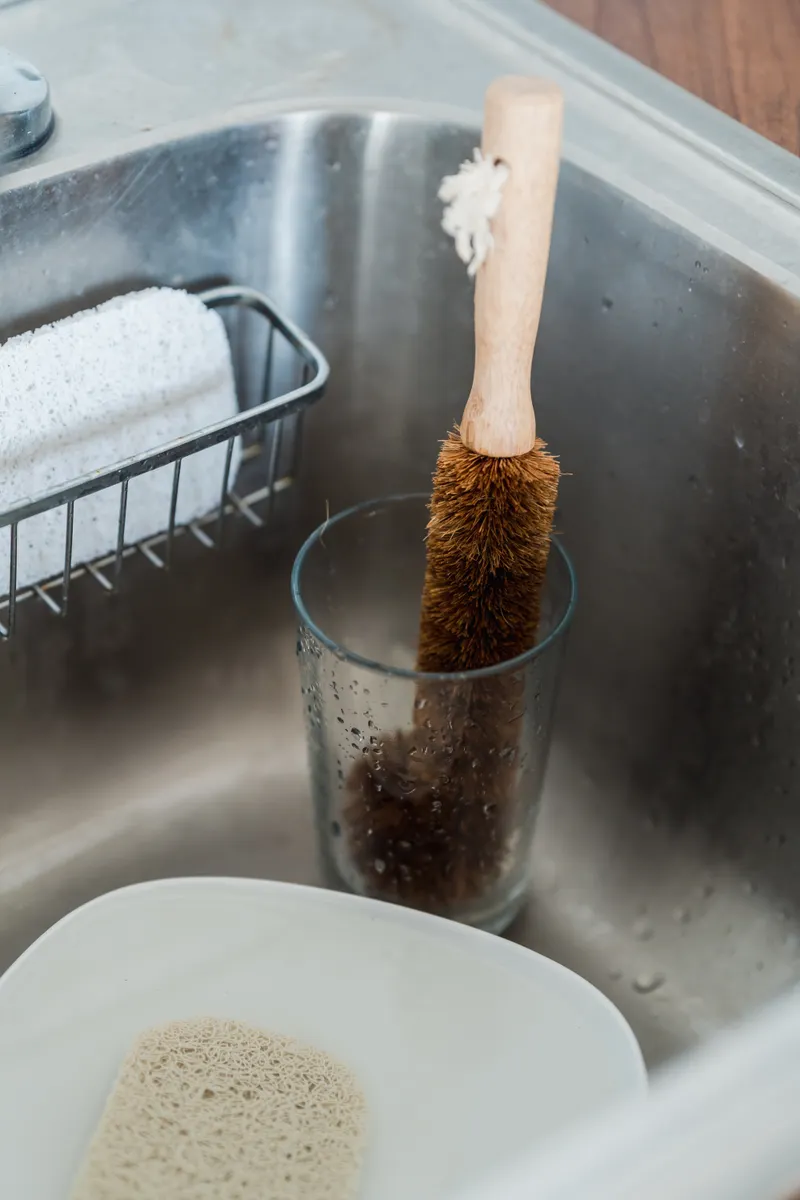
Photo Credit: Greta Hoffman
Frequently Asked Questions
What is the best way to clean a dishwasher? The most effective method combines a physical clean (removing and rinsing the filter, spray arms, and racks) with a chemical clean (running an empty cycle with white vinegar, followed by a short cycle with baking soda). Doing both addresses trapped debris and interior buildup at the same time.
How often should you clean your dishwasher? Wipe the exterior weekly, check the filter every one to two weeks, and run a full deep clean with vinegar about once a month. Households running the dishwasher daily may need to check the filter more often.
What cleaning products are safe for a dishwasher? Mild dish soap, white vinegar used on its own, baking soda, and dishwasher-specific cleaning tablets are generally safe. Avoid bleach-based products and abrasive scouring pads inside the tub.
What should you avoid when cleaning a dishwasher? Avoid mixing bleach with vinegar or other acidic cleaners, using metal scrubbers on the interior, letting the filter go uncleaned for long stretches, and spraying liquid cleaner directly onto the control panel.
How can you clean a dishwasher without damaging it? Use soft tools instead of abrasive pads, avoid bleach unless your manufacturer confirms it is safe for your model, follow the owner's manual for your specific machine, and test unfamiliar products on a small area first.
What common mistakes should you avoid with a dishwasher? The most common mistakes are ignoring the filter, running cleaning cycles with bleach mixed in with other acidic products, using harsh scrubbers on the tub, and skipping the gasket and door seal during regular wipe downs.
Final Thoughts
A clean dishwasher works harder for you, not the other way around. Once the filter, spray arms, and interior are free of buildup, dishes come out cleaner, cycles run more efficiently, and odors disappear. Keeping to a simple weekly and monthly routine is usually enough to prevent bigger problems from developing.
For more kitchen appliance routines, including ovens, refrigerators, and countertops, check out the full kitchen cleaning guide.
A quick safety note: Always check your dishwasher's manufacturer instructions before using a cleaning product you have not used on the machine before, since interior materials and finishes vary between models. Never combine bleach with vinegar or other acidic cleaners, as this can produce hazardous fumes. Work in a ventilated kitchen, and if your dishwasher shows signs of a mechanical issue, such as leaking, unusual smells that persist after cleaning, or electrical problems, contact a qualified appliance technician rather than attempting a repair yourself.





Leave a Reply