
A clean tub and shower do more than look nice. They keep your bathroom safe from mold, soap scum, and hard water stains that build up fast in a space that stays wet most of the day. Because tubs and showers deal with constant moisture, soap residue, and body oils, they need a different cleaning approach than the rest of your bathroom. A method that works fine on a kitchen counter can scratch a tub or strip the finish off a shower door if you use it in the wrong place.
This guide walks you through the full process of tub and shower cleaning, from the tools you need to the exact steps that get results without damaging your surfaces. It also covers how often to clean, which products are safe for which materials, and the mistakes that quietly wear down finishes over time. If you want the bigger picture first, you can go Back to the complete bathroom cleaning guide for a full room-by-room plan.
The Best Way to Clean a Bathtub and Shower
The most reliable method follows a set order, working from top to bottom and dry to wet. Here is the short version:
- Clear the space of bottles, toys, and loose items.
- Wet the surfaces with warm water to loosen buildup.
- Apply a cleaner suited to your tub and shower material.
- Let it sit for a few minutes to break down soap scum and grime.
- Scrub with a non-abrasive brush or sponge, working top to bottom.
- Rinse thoroughly with warm water.
- Dry or squeegee surfaces to reduce water spots and future buildup.
This order matters. Cleaning top to bottom means dirty runoff lands on areas you have not cleaned yet, so you are not redoing work you already finished. Letting cleaner sit before scrubbing also means less scrubbing overall, which protects the surface from scratches and saves you time and effort.
It helps to think of the process in two stages: loosening and lifting. Warm water and cleaner do the work of loosening buildup so your scrubbing effort goes toward lifting it away, not breaking through it with force. Skipping the wait time is one of the most common reasons people end up scrubbing harder than necessary and, over time, dulling the surface finish.
How Often You Should Clean Your Tub and Shower
Bathrooms are humid by nature, and that moisture speeds up mold growth and mineral buildup. A general schedule looks like this:
- After each use: A quick squeegee or wipe-down takes seconds and prevents water spots and soap film from setting.
- Weekly: A full scrub of the tub, shower walls, and floor removes soap scum before it hardens.
- Monthly: Deep clean grout lines, drains, and shower tracks where grime tends to collect out of sight.
Several factors can push this schedule tighter. Homes with hard water build mineral deposits faster, so weekly cleaning may need to become twice weekly on glass doors and fixtures. Bathrooms with poor ventilation or no exhaust fan hold moisture longer, which gives mold more time to take hold in grout and corners. Larger households that shower more often also generate more soap scum and body oil residue, simply because the surfaces get more use.
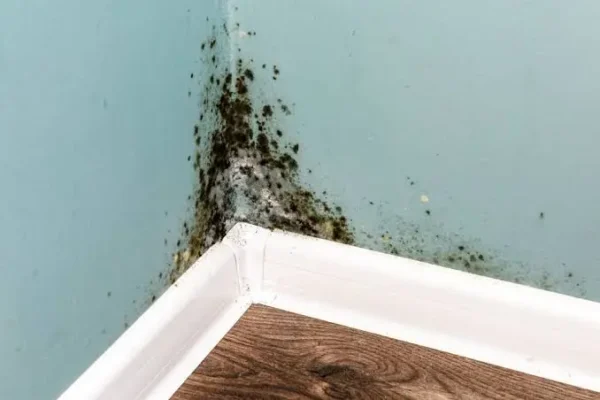
If you notice a musty smell, dark spots forming in the corners, or a slick film on the tub floor between cleanings, that is a sign your current schedule is not keeping up with how your bathroom is actually used.

Photo Credit: Liliana Drew
What Products Are Safe for Bathtub and Shower Cleaning
Not every surface reacts the same way to every product. Before you grab whatever is under the sink, it helps to know what you are working with, since the wrong combination of surface and cleaner can cause damage that is difficult or impossible to reverse.
|
Surface |
Safe Options |
Avoid |
|
Acrylic or fiberglass tub |
Mild dish soap, baking soda paste, non-abrasive cleaners |
Abrasive powders, steel wool, harsh solvents |
|
Porcelain or cast iron |
Mild all-purpose cleaner, baking soda paste |
Acidic cleaners on worn finishes, abrasive pads |
|
Ceramic tile and grout |
Mild detergent, diluted vinegar on tile (not natural stone), grout-safe cleaner |
Bleach on colored grout, vinegar on natural stone |
|
Glass shower doors |
Glass cleaner, vinegar and water solution |
Ammonia-based cleaners on tinted glass |
|
Natural stone (marble, granite) |
pH-neutral stone cleaner only |
Vinegar, lemon juice, or any acidic product |
Important: Vinegar and other acidic cleaners can etch natural stone permanently. If your shower has marble, granite, or another natural stone surface, stick to a cleaner labeled safe for stone. When in doubt about a material, test any new cleaner on a small, hidden spot first and wait a few minutes to check for discoloration or damage before treating the whole surface.
For mold and mildew on caulk or grout, a diluted bleach solution is sometimes used, but bleach should never be mixed with ammonia, vinegar, or other acidic cleaners. That combination can create dangerous fumes. Always ventilate the room well when using bleach, and check the product label for the correct dilution and contact time, since concentrations vary between brands.
Tools That Make the Job Easier
You do not need a large collection of supplies to clean a tub and shower well. A short list of the right tools covers most situations:
- A soft-bristle brush or scrub sponge for regular cleaning on most surfaces.
- An old toothbrush for grout lines, corners, and around fixtures where a full-size brush cannot reach.
- A squeegee for glass doors and tile walls, used after every shower to prevent water spots.
- Microfiber cloths for wiping down and drying surfaces without leaving lint or scratches.
- Rubber gloves to protect your skin when using stronger cleaners.
Abrasive tools like steel wool, metal scrapers, or scouring pads should stay out of the regular rotation. They may remove buildup faster in the moment, but they also create tiny scratches that trap dirt and soap residue, making the next cleaning session harder.
Step-by-Step: Cleaning Your Bathtub
Tubs collect soap scum, body oils, and sometimes rust stains around the drain or faucet. The right method depends partly on what your tub is made of, so identifying the material before you start saves you from using a cleaner that could dull or damage the finish.
- Clear and rinse. Remove bottles and mats, then rinse the tub with warm water to loosen surface grime.
- Apply cleaner. For acrylic or fiberglass, use a mild dish soap solution or a baking soda paste made from baking soda and a small amount of water. For porcelain or cast iron, a mild all-purpose cleaner works well.
- Let it sit. Give the cleaner 5 to 10 minutes to break down soap scum, especially around the corners and drain where buildup tends to be thickest.
- Scrub gently. Use a soft brush or non-abrasive sponge. Focus on the waterline and corners, since these areas collect the most soap scum and body oil residue.
- Rinse well. Warm water removes leftover product and loosened residue so nothing dries into a film on the surface.
- Dry the surface. A quick towel dry or squeegee pass reduces water spots and slows future mineral buildup.
Rust stains around the drain or faucet base are usually a sign of mineral deposits from hard water rather than actual rust on the tub itself, though older metal fixtures can contribute true rust over time. These stains often respond to a paste of baking soda left to sit longer than the rest of the tub, but persistent staining may need a product specifically designed for hard water and rust removal. For a closer look at handling specific tub materials, stains, and stubborn soap scum, see the full Bathtub Cleaning guide.
Step-by-Step: Cleaning Your Shower
Showers face more constant water exposure than tubs, which means more soap scum, hard water spots, and a higher risk of mold in grout lines and corners where water lingers after every use.
- Wet the walls and floor with warm water before applying any cleaner.
- Apply a shower-safe cleaner to walls, the floor, and any glass doors or curtains. Match the product to your surface, following the same material guidance used for the tub.
- Let the cleaner sit for several minutes, particularly on grout lines where mildew tends to collect and take hold.
- Scrub systematically, starting at the top of the walls and working down toward the floor and drain.
- Pay attention to the shower door track, corners, and grout, since these areas hold moisture longest and mold the fastest.
- Rinse from top to bottom so cleaner and residue wash toward the drain instead of settling on clean surfaces you already scrubbed.
- Squeegee glass and tile walls after every shower if possible. This single habit does more to prevent water spots and soap film than any weekly deep clean.
Shower curtains and liners need separate attention from tile or glass. Fabric curtains can often go through a gentle wash cycle, while plastic liners usually respond well to a wipe-down with the same mild cleaner used on the tile. If mildew has already set into a plastic liner, replacing it is often more practical than trying to fully restore it.
If your shower is a standalone stall rather than a tub combo, the cleaning order and problem areas shift slightly, especially around the base and door seals, which trap water differently than a tub's flat floor. The Shower Stall Cleaning guide covers those differences in more detail.

Photo Credit: Charlotte May
What to Avoid When Cleaning Tub and Shower Surfaces
A few common habits cause more harm than good, even when the intention is a deeper clean.
- Avoid abrasive scrubbers like steel wool or scouring powders on acrylic, fiberglass, or fiberglass-coated surfaces. They dull the finish and create tiny scratches that trap dirt faster next time, turning one cleaning mistake into a recurring problem.
- Avoid mixing bleach with ammonia, vinegar, or other acidic cleaners. This combination releases fumes that are harmful to breathe, even in a well-ventilated bathroom.
- Avoid leaving cleaner on too long, especially acidic products on grout or metal fixtures. Extended contact time can wear down grout or cause pitting on some metal finishes over repeated use.
- Avoid using vinegar on natural stone. Even diluted, the acid can dull or etch marble and granite permanently, and the damage is not something you can clean away afterward.
- Avoid skipping the rinse step. Cleaner residue left behind can attract dirt and grime faster than a surface that was never cleaned at all.
How to Clean Without Damaging Your Tub or Shower
Damage usually comes from using the wrong product or tool for the material, not from cleaning too often. A few habits help protect your surfaces long term:
- Match your cleaner to the surface material, not just to what worked in another room of the house.
- Use non-abrasive tools as your default, and reserve stronger scrubbing for isolated stains rather than the whole surface.
- Test new products on a small, hidden area before applying them everywhere, especially if you are trying a cleaner for the first time.
- Rinse thoroughly after every cleaning session so no product residue sits on the surface between cleanings.
- Dry or squeegee after cleaning to prevent water spots from becoming permanent mineral deposits over time.
Following manufacturer instructions on any cleaning product label takes priority over general advice, since formulas and safe usage vary between brands.
Common Mistakes to Avoid
Even careful homeowners fall into a few repeat mistakes:
- Cleaning only when visible buildup appears. By the time soap scum or mildew is obvious, it has already had time to set into grout and seals, making it harder to remove.
- Using the same cleaner everywhere. A product safe for tile can still damage stone or dull acrylic, so consistency across surfaces is not always the safer choice.
- Scrubbing too hard instead of letting the cleaner work. Extra sitting time reduces the amount of scrubbing needed and protects the surface from wear.
- Ignoring the shower door track and drain area. These spots hold standing water and are common places for mold to start, even when the visible tile looks clean.
- Forgetting ventilation. Running a fan or opening a window during and after cleaning helps both the cleaning products work safely and the bathroom dry faster afterward.

Photo Credit: cottonbro studio
How Long a Full Tub and Shower Clean Takes
A routine weekly clean of a standard tub and shower combo typically takes 15 to 25 minutes once you include letting the cleaner sit. A full deep clean, including grout lines, tracks, and any mineral buildup around fixtures, can run 30 to 45 minutes. Homes with hard water or heavy mildew may need extra time for soaking and repeat treatment on stubborn spots, and a shower stall with a lot of glass may take slightly longer simply because glass shows streaks and spots more visibly than tile.
Preventing Buildup Between Cleanings
The easiest way to reduce cleaning time is to slow down how fast buildup forms in the first place.
- Run the bathroom fan or open a window during and after every shower to cut down on trapped moisture.
- Squeegee glass doors and tile walls after each use, which takes less than a minute but prevents most water spot buildup.
- Rinse the tub and shower floor briefly after use to wash away loose soap and hair before it dries into a film.
- Keep a lightweight daily spray on hand for glass doors if your household showers often, since a quick spray after use can replace a longer scrub later.
These small habits add up. A shower squeegeed daily needs far less scrubbing during the weekly clean, and a bathroom fan run consistently cuts down significantly on the mildew that forms in corners and grout over time.
Frequently Asked Questions
What is the best way to clean bathtub and shower? Clear the space, wet the surfaces, apply a cleaner matched to the material, let it sit a few minutes, scrub gently from top to bottom, rinse well, and dry or squeegee to finish.
How often should you clean bathtub and shower? A quick wipe or squeegee after each use, a full scrub weekly, and a deeper clean of grout, tracks, and drains monthly. Hard water or heavy household use may call for more frequent cleaning.
What cleaning products are safe for bathtub and shower? It depends on the surface. Mild dish soap or baking soda paste works for acrylic and porcelain, tile tolerates diluted vinegar, but natural stone needs a pH-neutral cleaner and should never be cleaned with vinegar or other acidic products.
What should you avoid when cleaning bathtub and shower? Avoid abrasive scrubbers on acrylic or fiberglass, avoid mixing bleach with ammonia or acidic cleaners, and avoid leaving strong cleaners on surfaces longer than the label recommends.
How can you clean bathtub and shower without damaging them? Match the cleaner to the material, use non-abrasive tools, test new products in a hidden spot first, and rinse and dry thoroughly after every clean.
What common mistakes should you avoid with bathtub and shower? Waiting until buildup is visible, using one cleaner on every surface, scrubbing instead of letting cleaner work, ignoring the door track and drain, and cleaning without ventilation.
For the full room-by-room approach to every bathroom surface, Read the full bathroom cleaning guide.
A Quick Note on Safety
Some products discussed here, including bleach-based cleaners and acidic solutions, need careful handling. Always follow the instructions and dilution guidance on the product label, since formulas vary between manufacturers. Never mix bleach with ammonia, vinegar, or other acidic cleaners, as this can release harmful fumes. Keep the bathroom ventilated with a fan or open window while cleaning, and wear gloves if you have sensitive skin or are using a stronger product. If you are dealing with widespread or persistent mold that does not respond to regular cleaning, it may be a sign of a larger moisture problem that a professional should evaluate.



Leave a Reply